Archive
Just returned from Hollywood to visit Alexander Payne finish “Nebraska”; Watch for my coming stories about what I observed
Just returned from three days in Hollywood with Alexander Payne to observe the final mix process on his highly anticipated new film “Nebraska.” It was quite the experience to see him and his team putting the finishing touches on the film. Those behind-the-scenes glimpses will inform coming stories I’ll be writing and posting here.
I was privileged to see the film in its entirety at a screening on the Paramount lot. It’s a superb work of cinema. With “Nebraska” Payne has gone ever deeper and richer in exploring the humanism that is his specialty.
The entirely digital film is being satellite beamed to Nice, France this weekend where it will be downloaded for its world premiere screening at the Cannes Film Festival. I fully expect this to be one of the most talked about films of the year and to have all sorts of accolades and nominations and awards come to Payne, screenwriter Bob Nelson, cinematographer Phedon Papamichael, music composer Mark Orton, actors Bruce Dern, Will Forte, Stacy Keach and June Squibb.
It’s hard to imagine there will be a more compelling looking film than this wide-screen black-and-white elegy. Much more to come from me about my Hollywood sojourn and the look behind the curtain that Payne afforded me of his creative process. I will be blogging about it and having stories published about it. All of my “Nebraska” material will end up in a new edition of my book, “Alexander Payne: His Journey in Film.” The new edition should be out around the time his film is released, which is late November. You can order my book on my blog site, leoadambiga.wordpress.com.
http://www.youtube.com/watch?v=gZ6Wgg4BGuo


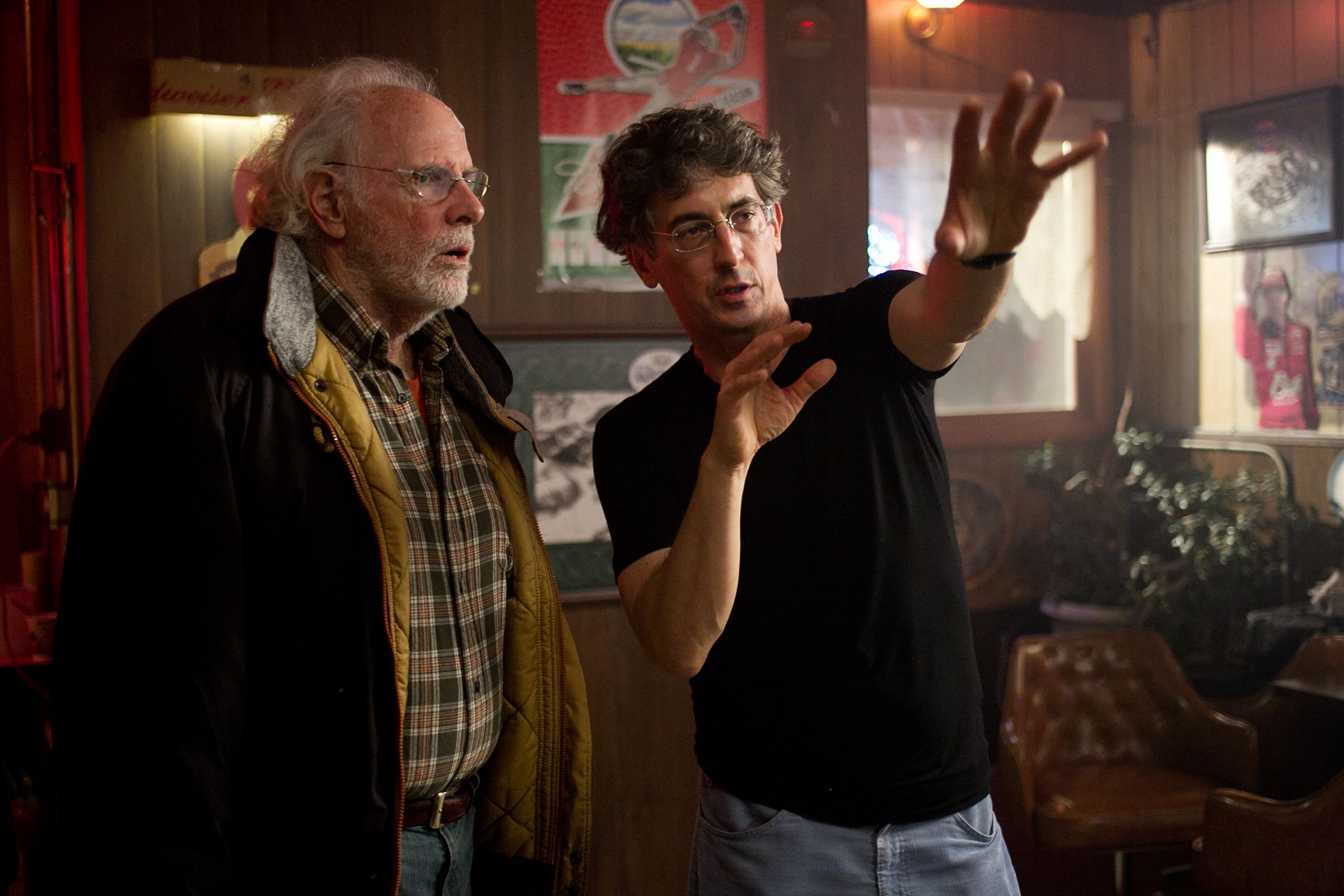
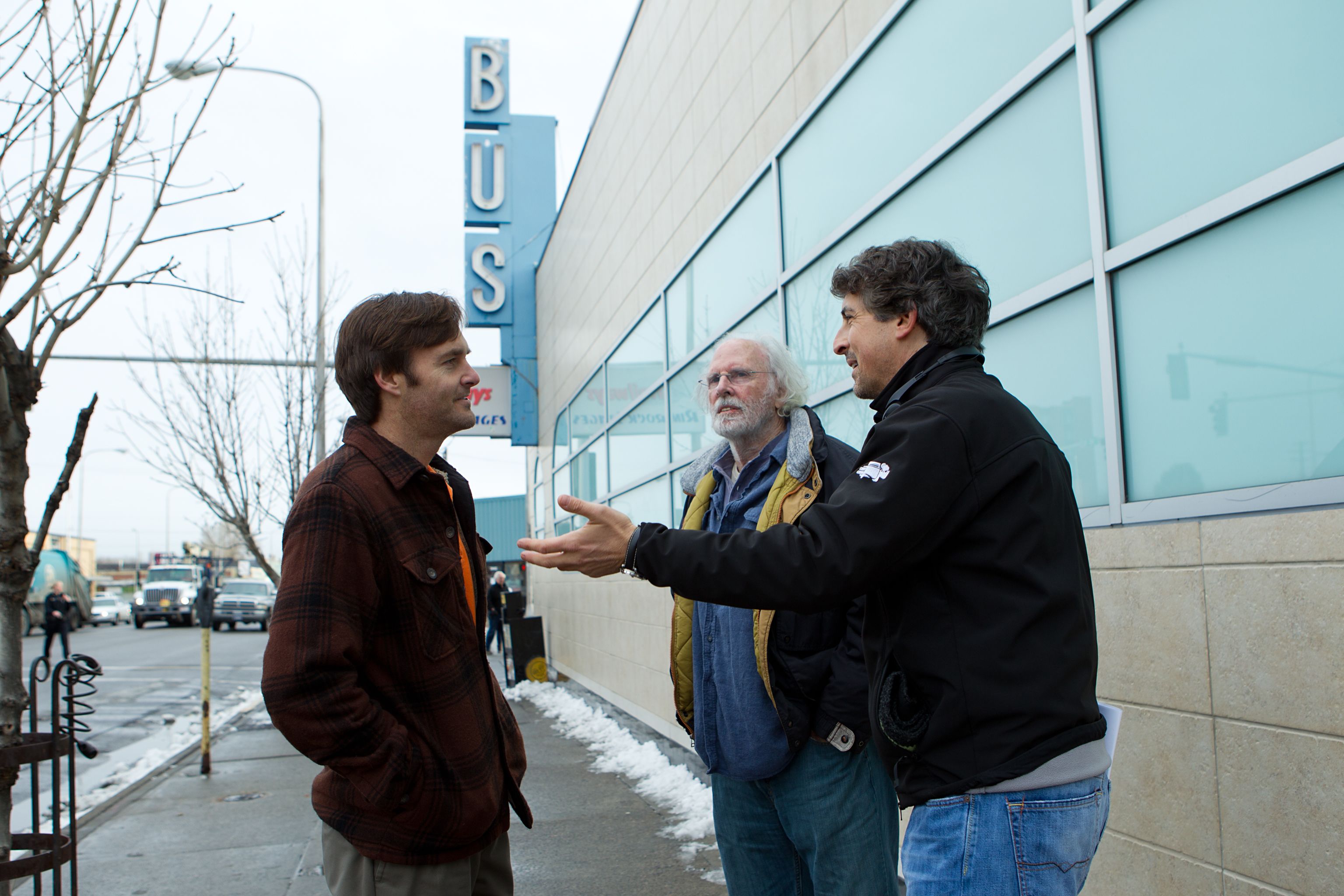
(Above) Payne (left) and Dern (right) on the set of Nebraska. (Photo courtesy of indiewire).

Related articles
- First Official Look at Alexander Payne’s ‘Nebraska’ (slashfilm.com)
- First Official Image from Alexander Payne’s NEBRASKA Starring Bruce Dern and Will Forte (collider.com)
- ‘Nebraska’ Screenwriter Shares Thoughts On Cannes Film Festival Premiere (nathanvjohnson.wordpress.com)
- Nebraskans Hone in on Hollywood (variety.com)
- Good Time to Get Your Copy of the Alexander Payne Book (leoadambiga.wordpress.com)
Come to My Next Alexander Payne Book Signing: Saturday, May 11 at The Bookworm in Omaha
Come to my 1 pm signing this Saturday, May 11 at The Bookworm in Countryside Village. I’ll be signing my book, “Alexander Payne: His Journey in Film.” I had a great response there the first time and I’m hoping to repeat the magic. This is a great time to get the book because it will be a valuable reference come awards season, when Payne’s new film “Nebraska” is contending for Golden Globes and Academy Awards. The book’s a great source of Payne trivia to impress your fellow film buffs with. It’s sure to be a valuable keepsake as his career continues to flourish and his standing in world cinema grows. The book’s been endorsed by Laura Dern, Leonard Maltin, Kurt Andersen, Dick Cavett, Joan Micklin Silver, and Ron Hull, among others.

Related articles
- Good Time to Get Your Copy of the Alexander Payne Book (leoadambiga.wordpress.com)
- Leonard Maltin: Must-See Indie Films This Month (huffingtonpost.com)
- First Official Look at Alexander Payne’s ‘Nebraska’ (slashfilm.com)
- Paramount Sets Release Dates For Alexander Payne’s ‘Nebraska’ and Platinum Dunes’ ‘Almanac’ (slashfilm.com)
Payne’s “Nebraska” blend of old and new as he brings Indiewood back to the state and reconnects with crew on his first black and white film
Alexander Payne is at it again. By that I mean he’s in progress on a new road picture, Nebraska, whose principal photography was accomplished October 15 through the end of November. The filmmaker will be editing the project through the spring. Here’s my second cover story about the project, this one based in part on a short visit I made to the set in November. The piece will be appearing soon in The Reader (www.thereader.com) and it features material gleaned from interviews with Payne, screenwriter Robert Nelson, cinematographer Phedon Papamichael, and casting director John Jackson.
The writer-director is the subject of my book, Alexander Payne: His Journey in Film.
©Images from:


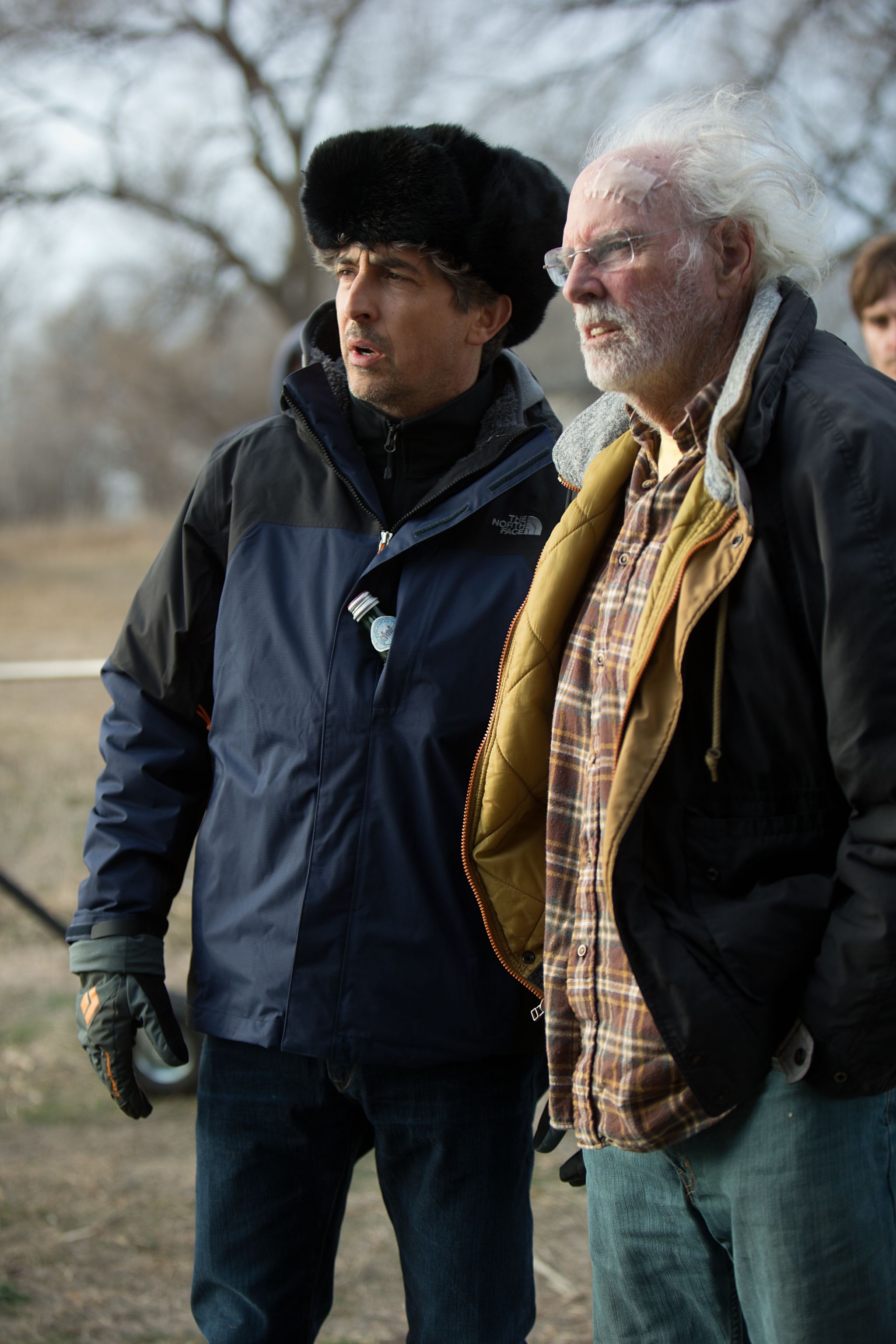
Payne’s “Nebraska” a blend of old and new as he brings Indiewood back to the state and reconnects with tried and true crew on his first black and white film
©by Leo Adam Biga
Excerpt of a story that originally appeared in The Reader (www.thereader.com)
Alexander Payne‘s decision to make Nebraska in his home state brought into sharp relief some realities with large implications for his own work and prospects for more studio films getting made here.
The state’s favorite son had not shot a single frame here since About Schmidt in 2002. With Nebraska, whose principal photography went from October 15 through November, he continued a tradition of shooting here and surrounding himself with crew whom he has a long history. Some key locals are part of his creative team, too, including one metro resident he calls “my secret weapon.”
Aesthetically and technically speaking, Payne also stretched himself by lensing for the first time in black and white, wide screen and digital. He says abandoning celluloid marks a concession to the new digital norm and to the fact today’s black and white film stock options are limited.
Cinematographer Phedon Papamichael says digital “allows us to work more with natural light and not have to carry a larger equipment package. We did specific black and white tests to choose the texture and quality in terms of contrast and film grain level we want for the picture. So we went into it knowing exactly where we want to be at.”
Papamichael adds, “Digital means needing less light, so we can do tighter interiors, which is important on this show because we’re entirely a location picture. We don’t have anything built. A lot of these interior spaces are very small and whatever space we can save in terms of lighting and camera equipment is helpful. Rather than having traditional bigger car rigs and following cars with camera cars we’re able to just get in the car hand-held. Also, these newer cameras allow us to do good car work without lighting. It just helps the whole natural feel we’re going for.”
At the end of the day, says Payne, digital “doesn’t matter to me because my process stays exactly the same.” His process is all about arriving at the truth. Capturing the windswept plains and fall after-harvest season figured prominently in that this time. Papamichael and Payne sought ways to juxtapose characters with the prairie, the open road and small town life milieu. In a story of taciturn people rooted to the land and whose conversations consist of terse exchanges, context and subtext are everything. Therefore, the filmmakers extracted all the metaphor and atmosphere possible from actual locations, geography and weather.
Payne doesn’t belabor the point but he received pressure from various quarters to shoot the picture elsewhere. The suits pressed going to states with serious film tax credits. Many locales could approximate Nebraska while saving producers money.
He finds himself in the awkward position of having lobbied long and hard to try and convince the governor and state legislators to support film incentives only to see his entreaties largely ignored. As much as he and his projects are embraced, his moviemaking forays in the state seem taken for granted. But the fact is he only ended up shooting here because he had the motivation and clout to do so.
If not for Nebraska there would have been no feature film activity of any significance here during 2012. Minus his Citizen Ruth, Election and Schmidt, the state has precious little feature film activity of any size to show for it. Refusing to cheat the script’s Nebraska settings, Payne brought Indiewood feature filmmaking of scale back home for the first time in a decade. Basing his production in Norfolk provided a boost to the northeast part of the state.
Norfolk director of economic development Courtney Klein-Faust says the total impact the project had on the local economy has yet to be tabulated but that just in lodging alone the production spent more than a half-million dollars accommodating its 100 cast and crew members. She says the film bought local goods and services whenever possible. She feels the experience will serve as “a case study” for elected officials to assess the trickle down effect of mid-major features and will be used by supporters of tax credits to push for more film industry friendly measures.
Like many filmmakers who develop a track record of success Payne’s cultivated around him a stock company of crew he works with from project to project. During a mid-November visit to the Nebraska set it was evident he enjoys the same easy rapport with and loyalty to crew he had before his two Oscar wins. The only time this visitor saw Payne betray even mild upset came after a principal actor was not in place when ready to roll and the filmmaker emphatically tapped his watch as if to say, “Time is money.” He expressed mild frustration when cows drifted out of frame and it took awhile for production assistants to wrangle them back in position.
On Nebraska he collaborated for the third consecutive time with Papamichael, the director of photography for The Descendants and Sideways. Their relationship entered a new dimension as they devised a black and white and widescreen visual palette to accentuate Nebraska’s stark characters and settings. That meant fixing on the right tools to capture that look.
“We did a bunch of testing and dialed in a look we’d like for our black and white because there are many different ways to go about black and white,” says Papamichael. Some of the expressive light and shadow images extracted by Papamichael and Payne recall memorable black and white treatments from cinema past, including Shadow of a Doubt, Night of the Hunter, Touch of Evil and It’s a Wonderful Life.
“It’s not really a film noir look, it’s definitely a high con(trast) with natural lighting” Papamichael says. “We were very diligent in selecting our lens package, which is Panavision C Series anamorphic. That’s from the ’70s, so it has a little bit of a less defined, less sharp quality and that helps the look. We’re adding quite a bit of actual film grain to it which will feel like you’re watching a film projection. We’re even talking about possibly adding some projector flicker imposed. So we’re really going for a film look.
“And through a series of tests we’ve been able to achieve that.”
A week into filming, Papamichael was pleased by what he and Payne cultivated.
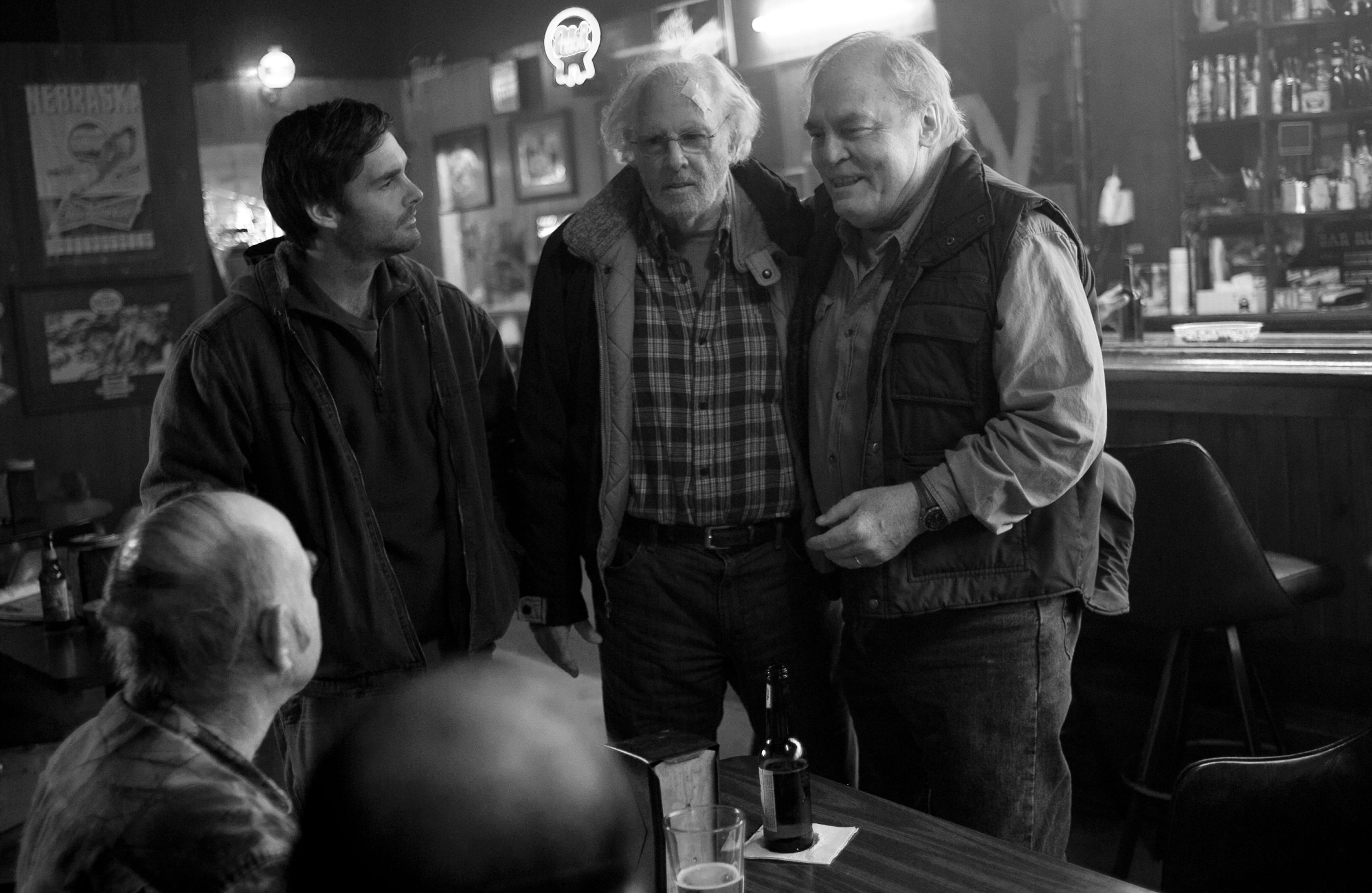
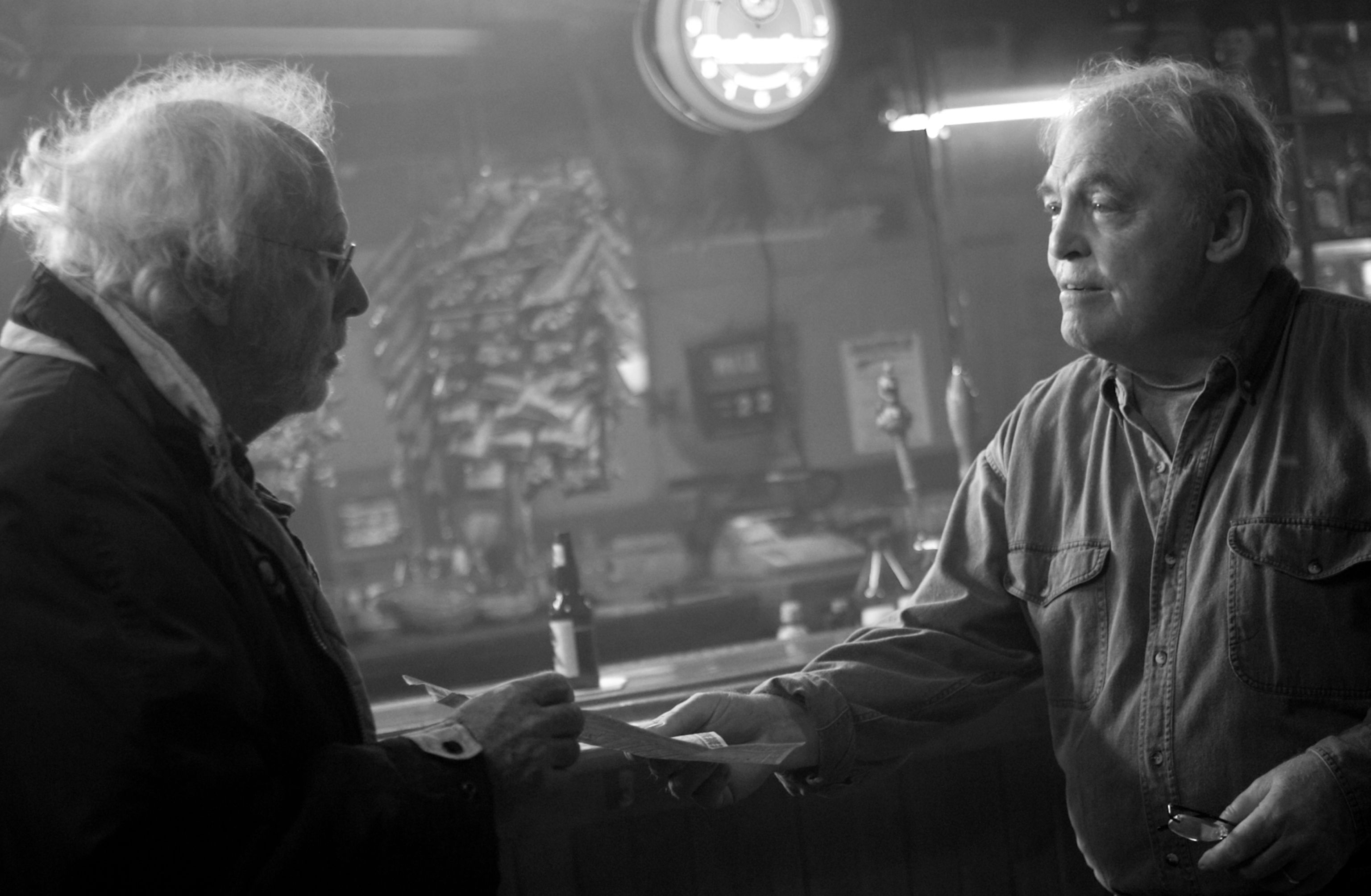
“There’s an overall excitement the whole crew has. Everybody feels we’re doing something very special and unique and the black and white has a lot to do with it. After you work with it for awhile it becomes the way you see things. In a way we’re learning the power of black and white as we go. We’re really coming to appreciate and love the poetic power of the black and white in combination with these landscapes and, of course, the landscapes are playing a huge role in this story – just scaling the human drama and comedy.
“The black and white is becoming a very powerful character in this film just in terms of setting the mood for this.”
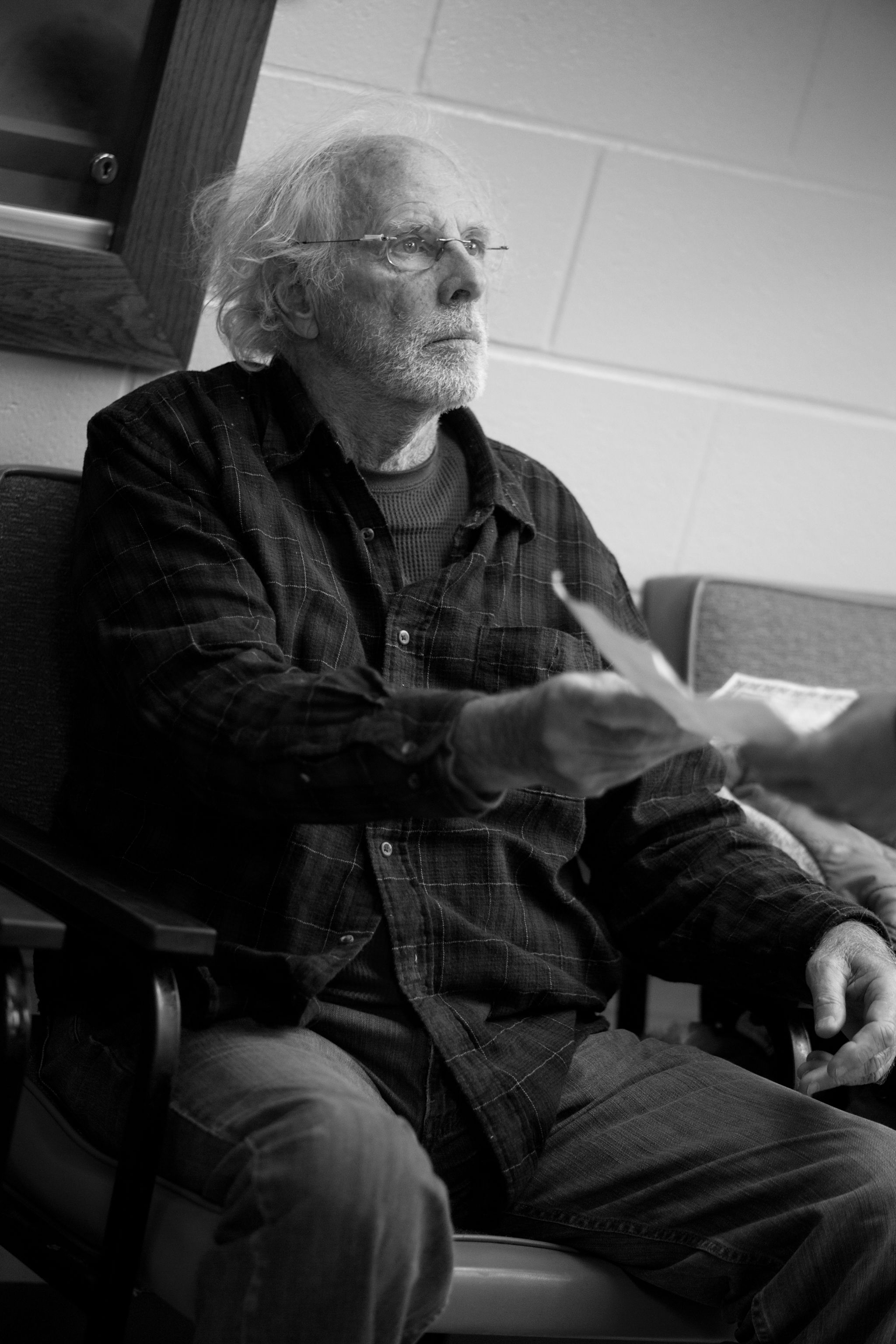
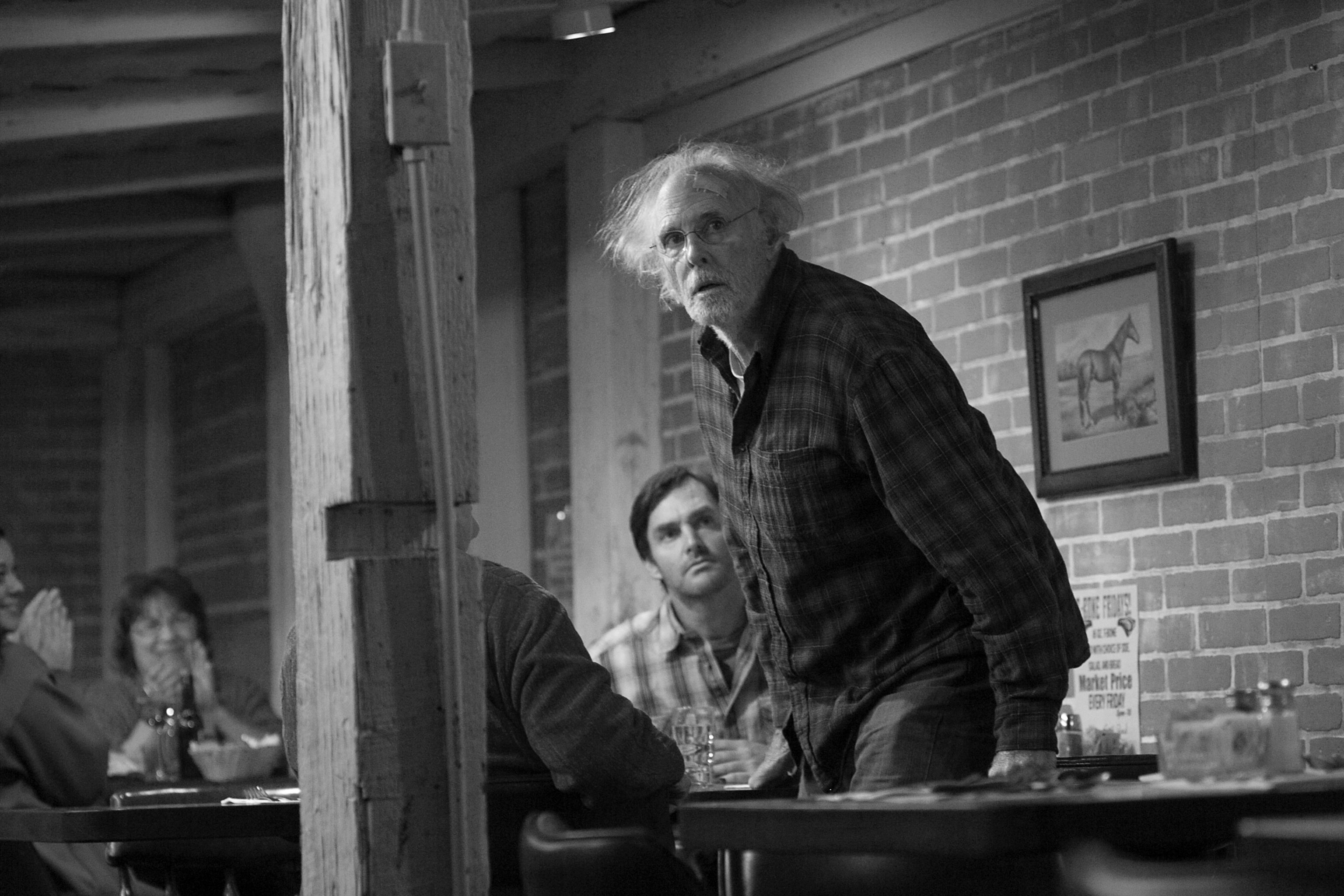
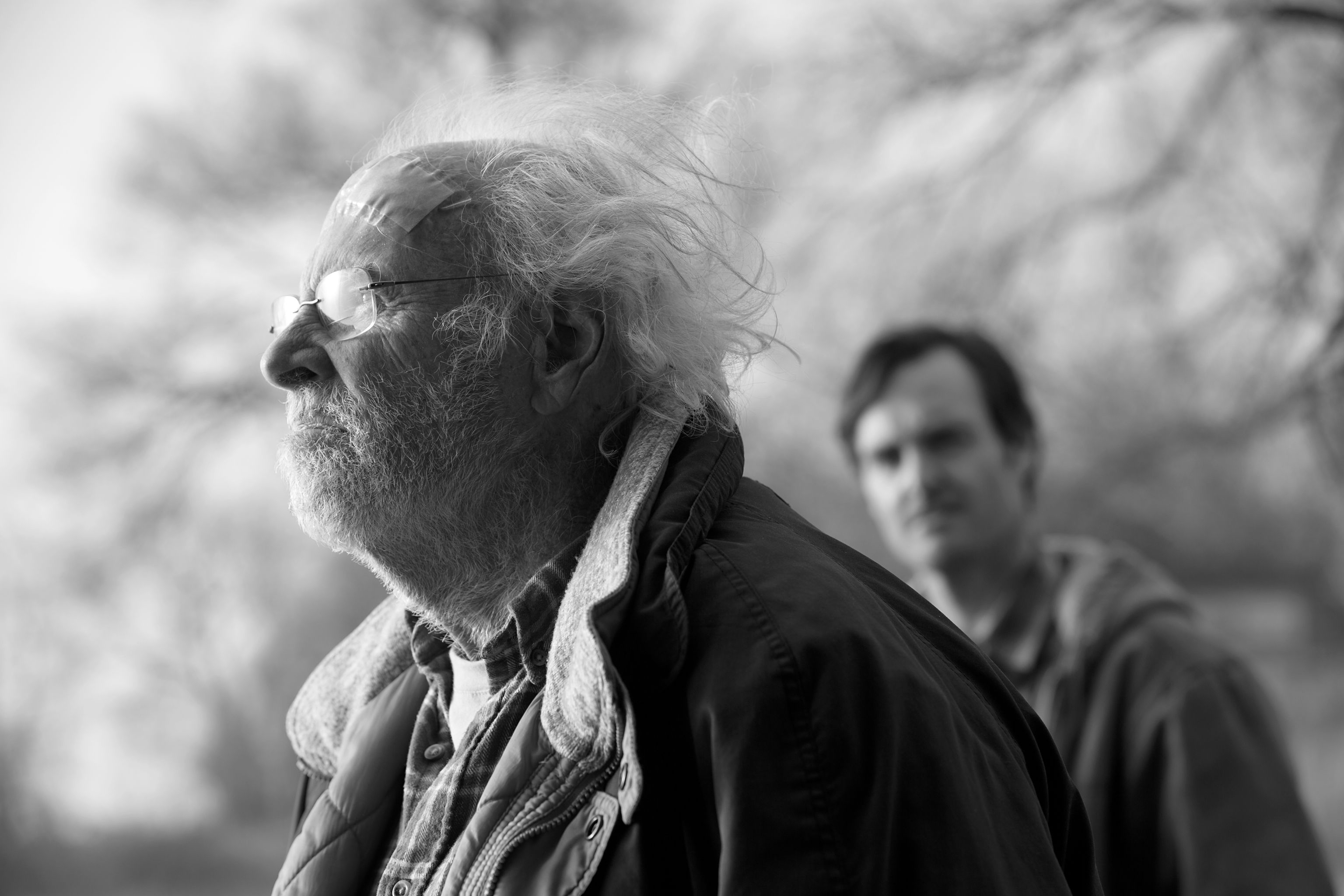
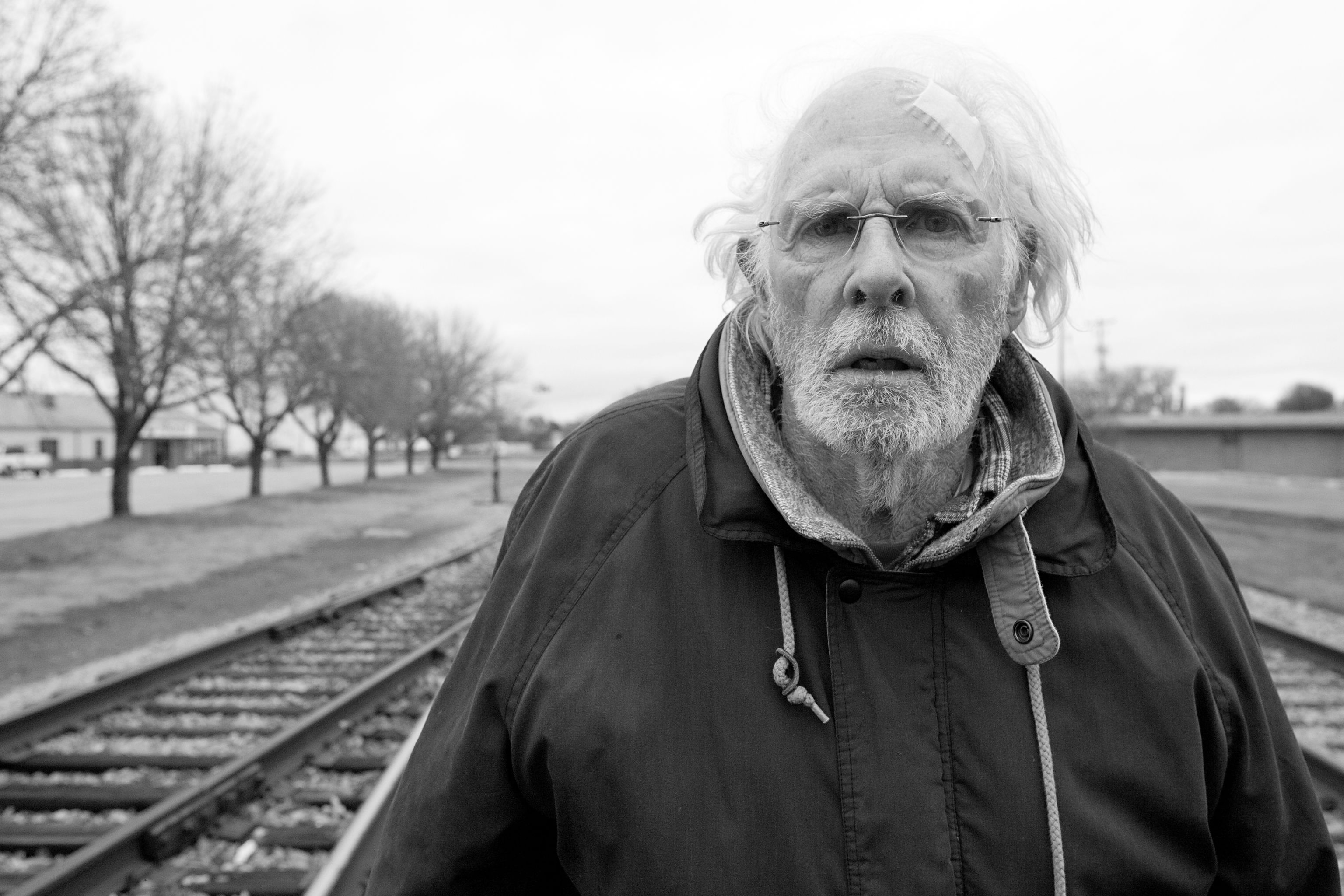
Grizzled Bruce Dern as the gone-to-seed protagonist Woody is a walking emblem of the forlorn but enduring fields and played out towns that form the story’s backdrop. His tangle of white hair resembles shocks of frosted wheat. His drab working man clothes hang on him as if he’s a scarecrow. His gait is halting and he lists to one side. His Woody is as worn and weathered as the abandoned farmhouse of the character’s youth. But just like the artifacts of Woody’s past, this physical-emotional derelict holds on from sheer cussedness.
Papamichael says part of the fun became “discovering Bruce Dern’s great visual qualities – his face, the textures and everything that are emphasized through the black and white.”
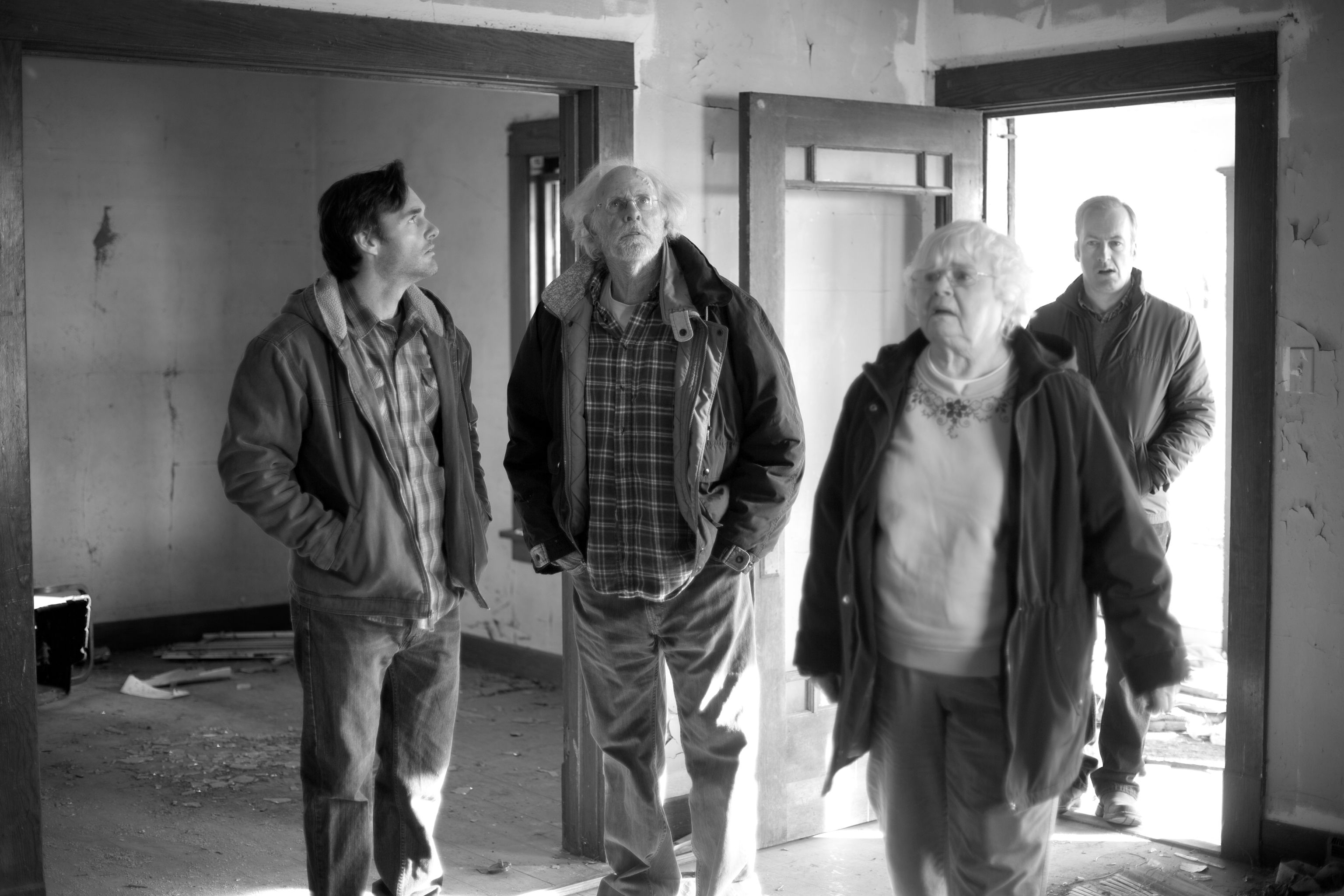
The film’s full of Nebraskesque places and faces. There’s that farmhouse a few minutes outside Plainview. There’s the town of Plainview itself standing in for the fictional Hawthorne. There’s an American Legion hall, some bars, farm implement dealerships and mottled fields full of lowing cows. There are earnest farmers, shopkeeps, housewives and barmaids, plain as the day is long.
“Alexander is very diligent about finding the exact right spot for everything,” says Papamichael.
The original screenplay is by Bob Nelson, whose parents grew up in the very northeast environs of the state the film’s set in. He’s also impressed by how rigorous Payne is in location scouting.
“I think he’s done a great job of finding a combination of things around Norfolk,” he says. “I’ve seen the location photos and it’s pretty stunning to see it in black and white. You know it has that The Last Picture Show quality to it. It is funny to see these things that were in your mind, like the abandoned farmhouse, come to life. I don’t know how they found it, it must have been a chore, but they came up with a good one. Almost everything I saw was spot-on perfect.”
The locations are pregnant with memories and incidents, thus Payne and Papamichael chose ones most reflecting the characters and situations and they cast actors and nonactors alike who most represent these places and lifestyles.
“For him it’s not all about trying to capture something truthful and comedically grim about the American landscape but also something archetypal,” says producer Albert Berger.


YOU CAN READ THE REST IN THE NEW EDITION OF MY BOOK-
Alexander Payne: His Journey in Film
(The new edition encompasses the Oscar-winning filmmaker’s work from the mid-1990s through Nebraska in 2013 and his new film Downsizing releasing in 2017 )
Now available at Barnes & Noble and other fine booktores nationwide as well as on Amazon and for Kindle. In Nebraska, you can find it at all Barnes & Noble stores, The Bookworm and Our Bookstore in Omaha, Indigo Bridge Books in Lincoln and in select gift shops statewide. You can also order signed copies through the author’s blog leoadambiga.com or via http://www.facebook.com/LeoAdamBiga or by emailing leo32158@cox,net.
For more information. visit– https://www.facebook.com/pg/AlexanderPayneExpert/about/?ref=page_internal
Related articles
- Movie shoot boosts Billings’ economy, pride (missoulian.com)
- Rapid City site of Hollywood movie shoot (rapidcityjournal.com)
- ‘Nebraska’ filming attracts local actors, gawkers (missoulian.com)
- Upcoming Alexander Payne Book Events (leoadambiga.wordpress.com)
- Dick Cavett is the latest luminary to endorse my Alexander Payne book (leoadambiga.wordpress.com)
- Laura Dern Endorses My Alexander Payne Book (leoadambiga.wordpress.com)
- Another sweet endorsement for my Alexander Payne book… (leoadambiga.wordpress.com)
- Alexander Payne book news (leoadambiga.wordpress.com)
- More Alexander Payne Book News: WE MADE INDIEWIRE!!! (leoadambiga.wordpress.com)
Alexander Payne’s “Nebraska” comes home to roost: State’s cinema prodigal son back filming on home turf after long absence
I call Alexander Payne Neb.’s cinema prodigal son because he left here to find himself as a filmmaker, then he came back to make his first three features in his home state, only to leave again to make Sideways and The Descendants in faraway Calif. and Hawaii, respectively. And now, after a 11-year absence filming here he’s back shooting his new pic, Nebraska. In truth, he was never really gone-gone. He’s maintained a residence in Omaha all along and has returned innumerable times for all sorts of things. That he’s returned to make a feature with the name of his native state in the title and is doing so after the immense success of The Descendants only makes Payne, who’s already the most compelling living Nebraskan outside perhaps Warren Buffett, only more a figure of intense interest. The following cover story for The Reader (www.thereader.com) is the first of what I anticipate will be a whole string of pieces I do related to this film. My reporting on the project converges with my new book out on the filmmaker, Alexander Payne: His Journey in Film – A Reporter’s Perspective 1998-2012, which you’ll find plenty of posts about on this blog. My coverage of Nebraska will undoubtedly end up in future editions of the book.
©Images from:
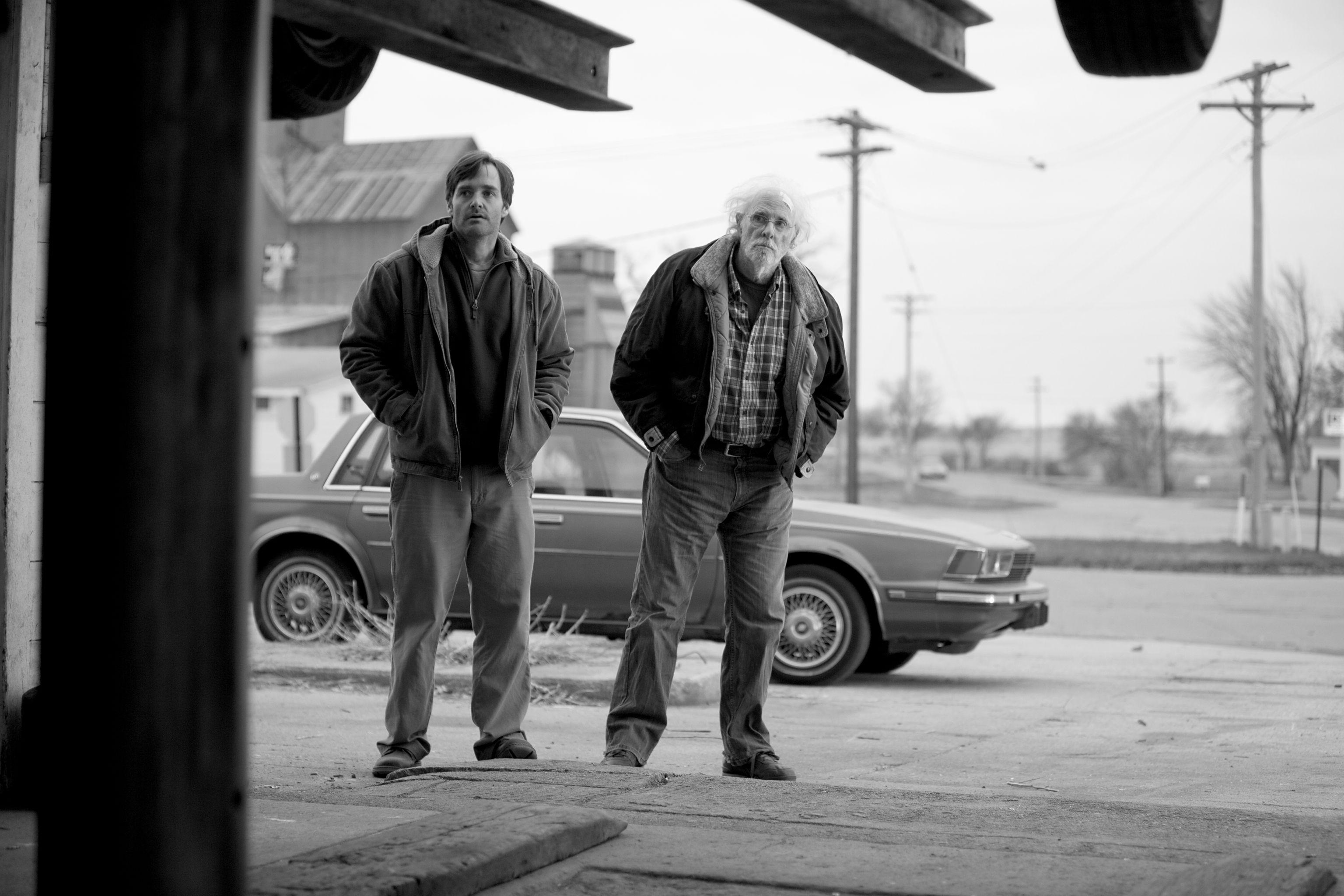
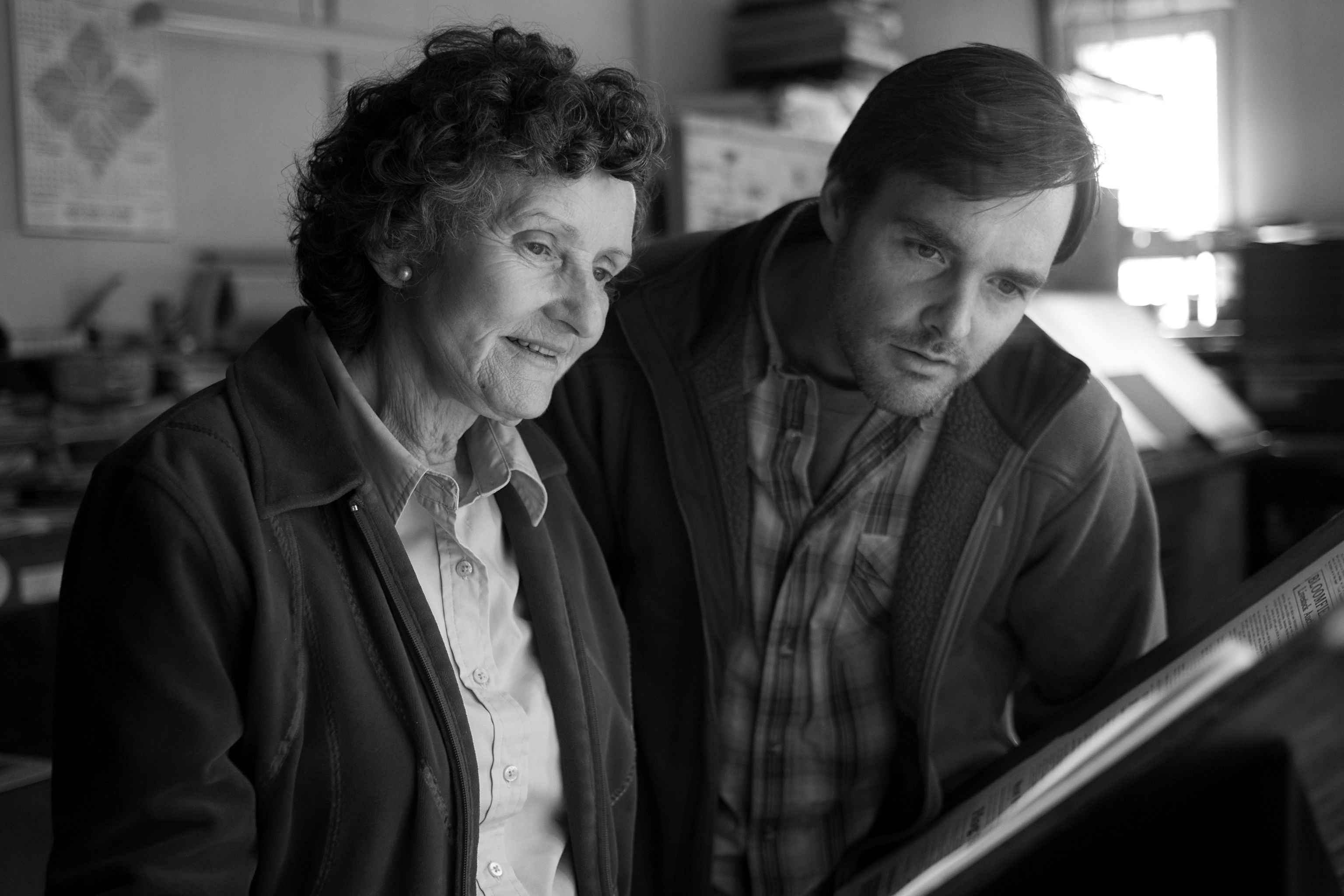
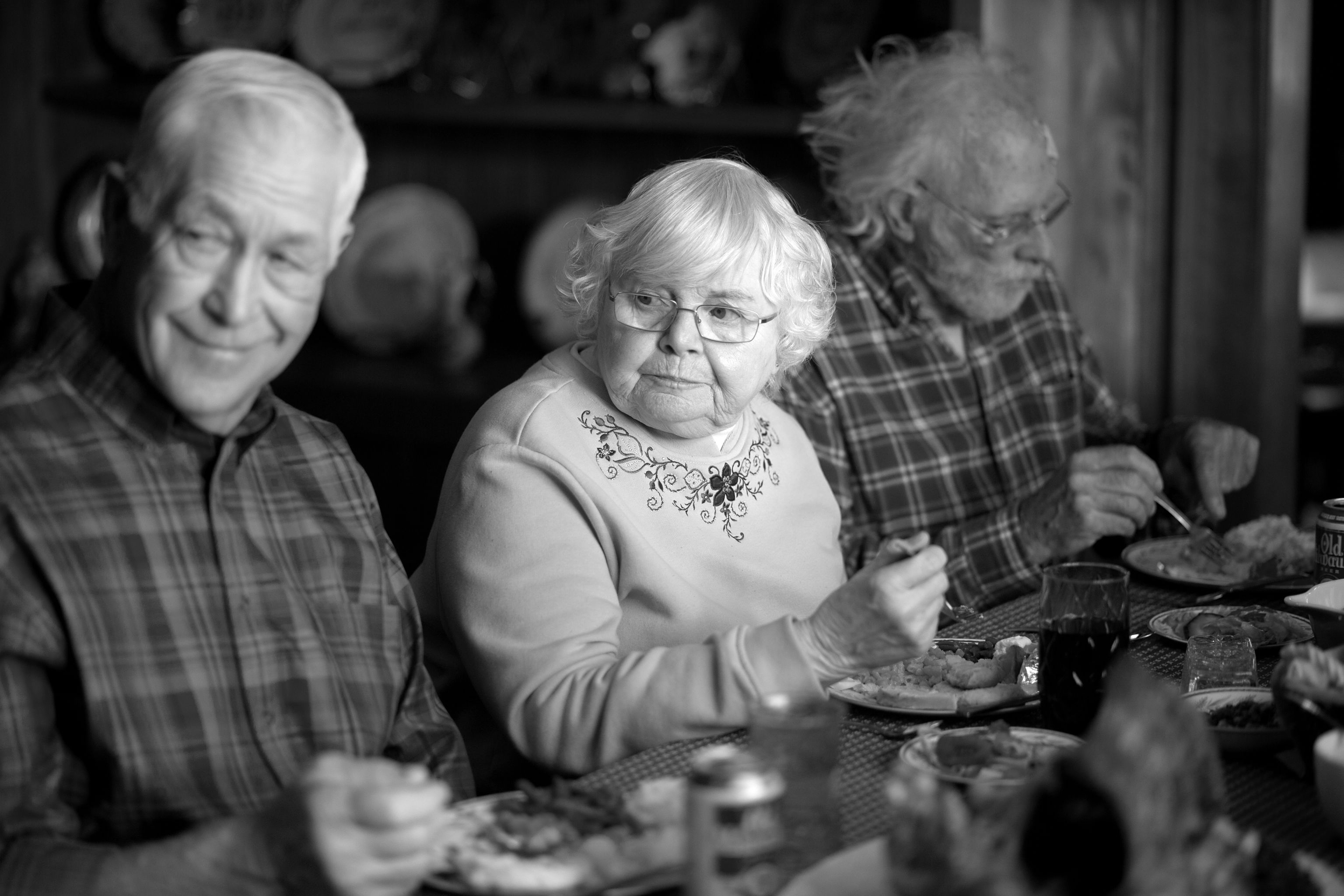
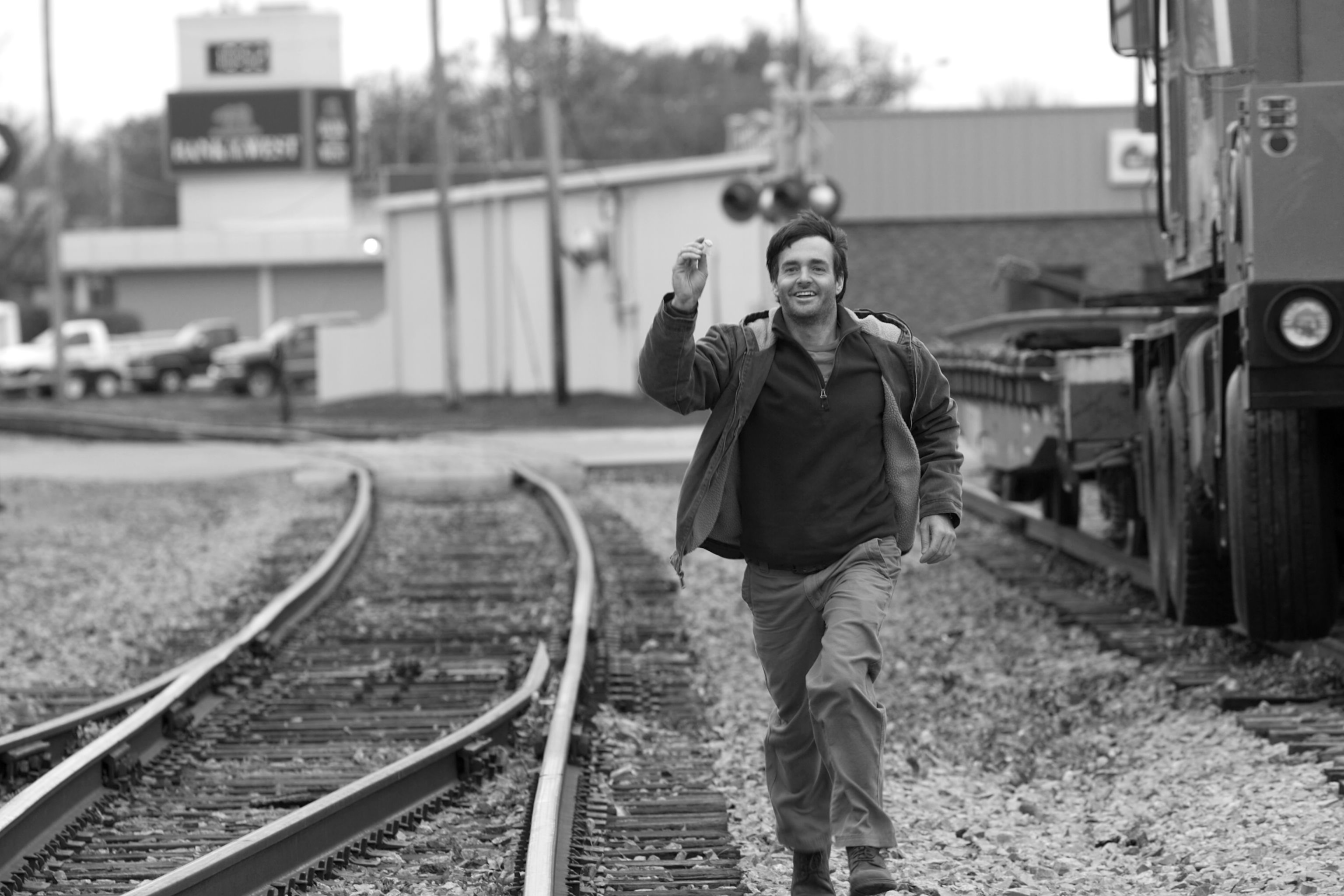
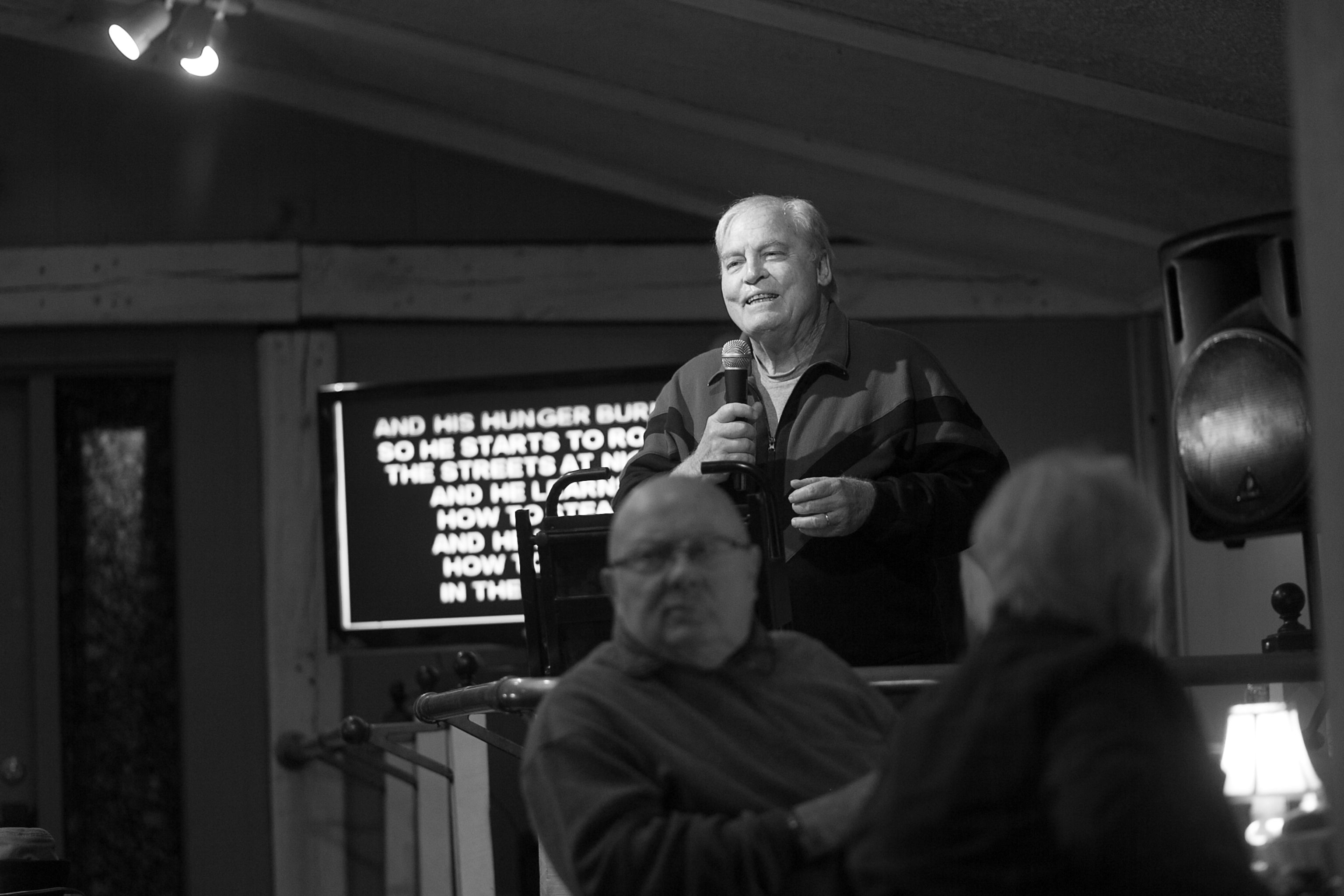
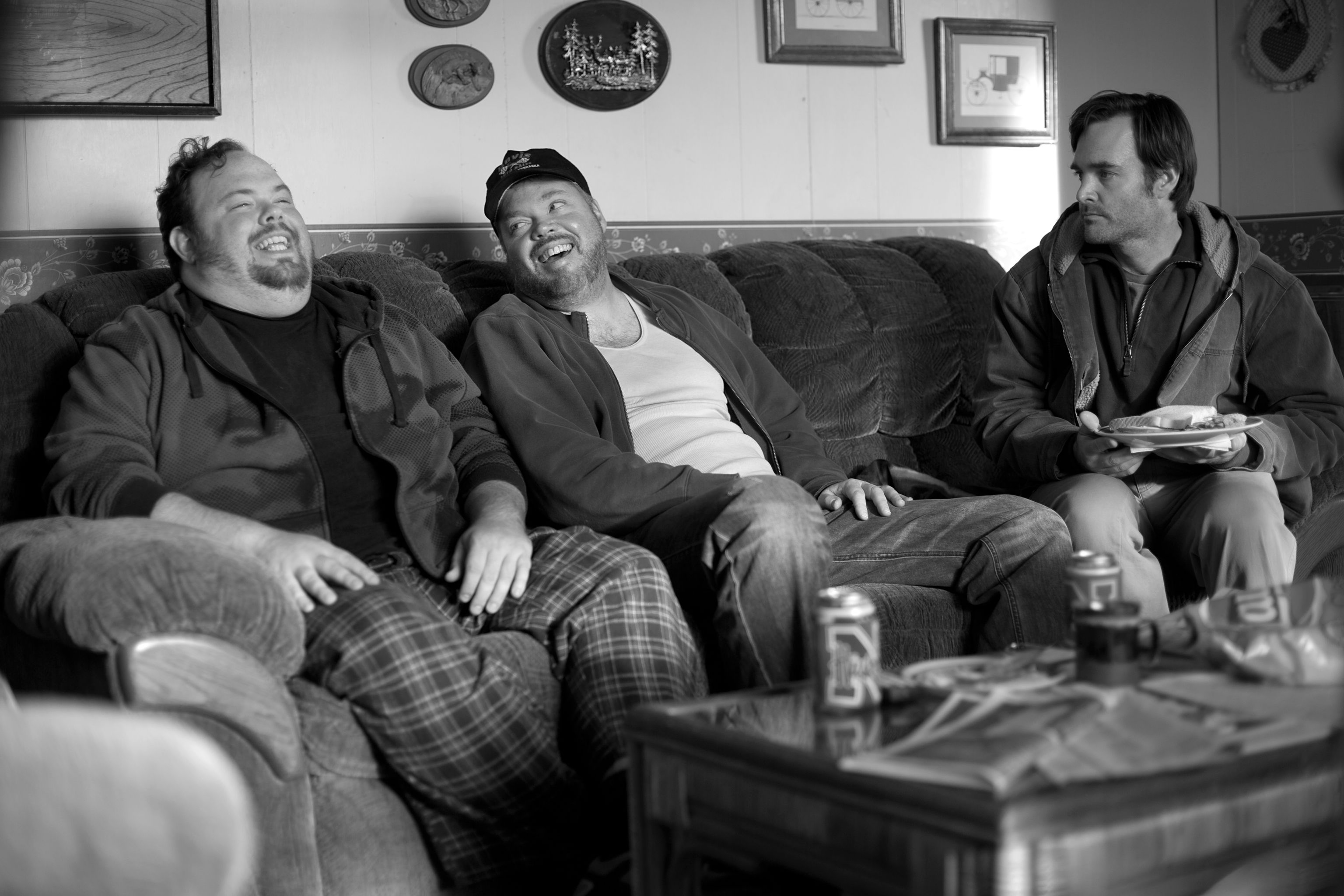
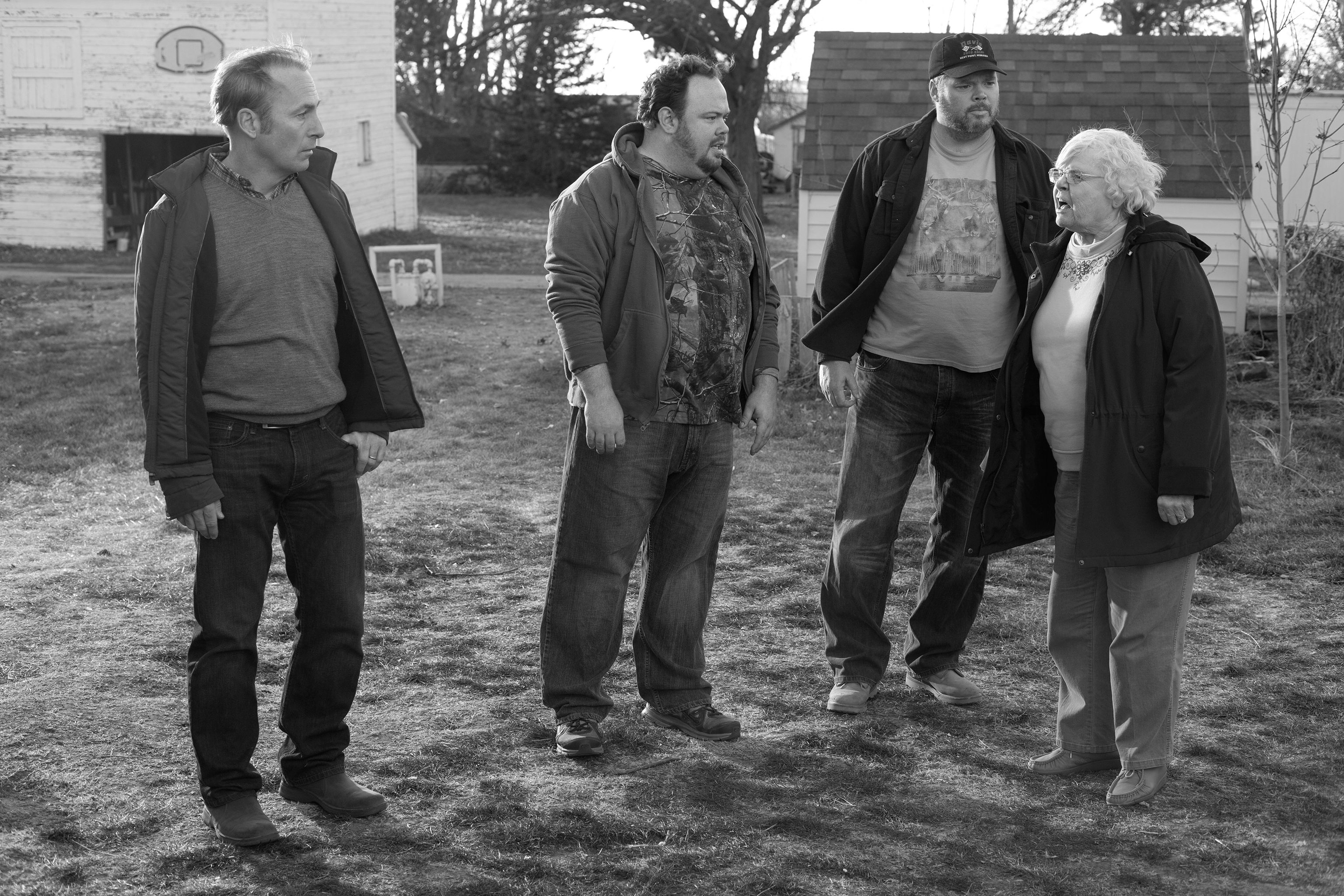
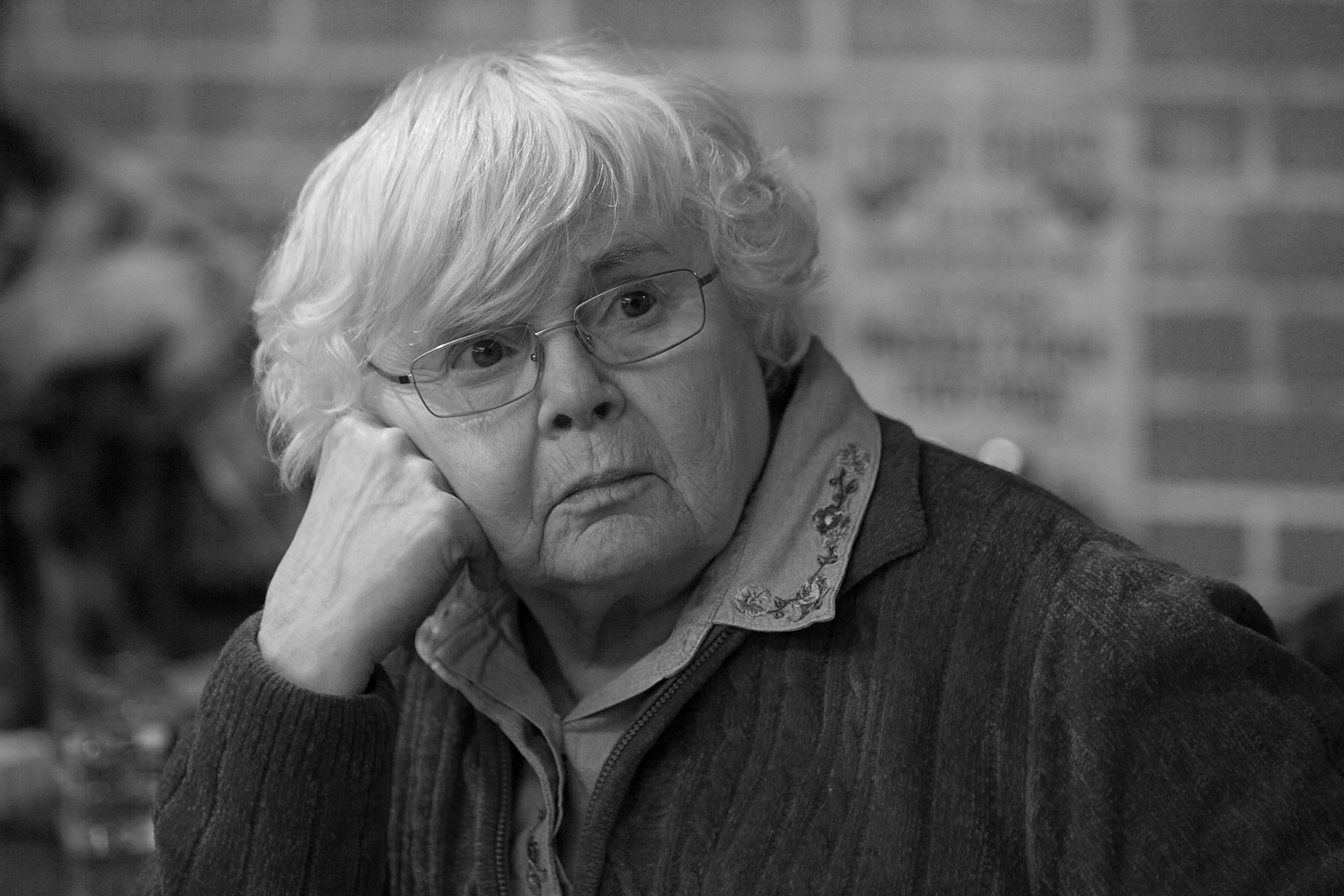
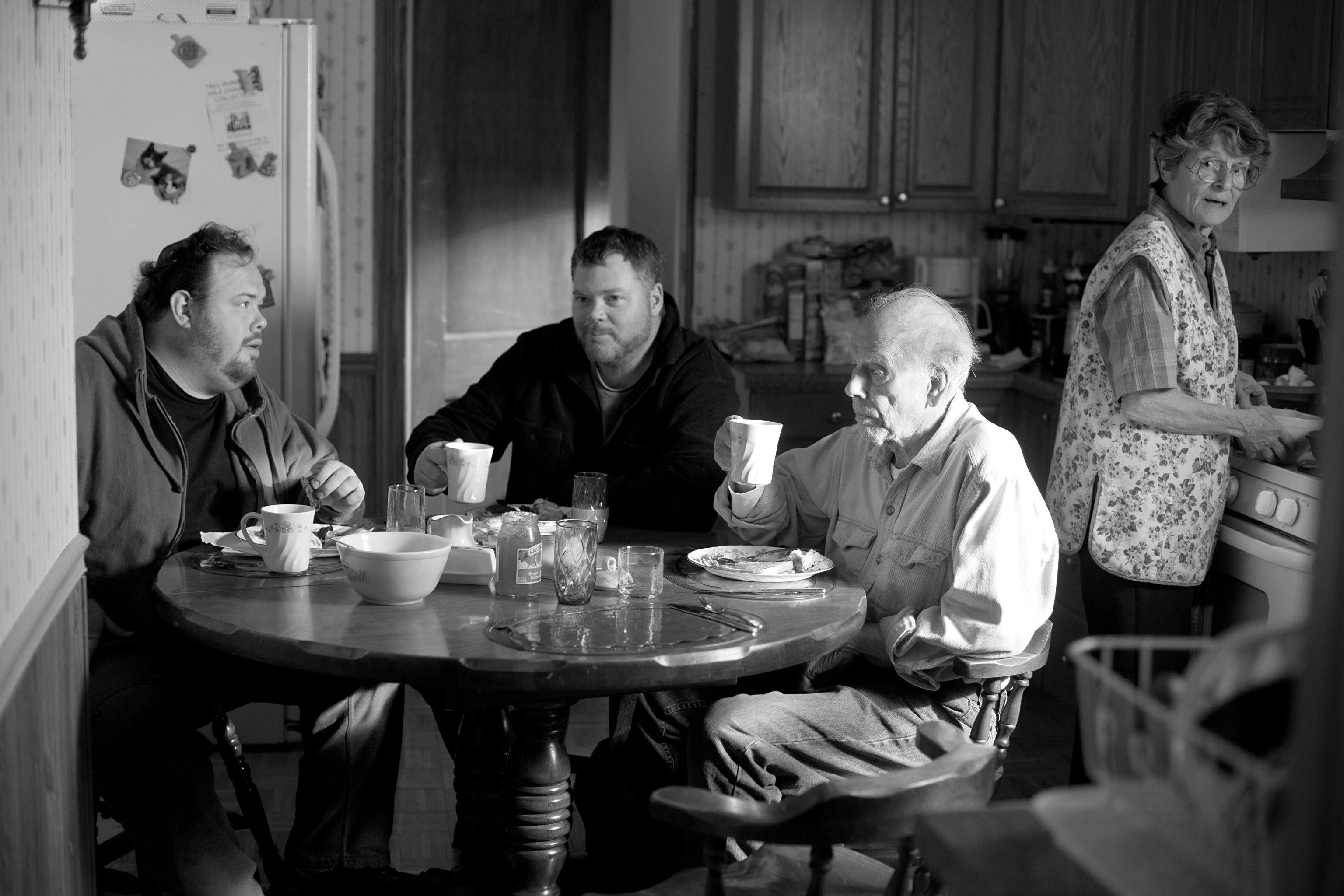
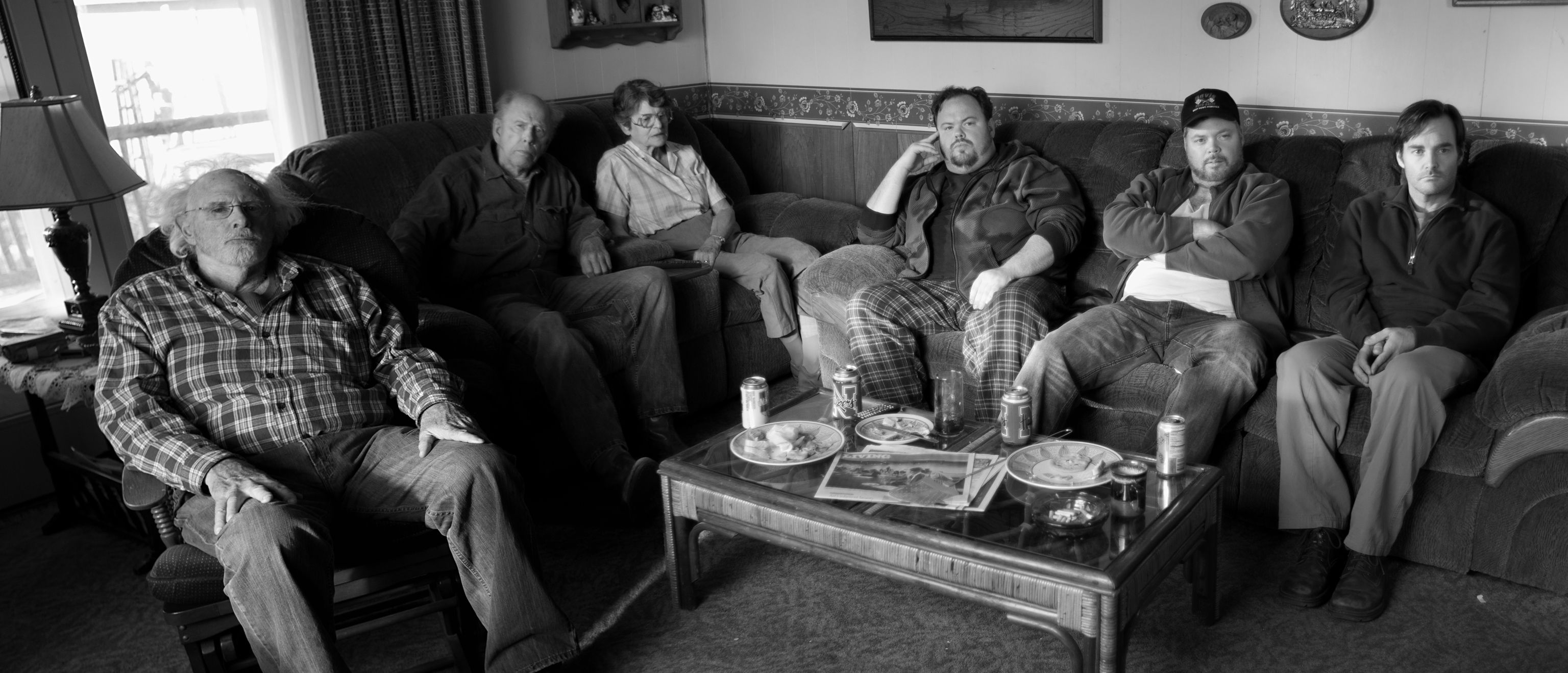
Alexander Payne’s “Nebraska” comes home to roost: State’s cinema prodigal son back filming on home turf after long absence
©by Leo Adam Biga
Excerpt of a story that originally appeared in The Reader (www.thereader.com)
In 1968 Francis Ford Coppola led a small cinema caravan to Ogallala, Neb. for the final weeks shooting on his independent road pictureThe Rain People starring Shirley Knight. Joining them were future fellow film legends George Lucas, Bill Butler, Robert Duvall and James Caan.
Now a road pic of another kind, Nebraska, is underway here by native prodigal son Alexander Payne. For his first filming on his home turf since 2001 Payne’s lit out into northeast Neb. to make a fourth consecutive road movie after the wandering souls of his About Schmidt,Sideways and The Descendants.
Nebraska began shooting October 15 around Norfolk, where the production’s headquartered, and will complete 35 days of principal photography by the end of November. A week of second unit work will run into early December.
The project is set up between Payne, Albert Berger and Ron Yerxa’s Bona Fide Productions and Paramount Pictures.
Despite proclamations he doesn’t care for road movies, much less shooting in cars, Payne’s once again attached himself to a story of lost and broken people careening to some revelation about themselves.
Asked why he keeps returning to this theme or structure, he says, “I have no idea, I personally don’t really like road movies all that much and it’s all I seem to make. No, none of it’s intentional, I’m a victim. Yeah, it just happened.”
Characters hitting the road is a classic metaphorical device for any life-as-journey exploration and Payne’s not so much reinvented this template as made it his own.
“I think self-discovery is a big theme in his movies,” says Berger.
The protagonist of Schmidt (Jack Nicholson) goes in search of meaning via his mobile home after his life is knocked asunder. In Sideways buddies Miles (Paul Giamatti) and Jack (Thomas Haden Church) indulge in a debauched tour of Calif. wine country that rekindles the love impulse in one and confirms the unreliability of the other.
The by-car, boat and foot journey of The Descendants is propelled when Matt King (George Clooney) discovers his dying wife’s infidelity and sets off to find her lover. What he really finds is closure for his pain and the father within him he’d forgotten.
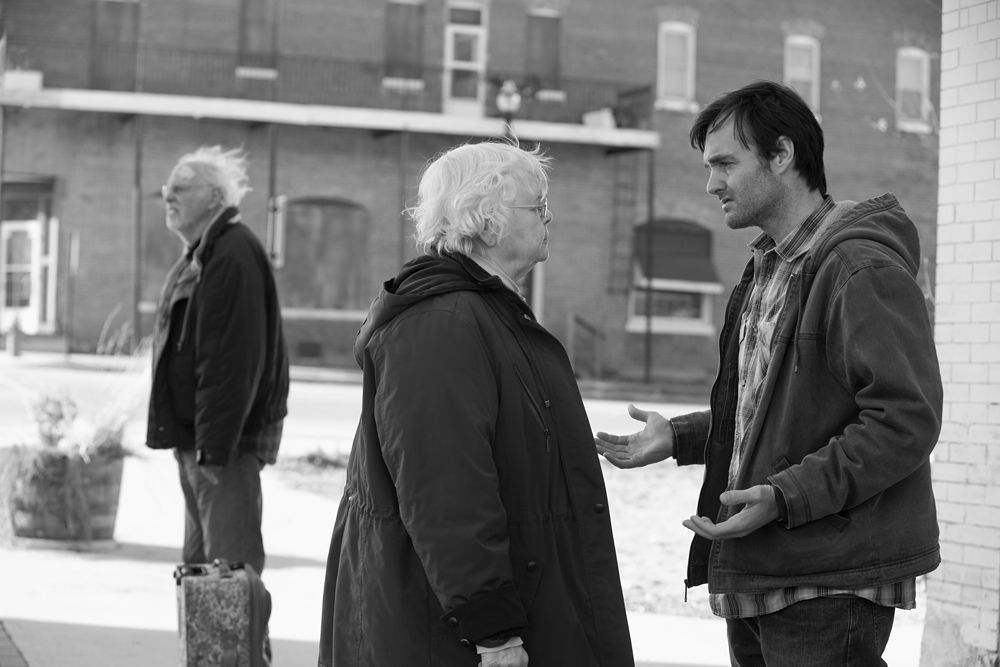
The bickering father-son of Nebraska, Woody (Bruce Dern) and David (Will Forte), hold different agendas for their trek along the highways and byways of Montana, Wyoming, South Dakota and northern Nebraska. Woody, a unrepentant, alcoholic old coot estranged from everyone in his life, is hellbent on collecting a sweepstakes prize that doesn’t exist. David, the good-hearted but exasperated son, decides to placate his pops by promising to drive him from Billings. Mont. to the prize company’s home office in Lincoln, Neb. by way of several detours. He’s sure his father will come to his senses long before their destination.
This mismatched pair’s road-less-traveled adventure in the son’s car finds them passing through Woody’s old haunts, including his hometown, the fictional Hawthorne, Neb., a composite of Hartington, Wausa, Bloomfield, Norfolk and other rural burgs. At nearly every stop they encounter the detritus from Woody’s life, which like the broken down Ford pickup in his garage he can’t get to run is a shambles of regret and recrimination. Woody’s made the fool wherever he goes.
A longtime nemesis, Ed Pegram (Stacy Keach), is a menacing presence.
By story’s end this father-son journey turns requiem. To salve his father’s broken spirit David performs a simple act of grace that gives Woody a valedictory last laugh.
Producer partners Berger and Yerxa (Little Miss Sunshine), who shepherded Payne’s Election in conjunction with Paramount and MTV Films (1999), brought Bob Nelson’s original script for Nebraska to the filmmaker’s attention a decade ago.
Payne says, “Albert Berger and Ron Yerxa had gotten a hold of it, and asked me to read it, not thinking I would want to direct it myself. They wanted to know if there was some young up and coming Neb. director I knew about who could make it for a very, very low sum, and I read it and I liked it and I said, ‘How about me and for a sum not quite so low?’ And so it was, and they’ve been kind enough to wait for me these eight or nine years since I first read it.
“I read it before making Sideways but I didn’t want to follow up Sideways with another road trip. I was tired of shooting in cars. I didn’t think it would take this long, I didn’t think Downsizing (his as yet unrealized comedy about miniaturization) would take so long to write in between. And then The Descendants came along and now I’ve circled back around to this austere Neb. road trip story.”
The story’s essential appeal for Payne is its deceptive simplicity.
“I liked its austerity, I liked its deadpan humor, I like how the writer clearly was writing about people he knew and representing them faithfully to a certain degree but also sardonically. And I’ve never seen a deadpan, almost Jim Jarmusch sort of comedy that takes place in rural Nebraska.”

The barren, existential landscape should find ample expressive possibilities in the black-and-white, wide-screen visuals Payne and cinematographer Phedon Papamichael (Sideways, The Descendants) plan capturing. Papamichael says the palette they’ve hit upon after much testing emphasizes natural lighting and texture. They’re using a high contrast stock from the ’70s that’s less sharp or defined. Film grain is being added to it.
“We’re really coming to appreciate and love the poetic power of the black and white in combination with these landscapes” says Papamichael, “and of course the landscapes are playing a huge role in this story. It’s scaling the human drama and comedy with this vast landscape. It’s a road movie but it’s also a very intimate, small personal story.”
“Well, I certainly wanted to make one feature film in my career in black and white because black and white when well-done is just so beautiful,” says Payne. “And I knew that whatever film I made in black and white couldn’t have a huge budget, so this one seemed to lend itself to that that way. Then also in reading it I wanted the austerity of the characters and of their world represented also in a fairly austere way and I thought black and white in the fall could be very nice. By that I mean ideally after the trees have lost their leaves – to just get that look.
“Sometimes where you’re in rural America there is a certain timeless quality in all those small towns which have the old buildings. You know, change comes slowly to these places.”
In terms of visual models, he says, “we’ve looked at a number of black and white films and photographs but it’s not like I’m consciously saying, ‘Oh, Walker Evans or Dorothea Lange’ (or The Last Picture Show) or something like that. No, not really. I mean, I’ve seen them. We’re just going to follow instinct in how this one should look like.”

Berger supports Payne’s aesthetic choice, though it came with a price and a fight as Paramount execs reportedly resisted the decision to forgo color. But Payne and Papamichael held firm. Berger feels the project gives Payne a new creative space to work in.
“I always was excited artistically about what he was trying to accomplish,” says Berger. “Clearly we would have gotten a lot more money if we didn’t film in black and white and life would have been a lot easier for the production. Alexander’s films have always had a very authentic look. He’s obviously a great appreciator of cinema and he has a wonderful eye and I think in a way this is his first opportunity to showcase a more iconic, archetypal look.”
Payne may just do for the northeast Sand Hills what John Ford did for Utah’s Monument Valley in capturing a certain beautiful desolation. The play of light on wind, barns, trees and wide open spaces offers evocative chiaroscuro possibilities.
“I think it’s exciting to see what he and Phedon will come up with here,” says Berger. “And it’s scope as well and so that will add yet another dimension. And digital for the first time for him and it’s going to be interesting how that helps us getting in tight spaces like cars and using low level lighting. There’s all sorts of tools at his disposal on this one that he hasn’t had before.”
Berger’s come to know Payne’s meticulous eye for finding locations and actors that ring true.
“Once the script is right and once the cast and the locations are in place I feel he’s completely ready to make the movie. I wouldn’t say the rest is easy but I think that is the critical bedrock upon which his movies are made. I think he’s a filmmaker who’s completely in-tune with what he’s trying to say both emotionally and comedically. It’s been a real pleasure to be able to watch this evolution in his work.”

“I just know in the time frame in which I was trying to get this film made these guys rose to the top of my research and struck me and John Jackson, my casting director, as being the right fit.,” Payne says of Dern and Forte.
The irascible yet playful Woody proved most difficult.
“In this case Woody’s a very, very specifically rendered character and I just couldn’t plug any actor in there,” Payne says.
He interviewed-auditioned many, including big names. For the longest time no one matched his conceptions.
“In today’s world it was kind of hard to find someone whom I believed in that part and I didn’t want it to change the character of Woody.”
No compromising.
He finally found his Woody in Bruce Dern, whose daughter Laura Dern starred in Payne’s Citizen Ruth and remains a close friend. What made Papa Dern (Silent Running, Coming Home, Family Plot) the perfect Woody?
“Well, he’s of the right age now and he can be both ingenuous and ornery. And he’s a cool actor. And in a contextual level I haven’t seen on the big screen a great Bruce Dern performance in a few years and I’m curious to see what he can do. He’s a helluva nice guy as well.”

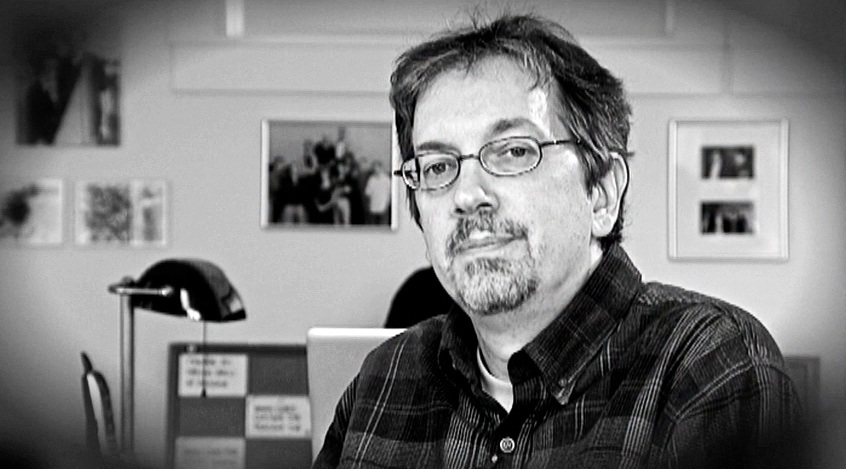
Bob Nelson
YOU CAN READ THE REST IN THE NEW EDITION OF MY BOOK-
Alexander Payne: His Journey in Film
(The new edition encompasses the Oscar-winning filmmaker’s work from the mid-1990s through Nebraska in 2013 and his new film Downsizing releasing in 2017 )
Now available at Barnes & Noble and other fine booktores nationwide as well as on Amazon and for Kindle. In Nebraska, you can find it at all Barnes & Noble stores, The Bookworm and Our Bookstore in Omaha, Indigo Bridge Books in Lincoln and in select gift shops statewide. You can also order signed copies through the author’s blog leoadambiga.com or via http://www.facebook.com/LeoAdamBiga or by emailing leo32158@cox,net.
For more information. visit– https://www.facebook.com/pg/AlexanderPayneExpert/about/?ref=page_internal
- Alexander Payne to film in Nebraska (nebraskapress.typepad.com)
- Feature:10 Best Road Trip Movies (thepeoplesmovies.com)
- Bob Odenkirk and Stacy Keach Join Alexander Payne’s NEBRASKA (collider.com)
- Author Leo Adam Biga to Sign His Alexander Payne Book at Various Events as Shooting Continues on the Filmmaker’s New Picture, ‘Nebraska’ (leoadambiga.wordpress.com)
- Robert Duvall Interview (leoadambiga.wordpress.com)


 Leo Adam Biga's My Inside Stories