Archive
A series commemorating Black History Month: North Omaha stories
Her mother’s daughter: Charlene Butts Ligon carries on civil rights legacy of her late mother Evelyn Thomas Butts
Her mother’s daughter:
Charlene Butts Ligon carries on civil rights legacy of her late mother Evelyn Thomas Butts
©by Leo Adam Biga
Appearing in February 2018 issue of the New Horizons
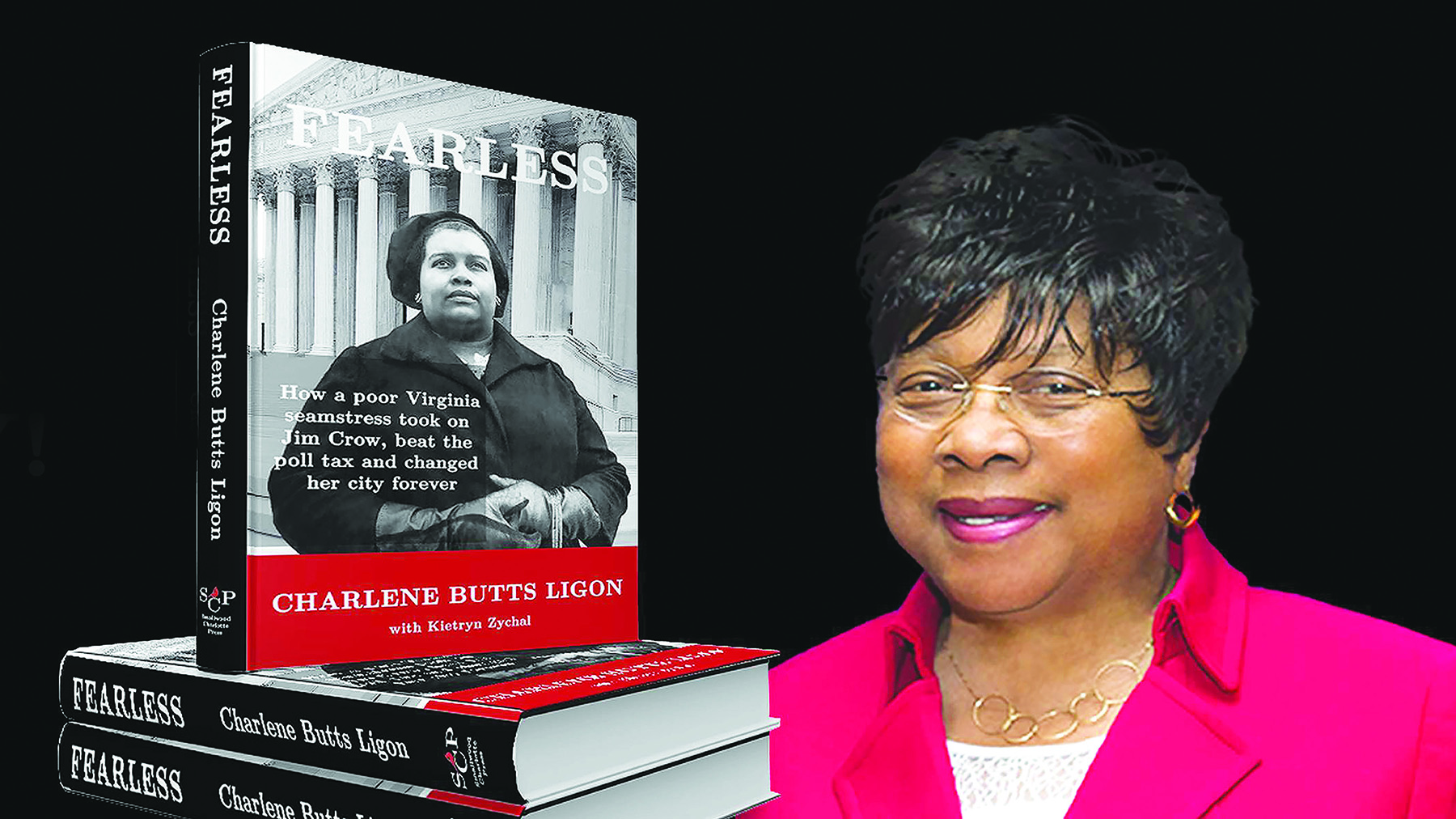
Chances are, you’ve never heard of the late Evelyn T. Butts. But you should know this grassroots warrior who made a difference at the height of the civil rights movement in the Jim Crow American South.
A new book, Fearless: How a poor Virginia seamstress took on Jim Crow, beat the poll tax and changed her city forever, written by her youngest daughter, Charlene Butts Ligon of Bellevue, Neb. preserves the legacy of this champion for the underserved and underrepresented.
Defying odds to become civil rights champion
Evelyn (Thomas) Butts grew up with few advantages in Depression Era Virginia. She lost her mother at 10. She didn’t finish high school. Her husband Charlie Butts came home from World War II one hundred percent disabled. To support their three daughters, Butts, a skilled seamstress, took in day work. She made most of her girls’ clothes.
When not cooking, cleaning, caring for the family, she volunteered her time fighting for equal rights, She became an unlikely force in Virginia politics wielding influence in her hometown of Norfolk and beyond. Both elected officials and candidates curried her favor.
She fought for integrated schools, equal city services and fair housing. Her biggest fight legally challenged the poll tax, a registration fee that posed enough of a financial burden to keep many poor blacks from exercising their right to cast a ballot. The Twenty-fourth Amendment to the U.S. Constitution had ruled poll taxes illegal in federal elections but the practice continued in southern state elections as a way to disenfranchise blacks. Butts’ case, combined with others. made it all the way to the U.S. Supreme Court. in 1966, Thurgood Marshall argued for the plaintiffs. In a 6-3 decision, the court abolished the poll tax in state elections and Butts went right to work registering thousands of voters.
Devoted daughter documents mom’s legacy in book
More than 50 years since that decision and 25 years since her mother’ death in 1993, Ligon has written and published a book that chronicles Evelyn Butts’ life of public service that inspired her and countless others.
Ligon and her husband Robert are retired U.S. Air Force officers. The last station of their well-traveled military careers was at Offutt Air Force Base from 1992 to 1995. When they retired, the couple opted to make Nebraska their permanent home. They are parents to three grown children and five grandchildren.
By nature and nurture, Ligon, inherited her “mama’s” love of organized politics, community affairs and public service. She’s chair of the Sarpy County Democrats and secretary of the Nebraska State Democratic Party. As the party’s state caucus chair, she led a nationally recognized effort that set up caucuses in all 93 counties and developed an interactive voting info website.
Former Nebraska Democratic Party executive director Hadley Richters knows a good egg when she sees one.
“In politics, you learn quickly the people who will actually do the work are few, and even fewer are those who strive to do it even better than before. Charlene Ligon is definitely a part of that very few. I have also learned those few, like Charlene, are who truly uphold our democracy. Charlene works tirelessly to further participation in the process, selflessly driven by rare and deep understanding of what’s at stake. She is a champion for voices to be heard, and when it comes to protecting the democratic process, defending fairness, demanding access, and advocating for what is right, I can promise you Charlene will be present, consistent, hard-working and fearless.”
Ligon is a charter member of Black Women for Positive Change, a national policy-focused network whose goals are to strengthen and expand the American middle-working class and change the culture of violence.
Besides her mother, she counts as role models: Barbara Jordan, Shirley Chisholm and Dorothy Height.
In addition to participating in lots of political rallies, she’s an annual Omaha Women’s March participant.
Like her mother before her. she’s been a Democratic National Convention delegate, she’s met party powerbrokers and she’s made voting rights her mission.
“It all goes back to that – access and fairness. That’s how I see it.”
Even today, measures such as redistricting and extreme voter ID requirements can be used to suppress votes. She still finds it shocking the lengths Virginia and other states went to in order to suppress the black vote.
“Virginia’s really shameful in the way it did voting,” she said. “At one time, they had what they called a blank sheet for registration. When you went to register to vote you had to know ahead of time what identifying information you needed to put on there. It wasn’t a literacy test. By law, the registrar could not help people, so people got disqualified. Well, the black community got together and started having classes to educate folks what they needed to know when they went to register.”
The blank sheet was on top of the poll tax. An unintended effect was the disqualification of poor and elderly whites, too. In a majority white state, that could not hold and so a referendum was organized and the practice discontinued.
“The history books tell you they did it because of white backlash, not because of black backlash,” Ligon said.
Virginia’s regerettable record of segregation extended to entire school districts postponing school and some schools closing rather than complying with integration
“It always amazes me they did that,” she said.

Speaking her mind and giving others a voice
As a Norfolk public housing commissioner, Butts broke ranks with fellow board members to publicly oppose private and public redevelopment plans whose resulting gentrification would threaten displacing black residents.
“She really gave them a fit because they weren’t doing what they should have been doing for poor neighborhoods and she told them about it. They weren’t really ready for her to bring this out,” Ligon said of her mother’s outspoken independence.
“Mama could be stubborn, too. She was authoritarian sometimes.”
Butts became the voice for people needing an advocate.
“They called her for all kinds of things. They called her when they needed a house, when they were having problems with their landlord. They called her and called her. They knew to call Mrs. Butts and that if you call Mrs. Butts, she’ll help you. Nine times out of ten she could get something for them. She had that reputation as a mover and shaker and they knew she wasn’t going to sell them out because it wasn’t about money for her.”
Ligon fights the good fight herself in a different climate than the one her mother operated in. It makes her appreciate even more how her mom took on social issues when it was dangerous for an African-American to speak out. She admires the courage her mother showed and the feminist spirit she embodied.
“My mama always spoke up. She didn’t cow. She talked kind of loud. I got that from her. She looked them in the eye and said, ‘Yeah, this is the way it needs to be.’ They didn’t always pay attention to her, but she just always was ready to say what needed to be said. Of course, the establishment didn’t want to hear it. But she actually won most people’s respect.”
Growing up, Ligon realized having such a bigger-than-life mother was not the norm.
“She stood out in my life. I started to understand that my mom was different than most people’s moms. She was always doing something for the neighborhood. There were so many things going on in the 1950s through the early 1960s that really got her going.”
Her mother was at the famous 1963 March on Washington, where Martin Luther King Jr. delivered his “I Have a Dream” speech. Charlene wanted to go but her mother forbade it out of concern there might be violence. Being there marked a milestone for Evelyn – surpassed only by the later Supreme Court victory.
“It meant a lot to her. That was the movement. That was what she believed,” Ligon said. “And it was historic.”
Long before the march, Butts saw MLK speak in Petersburg, Virginia. He became her personal hero.
“She was already moving forward, but he inspired her to move further forward.”
Decades later, Ligon attended both of Obama’s presidential inaugurations. She has no doubt her mother would have been there if she’d been alive.
“I wish my mom could have been around to see that, although electing the nation’s first black president didn’t have the intended effect on America I thought it would. It gave me faith though when he was elected that the process works, that it could happen. He could not have won with just black votes, so we know a lot of white people voted for him. We should never forget that.
“It just really made me proud.”
Ligon shook hands with President Obama when he visited the metro. She’s met other notable Democrats, such as Joe Biden, Hilary Clinton, Bill Clinton, Jim Clybern, Doug Wilder, Ben Nelson and Bob Kerrey.
The day the Supreme Court struck down the poll tax, her mother got to meet Thurgood Marshall – the man who headed up the Brown vs. Board of Education legal team that successfully argued for school desegregation.
“She was really thrilled to meet him.”
Then-U.S. Attorney General Robert Kennedy was in the courtroom for the poll tax ruling and Evelyn got to meet the future presidential candidate that day as well.
Butts was vociferous in her pursuit of justice but not everyone in the movement could afford to be like her.
“As I look back on the other prominent people in the movement,” Ligon said, “they had their ways of contributing but there were a lot of people who had what they considered something to lose. For instance, teachers just wouldn’t say a word because they were afraid for their jobs. There were lots of people that wouldn’t say anything.”
Her mother exuded charisma that drew people to her.
“People liked her. Mama was an organizer. She was the person that got them all together and she was inspirational to them, I’m sure. She had a group of ladies who followed her. They were like, “Okay. Mrs. Butts, what are we going to do today? Are we going to register voters? Are we going to picket?”
Evelyn Butts formed an organization called Concerned Citizens for Political Education that sought to empower blacks and their own self-determination. It achieved two key victories in the late 1960s with the election of Joseph A. Jordan as Norfolk’s first black city council member since Reconstruction and electing William P. Robinson as the city’s first African-American member of the state House of Delegates.
Charlene marveled at her mother’s energy and industriousness.
“I was always proud of her.”
Having such a high profile parent wasn’t a problem.
“I never felt uncomfortable or had a negative feeling about it.”
Even when telling others what she felt needed to be done, Ligon said her mother “treated everybody with respect,” adding “The Golden Rule has always been my thing and I’m sure my mom taught me the Golden Rule.”
Telling the story from archives and memories
As big a feat as it was to end the poll tax, Ligon felt her mother’s accomplishments went far beyond that and that only a book could do them justice. So, in 2007, she and her late sister Jeanette, embarked on the project.
“We thought people needed lo know the whole story.”
Ligon’s research led her to acclaimed journalist-author Earl Swift, a former Virginian Pilot reporter who wrote about her mother. He ended up editing the book. He insisted she make it more specific and full of descriptive details. Poring through archives, Ligon found much of her mother’s activities covered in print stories published by the Pilot as well as by Norfolk’s black newspaper, the New Journal and Guide. Ligon also interviewed several people who knew her mother or her work.
Writer Kietryn Zychal helped Ligon pen the book.
Much of the content is from Charlene and her sister’s vivid memories growing up with their mom’s activism. As a girl, Charlene often accompanied her to events.
“She took me a lot of places. I was exposed.”
Those experiences included picketing a local grocery store that didn’t hire blacks and a university whose athletics stadium restricted blacks to certain sections
“The first time i remember attending a political-social activism meeting with Mama was the Oakwood Civic League about 1955 during the same time the area was under annexation by the city of Norfolk. My next memory is attending the NAACP meeting at the church on the corner from our house concerning testing to attend integrated schools. I have vivid memories of attending the court proceedings of a school desegregation case. Mama took me to court every day. She was called to testify by the NAACP lawyers.”
Charlene joined other black teenage girls as campaign workers under the name the Jordanettes, for candidate Joe Jordan. Her mom made their matching outfits.
“We passed out literature, campaign buttons, bumper stickers at picnics, rallies and meetings. Hanging out with my mom and doing the campaign stuff definitely had an influence. I was always excited to tag along.”
At home, politics dominated family discussions.
“My mom did what she did all the time and she talked about it all the time, and so I always knew what was going on, She involved us. She would update my dad. We were always in earshot of the conversation. My sisters and I were expected to be aware of what was happening in our community. We were encouraged to read the newspaper. We participated in some picketing.”
Always having Evelyn’s back was the man of the house.
“He was behind her a hundred percent,” Ligon said of her father, who unlike Evelyn was quiet and reserved. He didn’t like the limelight but, Charlene said, “he never fussed about that – he was in her corner.”
“He might not have done that (activism) personally himself but yeah he was proud she was out there doing that. As long as she cooked his dinner.”
Because Evelyn Butts was churched, she saw part of her fighting the good fight as the Christian thing to do.
“We attended church but my mama wasn’t really a church lady. She just always believed in what the right thing to do would be. I guess that inner thing was in all of us as far as social justice.
“She taught me there wasn’t anything I couldn’t do if I put my mind to it. She taught me not to be afraid of people because I was different.”
When it came time for Ligon to title her book, the word fearless jumped out.
“That’s what she was.”
Where did that fearless spirit come from?
After her mother died, she was raised by her politically engaged aunt Roz. But headstrong Evelyn took her activism to a whole other level.
“I remember Roz telling mama to be careful. She said, ‘Evelyn, you better watch out, they’re going to kill you.'”
The threat of violence, whether implied or stated, was ever present.
“That’s just the way it was. In Virginia, we had some bad things happen, but it wasn’t like Mississippi and the civil rights workers getting killed. We had a few bombings and cross burnings. It still amazes me how she was able to put up with what she did. A lot of people were frightened. Not far from where we lived. racists were bombing houses near where she was picketing. She wasn’t frightened about that and she always made us feel comfortable that things were going to be okay.”
Butts drew the ire of those with whom she differed, white and black. For example, she called out the Virginia chapter of the NAACP for moving too slowly and timidly.
“My mom was considered militant back in the day, but she was also pragmatic about it. There was so much ground to cover. There’s still a lot of ground to cover.”
Progress won and lost in a never-ending struggle
Ligon rues that today’s youth may not appreciate how fragile civil rights are, especially with Donald Trump in office and the Republicans in control of Congress.
“I don’t think young people realize we’re losing ground. They aren’t paying attention. They take things for granted, I’m old enough to remember when everything was segregated and how restrictive it was. I may not want to go anywhere then someplace where all the people look like me, but I need to have that choice.
“We’ve lost almost all the ground we made when Barack Obama was president. People who wanted change said we don’t need the status quo and I would say, yes we do, we need to hold it a little bit.”
She’s upset Obama executive orders are under assail. Protections for DACA recipients are set to end pending a compromise plan. Obamacare is being undone. Sentences for nonviolent drug offenders are being toughened and lengthened.
Perhaps it’s only natural the nation’s eyes were taken off the prize once civil rights lost an identifiable movement or leader. But Ligon chose a Corretta Scott King quotation at the front of her book as a reminder that when it comes to preserving rights, vigilance is needed.
Struggle is a never ending process. Freedom is never really won –you earn it in every generation.
“I think the struggle is always going to be there for us minorities, specifically for African-Americans,” Ligon said. “It’s my belief we’re always going to have it. Each generation has to continue to move forward. You can’t just say, ‘We have it now.'”
She’s concerned some African-Americans have grown disillusioned by the overt racism that’s surfaced since Trump emerged as a serious presidential candidate and then won the White House.
“With the change that’s happened in the United States, I think a lot of them have lost faith. They seem to have given up. They say America is white people’s country. I remind them it’s our country. Do you know how much blood sweat and tears African-Americans have invested in America? Somewhere down the line we did not instill that this is our country. It’s okay to be patriotic and call them out every day. You can do both.”
How might America be different had MLK lived?
“Hopefully, we would be a little bit further along in having a more organized movement,” said Ligon.
She’s distressed a segment of whites feel the gains made by blacks have come at their expense.
“Some white people feel something has been taken from them and given to the minorities, which is sad, because it’s not really so. But they feel that way.”
She feels the election of Trump represented “a backlash” to the Obama presidency and his legacy as a progressive black man in power.
If her mother were around today, Charlene is sure she would be out registering voters and getting them to the polls to ensure Trump and those like him don’t get reelected or elected in the first place.
In her book’s epilogue, Charlene suggests people stay home from the polls because they believe politics is corrupt and dirty but she asserts Mama Butts would have something to say about that.
If my mother could, I know she’d say this: If you don’t vote, you can be assured that corrupt politicians will be elected.
“And that’s the truth,” Ligon said.
Drawing strength from a deep well
Just where did her mother get the strength to publicly resist oppression?
“It probably came from a long line of strong women. My grandmother’s sisters, including Roz, who raised my mom, and women from the generation before. The men, I suspect, were pretty strong too. You just had to know my mom and the other family ladies, and the conclusion would be something was in the genes that made them fighters. They were fighters, no doubt. They all were civic-minded, too.”
Going back even earlier in the family tree reveals a burning desire for freedom and justice.
“My great-great-grandfather Smallwood Ackiss was a slave who ran away from the plantation during the Civil War after the Emancipation Proclamation in 1863 and went to Norfolk. He went on to fight for the Union for two years,” Ligon said. “In 1865, he came back to the plantation. John Ackiss II, who was the plantation owner and his owner, had been fighting for the Confederacy at the same time. We do know Smallwood was given 30 acres of land. He lost the property, but we still have a family cemetery there that’s now on a country club in a real exclusive area of Virginia Beach.”
From Smallwood right on down to her mother and herself, Charlene is part of a heritage that embraces freedom and full participation in the democratic process.
“I guess I was always interested and Mom always took me with her. I always saw it. Even in the military, when stationed in South Dakota, I chaired the NAACP Freedom Fund in Rapid City.
“It’s always been there.”
She feels her time in the service prepared her to take charge of things.
“The military strengthens leadership. It’s geared for you to get promoted to become a leader.”
Then there’s the fact she is her mother’s daughter.
Entering the service in the first place – as a 26-year-old single mother of two young children – illustrated her own strong-willed independence. It was 1975 and the newly initiated all-volunteer military was opening long-denied opportunities for women.
“I was divorced, had two kids and I needed child care and a regular salary. I didn’t want to have to depend on anyone else for it but me. It was difficult entering the military as a single parent, but I saw it as security for me and my kids. I was really fortunate I met a great guy whom I married and we managed to finish out our careers together.”
Ligon made master sergeant. She worked as a meteorologist.
“I didn’t want a traditional job. I didn’t want to be an administrative clerk in an office.”
She ended her career as a data base programmer and since her retirement she’s done web development work. She also had her own lingerie boutique, Intimate Creations, at Southroads Mall. Democratic Party business takes up most of her time these days.
Charlene’s military veteran father died in 1979. He supported her decision to serve her country.
Bittersweet end and redemption
While off in the military, Charlene wasn’t around to witness her mother falling out of favor with a new regime of leaders who distanced themselves from her. Mama Butts lost bids for public office and was even voted out of the Concerned Citizens group she founded. This, after having received community service awards and being accorded much attention.
Personality conflicts and turf wars come with the territory in politics.
“For a long time, my mom didn’t let those things stop her.”
Then it got to be too much and Evelyn dropped out.
Upon her death, Earl Swift wrote:
Evelyn Butts’ life had become a Shakespearean tragedy. She’d dived from the heights of power to something very close to irrelevance. This is someone who should have finished life celebrated, rather than forgotten. History better be kind to this woman. Evelyn Butts was important.
The family agreed her important legacy needed rescue from the political power grabs that tarnished it.
“The Democratic Party really was not nice to my mom. That was another reason I wrote the book – because I wanted that to be known,” Charlene said. “I didn’t know all that had gone on until 1993 when she died. I wanted to present who she was. how she came to be that way and the lessons you can learn from her life. I think those lessons are really important for young people because we need to move forward, we need to stay focused and know that we can’t give up – the struggle is still there.
“People need to vote. That’s what they really need to do. They need to participate. Voting is their force and they don’t realize it, and that’s really disheartening. Even in Norfolk, my hometown, the registered voter numbers and turnout for elections among blacks is horrible – just like it is here. In north and south Omaha, they don’t turn out the way they could – 10 to 15 percent less than the rest of the city. That should not be.
“When John Ewing ran for Congress he lost by one and a half points. A little bit of extra turnout in North Omaha would have put him over the top. The same thing happened when Brenda Council ran for mayor of the City of Omaha. If they had turned out for Brenda, Brenda would have been elected. That discourages me because they feel like they’re only a small percentage of the population. Yes, it’s true, but you can still make a difference and when you make that difference that gives you a voice. When you can swing an election, candidates and elected officials pay attention. When black voters say ‘they don’t care about us,’ well I guess not, if you don’t have a voice.”
If anything, the work of Evelyn Butts proved what a difference one person can make in building a collective of activated citizens to make positive change.
To Ligon’s delight, her mother is fondly remembered and people want to promote her legacy. A street and community center are named after her. A church houses a tribute display. Endorsements for the book came from former Virginia governor and senator Chuck Robb and current Norfolk mayor Kenneth Cooper Alexander, who wrote the foreword.
Ligon was back home in Norfolk in January for a book signing in conjunction with MLK Day. She’s back there again for more book signings in February for Black History Month.
In Omaha, Fearless is available at The Bookworm, other fine bookstores and select libraries.
Fittingly, the book has been warmly received by diverse audiences. Long before intersectionality became a thing, Ligon writes in her book, her mother practiced it.
She was black. She was a woman. She was poor. She had dropped out of high school. She was overweight and she spoke loudly with confidence in her opinions in a voice that disclosed her working-class, almost rural upbringing. But this large, black poor woman was in the room with politically powerful white people, making policy and advocating for the poor, and it drove some suit-wearing, educated, well-heeled, middle-class male ministers nuts. Some wanted her place. Or, they believed her place should be subservient to a man.
When her public career ended, my mother retreated to private life … She occupied her time by being a mother, a grandmother, a caregiver, a homemaker and a fantastic cook. To say that her post-political years were tragic is to miss how much strength and satisfaction she drew from those roles. She may have retreated, but she was not defeated.
We will never come to consensus on why Evelyn Butts lost her political power. There will always be people in Norfolk who thought her ‘style’ made her unelectable, that she brought about her own demise … Whatever her failings, her legacy is not in dispute. She will always exist in the pages of the U.S. Supreme Court case, in brick and mortar buildings that she helped to create, and in the memories of people …
For me, her last surviving daughter, Evelyn Butts will always be a great American hero.
If there’s a final lesson Charlene said she’s taken from her mother it’s that “there are things bigger than yourself to fight for – and so I do what I do for my kids and grandkids.”
She’s sure her mom would be proud she followed in her footsteps to become a much decorated Democratic Party stalwart and voting rights champion.
“I haven’t thought about a legacy for myself. I hope people will remember me as a hard worker and as a pragmatic, fair fighter for social justice and civil rights.”
Visit evelyntbutts.com or http://www.facebook.com/evelyntbutts.
Re-entry prepares current and former incarcerated individuals for work and life success on the outside
Re-entry prepares current and former incarcerated individuals for work and life success on the outside
©by Leo Adam Biga
Originally published in the December 2017 issue of The Reader (www.thereader.com)
A growing community of re-entry pathways serve current and former incarcerated individuals needing work upon release.
Many re-entry programs are run by people who’ve been in the criminal justice system themselves.
“Those closest to the problem are closest to the solution,” said ReConnect Inc. founding director LaVon Stennis-Williams, a former civil rights attorney who served time in federal prison. “You have people like myself coming out of prison no longer waiting for others to remove barriers. There is a network of movements being led by formerly incarcerated individuals taking control of this whole effort to make reentry something more than just talk. We’re developing programs that try to ensure people coming out are successful and don’t go back to prison.”
Some area re-entry programs are formalized, others less so. Several are grantees through the Nebraska Department of Correctional Services’ administered Vocational and Life Skills grant stemming from 2014 state prison legislation (LB 907). Programs work with individuals inside and outside state prisons.
ReConnect provide services Stennis-Williams didn’t find upon her own release in 2010.
“When I came out of prison, many second chance programs started under the 2008 Second Chance initiative either did not get refunded or the funding dried up,” she said. “So when I came out there weren’t many out there – just kind of the residuals.”
What there were, she said, were disjointed and uncoordinated.
“I wanted to create a program I wish would have been in existence when I was navigating re-entry. What I realized from my own personal experience – it did not matter how well educated you were, how much money you had, what connections you had, when you’re going through re-entry, you’re going to face barriers. I developed a program to fill service gaps and to be not so much a hand-out as an empowering thing to help overcome those barriers.”
Employment assistance is a major piece of ReConnect.
“We look beyond just helping them with creating a resume and building interview skills. We spoke with employers to find out what soft skills they’re looking for in people. In our employment readiness program Ready for Work we put a lot of emphasis on those core competencies employers want: dependable, reliable, strong work ethic, problem solvers.”
ReConnect’s Construction Toolbox Credentials Training workshops prepare participants for real jobs.
“We worked with construction companies to find out what they’re looking for in people and we developed a training program using industry professionals to come teach it. They issue industry recognized certificates.”
Metropolitan Community College has convened around re-entry for more than a decade. Today, it’s a sanctioned service provider with 180 Re-entry Assistance Program.
“The thing we constantly hear from employers is that the pool of potential employees they’re fishing in do not have employability skills,” said director Diane Good-Collins, who did a stretch in state prison. “They don’t know how to show up on time, how to communicate with their supervisor, how to be a team player. Those are the things we’re teaching clients while they’re still incarcerated, so when they come out of prison they’re on a level playing field with those without criminal histories they’re competing against for jobs.”
Programs like 180 and ReConnect build background friendly employer pipelines.
“We work now with over 80 employers,” Stennis-Williams said. “These employers are very receptive to hiring men and women who participate in our job readiness workshops. I think employers’ attitudes are changing, partly because of economics. Employers are realizing they cannot ignore this labor force anymore.
“That’s why I think they’re making an effort now to reach out to programs like ours.”
Metro’s 180 program sees a similar shift.
“We have worked hard talking to employers about the population and helping destigmatize them. Employers understand this is the hidden workforce. Individuals are coming out trained, ready to enter the workforce and have the support of MCC and others in the community as they transition. They are ready to do something different and really what they need is an opportunity,” said Good-Collins. “Statistics show those who get educated while incarcerated are many times less likely to go back to prison.”
Good-Collins said MCC closely vets participants.
“We’re not just going to send employers 10 people we don’t know anything about. We prescreen them to make sure they’re ready to be a part of their organization.”
Despite rigorous standards and numerous success stories, she said, not all employers want in.
“Some of the barriers are nonnegotiable. Some employers say they absolutely will never hire somebody with a criminal history. Some companies are limited to who they can hire due to liability concerns. Some have no idea they aren’t willing to until we talk to them about it. People with particular criminal histories can’t get hired in certain jobs.”
Good-Collins found a receptive audience at a Human Resources Association of the Midlands diversity forum she presented at in October.
“Several HR directors said they’d be willing to work with us and we’ve established relationships with their companies. I feel like the proverbial door was kicked open and destigmatizing took place.”
Metro’s credit offerings inside prison include business, entrepreneurship, trades and information technology.
“We chose to teach those four career pathways inside the correctional facilities because those are areas the population can find a job in when released.
“Employability Skills and Introduction to Micro-computer Technology are our foundation courses because they give you a foot in the door with an employer.”
Process and Power Operations is a manufacturing and distribution certification course. Upon completion, she said, “its national certification equals gainful employment upon release,” adding, “We’ve worked with guys who got this and are making very good money.”
“Manufacturing and construction are popular career fields and well-paying options,” she said. “With our forklift training, you can get a job almost immediately at one of our employer partners. Other graduates work in food service – entry level to management level.”
More re-entry efforts that focus around employment readiness include Intro To The Trades and Urban Pre-Vocational Training programs offered by Black Men United.
Big Mama’s Restaurant and Catering owner Patricia Barron has a long history hiring wait and kitchen staff with criminal histories.
Comprehensive programs like Metro’s 180 and ReConnect offer wrap-around services to clients, including transition support, referral to community agencies, coaching-tutoring-mentoring and employment assistance.
“We serve as a liaison in case there’s an issue that comes up at work and if the employee has a barrier with transportation or child care,” Good-Collins said. “We basically stand as a support and advocate.
“If they’re not at a point in their education and training to be eligible to go into a career position, then we guide them to survival employment, so at least they get working. Meanwhile, they can pursue their educational-employment goal to get to where they want to.”
Teela Mickles has worked with returning citizens for three decades. Her Compassion in Action seeks to “embrace the person, rebuild the family and break the cycle of negativity and recidivism.” CIA’s Pre-Release-Education-Reentry Preparation focuses on the individual and the unresolved core issues that led to criminal acts.
Personal validation, self-exploration and personal development activities help clients change their thinking and behaviors, said Mickles. “This allows each individual to succeed in other services offered to this population: drug rehabilitation, advance education, employment readiness and gainful employment.”
CIA, ReConnect, 180 and other programs refer clients to mental or behavioral health counseling as needed.
There’s also a prevention aspect to e-entry work. Adult clients with kids learn parenting skills and strategies that can help keep their children from entering the system. ReConnect and CIA both have youth and family components.
Jasmine Harris is Post-Release Program manager for the area’s latest re-entry player: Defy Ventures, a national organization with regional chapters. its intensive six-month CEO of Your New Life program
explores character development, transformational education and employment readiness. Participants learn to transition their street hustle experiences, talents and skills into career applications. Clients develop a life plan.
“Getting them to see that skill set and how to use it on the positive side of things really turns on a light for them and they love it,” Harris said. “We bring in volunteers for business coaching days. The entrepreneurship part is the hallmark of our program. We call our participants EITs or Entrepreneurs in Training. They get one-on-one basic entrepreneurship.”
Volunteers assist clients in developing a business plan.
“Our curriculum is vetted by Baylor University,” Harris said. “and if participants pass they get a certificate of career readiness. We do a full cap and gown graduation. That’s when we have our business pitch competition. We bring in volunteers, business execs, entrepreneurs and do a shark tank style competition. Everyone graduating pitches their business idea.”
Cash prizes are awarded.
In terms of post-release, Harris deploys the same six month program on the outside that’s offered in prison.
“Anyone in the community with a criminal history, whether they were formally incarcerated or had a misdemeanor or a felony probation, can participate if they’re looking for another option.”
Harris also runs the program’s business incubator.
“Our Entrepreneur Incubator is an additional 12 to 15 months of training. We match clients up with executive mentors who’ve gone through the process of starting their own business. Mentors help walk them through the business start-up process.
“We have business coaching nights and workshops where we bring in subject matter experts who give more in-depth information.”
Harris connects clients with workforce development resources. help with resumes and two big barriers – affordable housing and access to transportation.
“We connect them to services in the community where it makes sense. Everybody doesn’t want to be an entrepreneur or go to school. We let them know there’s a program over here doing a trades piece or there’s another program doing the education piece.”
Re-entry experts agree there are more and better services today but Harris and others see a need for more collaboration among providers.
Good-Collins said no matter how one feels about reentering citizens, they’re here to stay.
“Maybe you can look at it from a dollars and cents perspective and realize it doesn’t make fiscal sense to do what we’ve been doing, which is paying to re-incarcerate people.”
The Urban League movement lives strong in Omaha
The November issue of The Reader (www.thereader.com) features my story on an old-line but still vital social action organization celebrating 90 years in Omaha.
The Urban League. The name may be familiar but the role it plays not. Since the National Urban League’s 1910 birth from the progressive social work movement, it’s used advocacy over activism to promote equality. The New York City-based NUL encouraged the creation of affiliates to serve blacks leaving the South in the Great Migration. One of its oldest continuously operating affiliates is the Urban League of Nebraska. The local non-profit started in 1927 as the Omaha Urban League and so operated until changing to Urban League of Nebraska (ULN) in 1968.
This century-plus national integrationist organization is anything but a tired old outfit living off 1950s-1960s Freedom Movement laurels. Its mission today within the ongoing movement is “to enable African-Americans to secure economic self-reliance, parity, power and civil rights.” Ditto for ULN, which marks 90 years in 2017. At various times the local office made housing, jobs and health priorities. Today, it does advocacy around juvenile justice, education and child welfare reform and is a service provider of education, youth development, employment and career services programs. It continues a long-standing scholarships program.
The Urban League movement lives strong in Omaha
©by Leo Adam Biga
Originally published in the November 2017 issue of The Reader (www.thereader.com)
The Urban League.
The name may be familiar but the role it plays not. Since the National Urban League’s 1910 birth from the progressive social work movement, it’s used advocacy over activism to promote equality. The New York City-based NUL encouraged the creation of affiliates to serve blacks leaving the South in the Great Migration. One of its oldest continuously operating affiliates is the Urban League of Nebraska. The local non-profit started in 1927 as the Omaha Urban League and so operated until changing to Urban League of Nebraska (ULN) in 1968.
This century-plus national integrationist organization is anything but a tired old outfit living off 1950s-1960s Freedom Movement laurels. Its mission today within the ongoing movement is “to enable African-Americans to secure economic self-reliance, parity, power and civil rights.” Ditto for ULN, which marks 90 years in 2017. At various times the local office made housing, jobs and health priorities. Today, it does advocacy around juvenile justice, education and child welfare reform and is a service provider of education, youth development, employment and career services programs. It continues a long-standing scholarships program.
Agency branding says ULN aspires to close “the social economic gap for African-Americans and emerging ethnic communities and disadvantaged families in the achievement of social equality and economic independence and growth.”
The emphasis on education and employment as self-determination pathways became more paramount after the Omaha World-Herald’s 2007 series documenting the city’s disproportionately impoverished African-American population. ULN became a key partner of a facilitator-catalyst for change that emerged – the Empowerment Network. In a decade of focused work, North Omaha blacks are making sharp socio-economic gains.
“It was a call to action,” current ULN president-CEO Thomas Warren said of this concerted response to tackle poverty. “This was the first time in my lifetime I’ve seen this type of grassroots mobilization. It coincided with a number of nonprofit executive directors from this community working collaboratively with one another. It also was, in my opinion, a result of strategically situated elected officials working cooperatively together with a common interest and goal – and with the support of the donor-philanthropic community.
“The United Way of the Midlands wanted their allocations aligned with community needs and priorities – and poverty emerged as a priority. Then, too, we had support from our corporate community. For the first time, there was alignment across sectors and disciplines.”
Unprecedented capital investments are helping repopulate and transform a long neglected and depressed area. Both symbolic and tangible expressions of hope are happening side by side.
“It’s the most significant investment this community’s ever experienced,” said Warren, a North O native who intersected with ULN as a youth. He said the League’s always had a strong presence there. He came to lead ULN in 2008 after 24 years with the Omaha Police Department, where he was the first black chief of police.
“I was very familiar with the organization and the importance of its work.”
He received an Urban League scholarship upon graduating Tech High School. A local UL legend, the late Charles B. Washington, was a mentor to Warren, whose wife Aileen once served as vice president of programs.
Warren concedes some may question the relevance of a traditional civil rights organization that prefers the board room and classroom to Black Lives Matter street tactics.
“When asked the relevance, I say it’s improving our community and changing lives,” he said, “We prefer to engage in action and to address issues by working within institutions to affect change. As contrasted to activism, we don’t engage much in public protests. We’re more results-oriented versus seeking attention. As a result, there may not be as much public recognition or acknowledgment of the work we do, but I can tell you we have seen the fruits of our efforts.”
“We’re an advocacy organization and we’re a services and solutions provider. We’re not trying to drum up controversy based on an issue,” said board chairman Jason Hansen, an American National Bank executive. “We talk about poverty a lot because poverty’s the powder keg for a lot of unrest.”
Impacting people where they live, Warren said, is vital if “we want to make sure the organization is vibrant, relevant, vital to ensuring this community prospers.”
“We deal with this complex social-economic condition called poverty,” he said. “I take a very realistic approach to problem-solving. My focus is on addressing the root causes, not the symptoms. That means engaging in conversations that are sometimes unpleasant.”
Warren said quantifiable differences are being made.
“Fortunately, we have seen the dial move in a significant manner relative to the metrics we measure and the issues we attempt to address. Whether disparities in employment, poverty, educational attainment, graduation rates, we’ve seen significant progress in the last 10 years. Certainly, we still have a ways to go.”
The gains may outstrip anything seen here before.
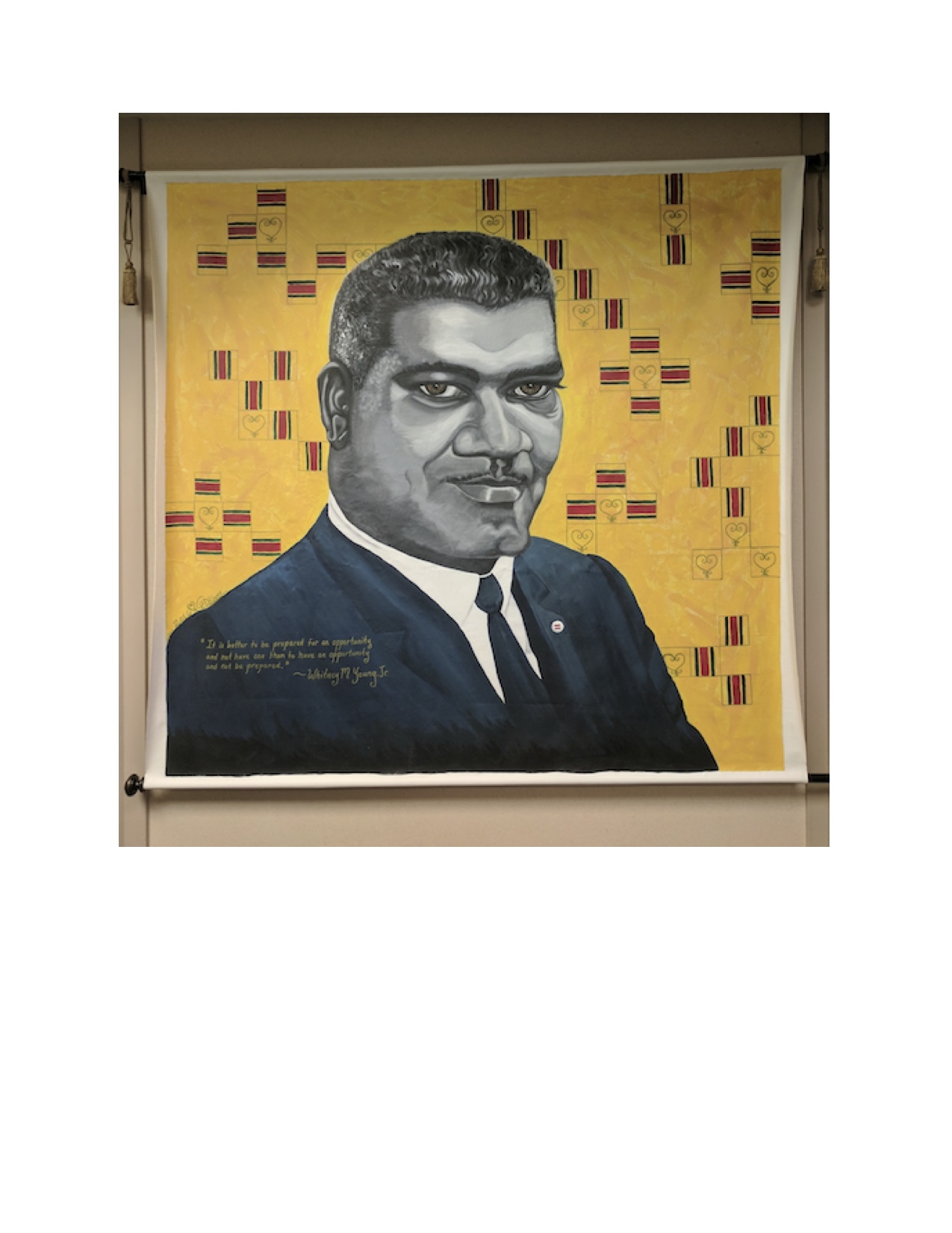
Soon after the local affiliate’s start, the Great Depression hit. The then-Omaha Urban League carried out the national charter before transitioning into a community center (housed at the Webster Exchange Building) hosting social-recreational activities as well as doing job placements. In the 1940s, the Omaha League returned to its social justice roots by addressing ever more pressing housing and job disparities. When the late Whitney Young Jr. came to head the League in 1950, he took the revitalized organization to new levels of activism before leaving in 1953. He went on to become national UL executive director, he spoke at the March on Washington and advised presidents. A mural of him is displayed in the ULN lobby.
Warren’s an admirer of Young, “the militant mediator,” whose historic civil rights work makes him the local League’s great legacy leader. In Omaha, Young worked with white allies in corporate and government circles as well as with black churches and the militant social action group the De Porres Club led by Fr. John Markoe to address discrimination. During Young’s tenure, modest inroads were made in fair hiring and housing practices.
Long after Young left, the Near North Side suffered damaging blows it’s only now recovering from. The League, along with the NAACP, 4CL, Wesley House, YMCA, Omaha OIC and other players responded to deteriorating conditions through protests and programs.
League stalwarts-community activists Dorothy Eure and Lurlene Johnson were among a group of parents whose federal lawsuit forced the Omaha Public Schools to desegregate. ULN sponsored its own community affairs television program, “Omaha Can We Do,” hosted by Warren’s mentor, Charles Washington.
Mary Thomas has worked 43 years at ULN, where she’s known as “Mrs. T.” She said Washington and another departed friend, Dorothy Eure, “really helped me along the way and guided me on some of the things I got involved in in civil rights. Thanks to them, I marched against discrimination, against police brutality, for affirmative action, for integrated schools.”
Rozalyn Bredow, ULN director of Employment and Career Services, said being an Urban Leaguer means being “involved in social programs, activism, voter rights, equal rights, women’s rights – it’s wanting to be part of the solution, the movement, whatever the movement is at the time.”
In the 1980s and 1990s, ULN changed to being a social services conduit under George Dillard.
“We called George Dillard Mr. D,” said Mrs. T. “A very good, strong man. He knew the Urban League movement well.”
She said the same way Washington and Eure schooled her in ciivl rights, Dillard and his predecessor, George Dean, taught her the Urban League movement.
“We were dealing with a multiplicity of issues at that particular time,” Dillard said, “and I imagine they’re still dealing with them now. At the time I took over, the organization had been through two or three different CEOs in about a five year period of time. That kind of turnover does not stabilize an organization. It hampers your program and mission.”
Dillard got things rolling. He formed a committee tasked with monitoring the Omaha Public Schools desegregation plan “to ensure it did not adversely affect our kids.” He implemented a black community roundtable for stakeholders “to discuss issues affecting our community.” He began a black college tour.
After his departure, ULN went through another quick succession of directors. It struggled meeting community expectations. Upon Thomas Warren’s arrival, regaining credibility and stability became his top priority. He began by reorganizing the board.
“When I started here in 2008 we had eight employees and an operating budget of $800,000, which was about $150,000 in the red,” Warren said. “Relationships had been strained with our corporate partners and with our donor-philanthropic community, including United Way. My first order of business was to restore our reputation by reestablishing relationships.”
His OPD track record helped smooth things over.
“As we were looking to get support for our programs and services, individuals were willing to listen to me. They wanted to know we would be administering quality services. They wanted to know our goals and measurable outcomes. We just rolled up our sleeves and went to work because during the recession there was a tremendous increase in demand for services. Nonprofits were struggling. But we met the challenge.
“In the first five years we doubled our staff. Tripled our budget. Currently, we manage a $3 million operating budget. We have 34 full-time employees. Another 24 part-time employees.”
Under Warren. ULN’s twice received perfect assessment scores from on-site national audits.
“It’s a standard of excellence for our adherence to best practices and compliance with the Urban League’s articles of affiliation,” he said.
Financially, the organization’s on sound footing.
“We’ve done a really admirable job of diversifying our revenue stream. More than 85 percent of our revenue comes from sources other than federal and state grants,” said board chair Jason Hansen. “We have a cash reserve exceeding what the organization’s entire budget was in 2008. It’s really a testament to strong fiscal management – and donors want to see that.”
“It was very important we manage our resources efficiently,” Warren said.
Along the way, ULN itself has been a jobs creator by hiring additional staff to run expanding programs.
“The growth was incremental and methodical,” Warren said, “We didn’t want to grow too big, too fast. We wanted to be able to sustain our programs. Our ability to administer quality programs got the support of our donor-philanthropic-corporate-public communities.
“We have been able to maintain our workforce and sustain our programs. The credit is due to our staff and to the leadership provided by our board of directors.”
Warren’s 10 years at the top of ULN is the longest since Dillard’s reign from 1983 to 2000. Under Warren, the organization’s back to more of its social justice past.
Even though Mrs. T’s firebrand activism is not the League’s style, sometimes causing her to clash with the reserved Warren, whom she calls “Chief,” she said they share the same values.
“We just try to correct the wrong that’s done to people. I always have liked to right a wrong.”
She also likes it when Warren breaks his reserve to tell it like it is to corporate big wigs and elected officials.
“When he’s fighting for what he believes, Chief can really be angry and forceful, and they can’t pull the wool over his eyes because he sees through it.”
Mrs. T feels ULN’s back to where it was under Dillard.
“It was very strong then and I feel it’s very strong now. In between Mr. D and Chief, we had a number of acting or interim directors and even though those people meant well, until you get somebody solid, you’ve got a weakness in there.”
Pat Brown agrees. She’s been an Urban Leaguer since 1962. Her involvement deepened after joining the ULN Guild in 1968. The Guild’s organized everything from a bottillon to fundraisers to nursing home visits.
“Things were hopping. We had everything going on and everything running smoothly taking part in community things, working with youth, putting on events.”
She sees it all happening again.
Kathy J. Trotter also has a long history with the League. She reactivated the guild, which is ULN’s civic engagement-fundraising arm. She said countless volunteers, including herself, have “grown” through community service, awareness and leadership development through Guild activities. She chaperoned its black college tour for many years.
Trotter likes “to share our vision that a strong African- American community is a better Nebraska” with ULN’s diverse collaborators and partners.
Much of ULN’s multicultural work happens behind-the-scenes with CEOs, elected officials and other stakeholders. ULN volunteers like Trotter, Mrs. T and Pat Brown as well as Warren and staff often meet notables in pursuit of the movement’s aims.
“I don’t think people realize the amount of work we do and the sheer number of programs and services we provide in education, workforce development, violence prevention,” Jason Hansen said. “We have programs and services tailored to fit the community.”
Most are free.
“When you talk about training the job force of tomorrow, it begins with youth and education,” Hansen said. “We’ve seen a significant rise of African-Americans with a four-year college degree. That’s going to provide a better pipeline of talent to serve Omaha.”
Warren devised a strategic niche for ULN.
“We narrowed our focus on those areas where we not only felt we have expertise but where we could have the greatest impact,” he said. “If we have clients who need supportive services, we simply refer them.”
Some referrals go to neighbors Salem Baptist Church, Charles Drew Health Center, Family Housing Advisory Services, Omaha Small Business Network and Omaha Economic Development Corporation.
“We feel we can increase our efficiency and capacity by collaboration with those organizations.”
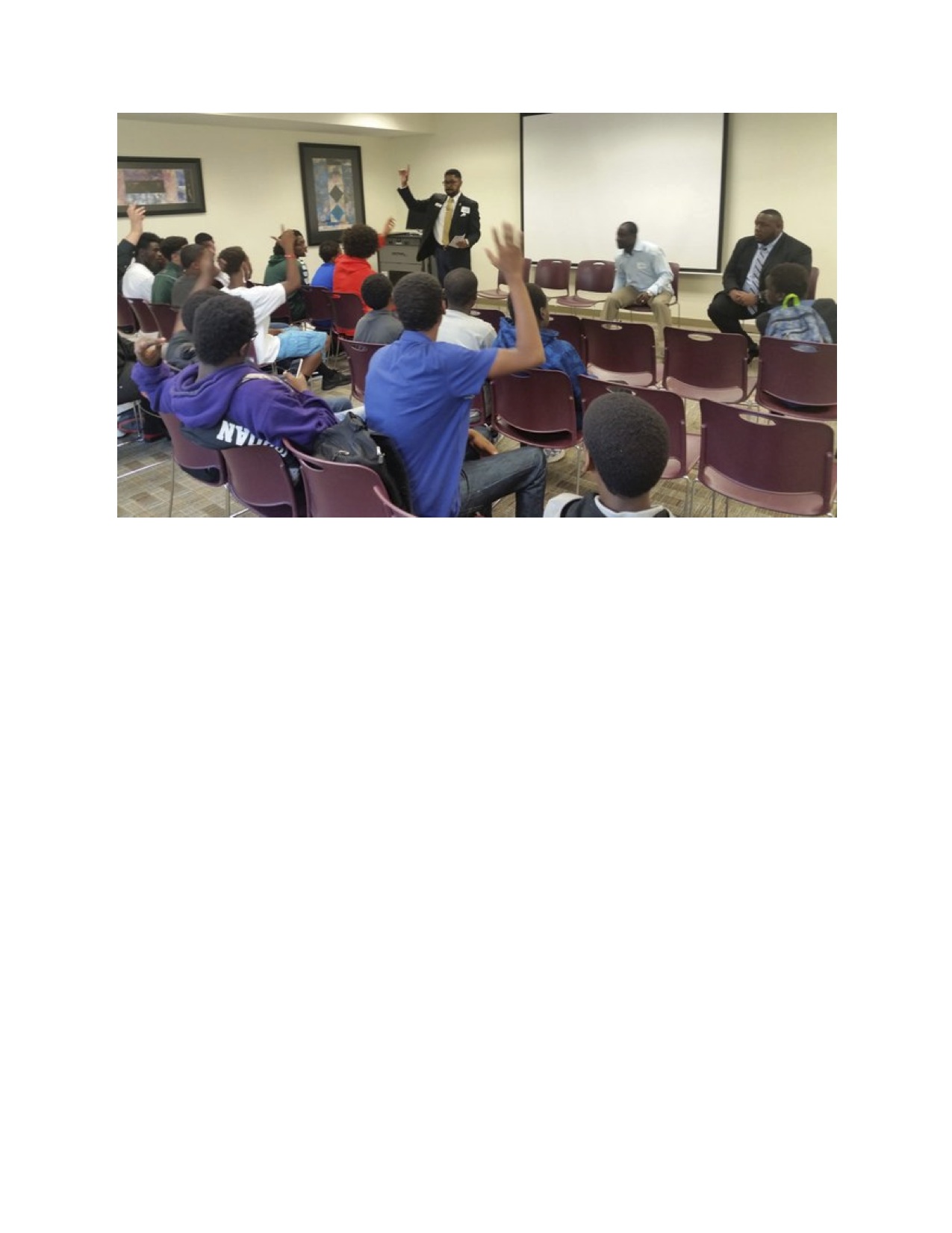
EDUCATION
Since refocusing its efforts, ULN regularly lands grants and contracts to administer education programs for entities like Collective for Youth.
ULN works closely with the Omaha Public Schools on addressing truancy. It utilizes African-American young professionals as Youth Attendance Navigators to mentor target students in select elementary and high schools to keep them in school and graduating on time.
Community Coaches work with at-risk youth who may have been in the juvenile justice system, providing guidance in navigating high school on through college.
ULN also administers some after school programs.
“Many of these kids want to know someone cares about their fate and well-being,” Warren said. “It’s mentoring relationships. We can also provide supportive services to their families.”
The Whitney Young Jr. Academy and Project Ready provide students college preparatory support ranging from campus tours to applications assistance to test prep to essay writing workshops to financial aid literacy.
“Many of them are first-generation college students and that process can be somewhat demanding and intimidating. We’re going to prepare the next generation of leaders here and we want to make sure they’re ready for school, for work, for life.”
Like other ULN staff, Academy-Project Ready coordinator Nicole Mitchell can identify with clients.
“Growing up in the Logan Fontanelle projects, I was just like the students I work with. There’s a lot I didn’t get to do or couldn’t do because of economics or other barriers, so my heart and passion is to make sure that when things look impossible for kids they know that anything is possible if you put the work and resources behind it. We make sure they have a plan for life after high school. College is one focus, but we know college is not for everyone, so we give them other options besides just post-secondary studies.”
“We want to make sure we break down any barrier that prevents them from following their dreams and being productive citizens. Currently, we have 127 students, ages 13 to 18, enrolled in our academy.”
Whitney Young Jr. Academy graduates are doing well.
“We currently have students attending 34 institutions of higher education,” said ULN College Specialist Jeffrey Williams. “Many have done internships. Ninety-eight percent of Urban League of Nebraska Scholarship recipients are still enrolled in college going back to 2014. One hundred percent of recipients are high school graduates, with 79% of them having GPAs above 3.0.”
Warren touts the student support in place.
“We work with them throughout high school with our supplemental ed programs, our college preparatory programs, making sure they graduate high school and enroll in a post-secondary education institution. And that’s where we’ve seen significant improvements.
“When I started at the Urban League, the graduation rate for African-American students was 65 percent in OPS. Now it’s about 80 percent. That’s statistically significant and it’s holding. We’ve seen significant increases in enrollment in post-secondary – both in community colleges and four-year colleges and universities. UNO and UNL have reported record enrollments of African-American students. More importantly, we’ve seen significant increases in African-Americans earning bachelor degrees – from roughly 16 percent in 2011 to 25 percent in 2016.”
With achievement up, the goal is keeping talent here.
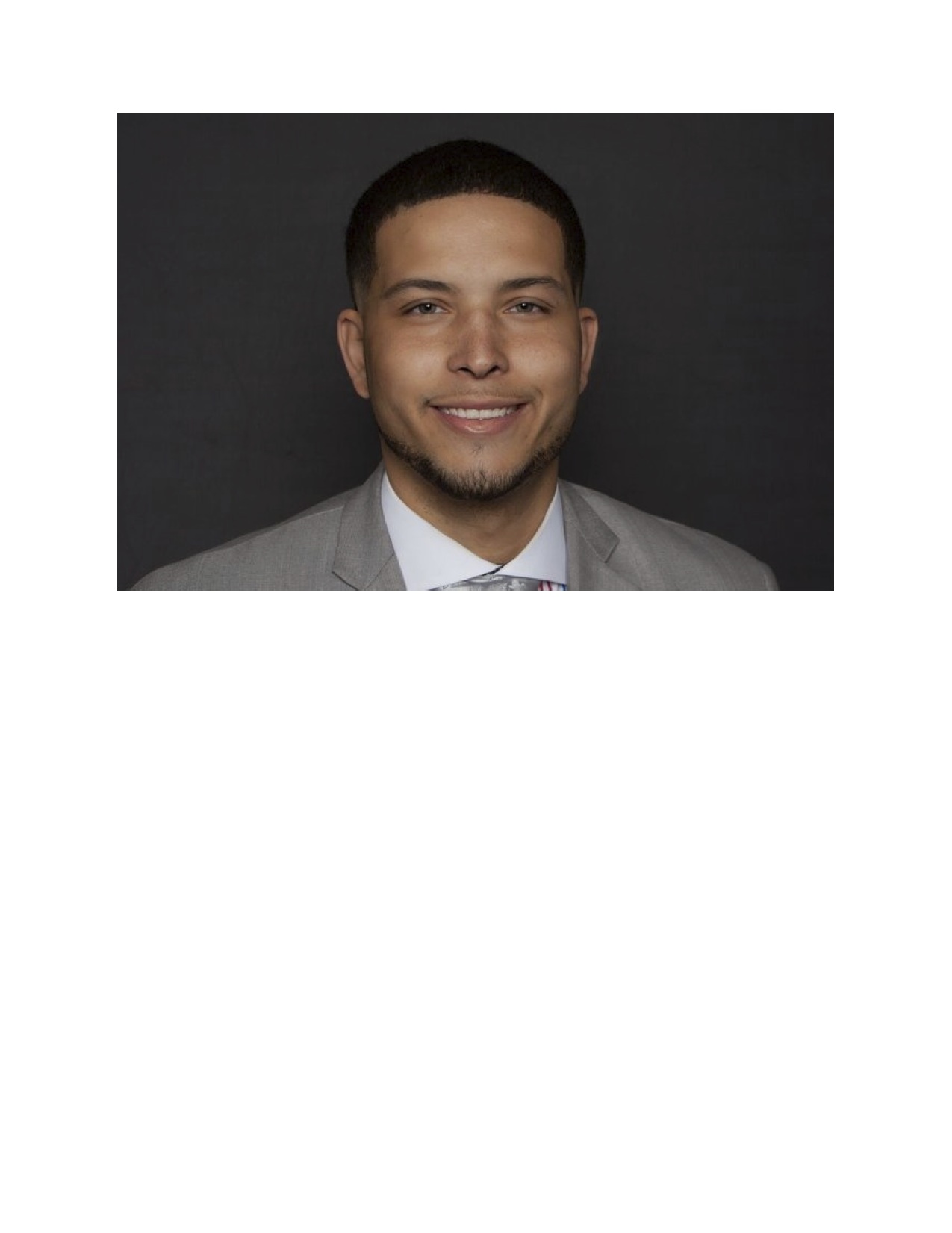
TALENT RETENTION
A survey ULN did in partnership with the Omaha Chamber of Commerce confirmed earlier findings that African-American young professionals consider Omaha an unfavorable place to live and work. ULN has a robust young professionals group.
“It was a call to action to me personally and professionally and for our community to see what we can do cultivate and retain our young professionals,” Warren said. “The main issues that came up were hiring and promotions, professional growth and development, mentoring and pay being commensurate with credentials. There was also a strong interest in entrepreneurship expressed.
“Millenials want to work in a diverse, inclusive environment. If we don’t create that type of environment, they’re going to leave. We want to use the results as a tool to drive some of these conversations and ultimately have an impact on seeing things change. If we are to prosper as a community, we have to retain our talent as a matter of necessity.We export more talent than we import. We need to keep our best and brightest. It’s in our own best interest as a community.”
The results didn’t surprise Richard Webb, ULN Young Professionals chair and CEO of 100 Black Men Omaha.
“I grew up in this community, so I definitely understand the atmosphere that was created. We’ve known the problems for a long time, but it seemed like we never had never enough momentum to make any changes. With the commitment and response we’ve got from the community, I feel there’s a lot of momentum now for pushing these issues to the front and finding solutions.”
“Corporate Omaha needs to partner with us and others on how we make it a more inclusive environment,” Jason Hansen said.
With the North O narrative changing from hopeless to hopeful, Hansen said, “Now we’re talking about how do we retain our African-American young talent and keep them vested in Omaha and I’d much rather be fighting that problem than continued increase in poverty and violence and declining graduation rates.
Webb’s attracted to ULN’s commitment to change.
“It’s representing a voice to empower people from the community with avenues up and out. It gathers resources and put families in better positions to make it out of The Hood or into a situation where they’re -self-sustaining.”
CAREER READINESS
On the jobs front, ULN conducts career boot camps and hosts job fairs. It runs a welfare to work readiness program for ResCare.
“We administer the Step-Up program for the Empowerment Network,” Warren said. “We case managed 150-plus youth this past summer at work sites throughout the city. We provide coaches that provide those youth with feedback and supervise their performance at the worksites.”
Combined with the education pieces, he said, “The continuum of services we offer can now start as early as elementary school. We can work with youth and young adults as they go on through college and enter into their careers. Kids who started with us 10 years ago in middle school are enrolled in college now and in some cases have finished school and entered the workforce.”
The Urban League maintains a year-round presence in the Community Engagement Center at the University of Nebraska at Omaha.
Olivia Cobb is part of another population segment the League focuses on: adults in adverse circumstances looking to enhance their education and employability.
Intensive case management gets clients job-school ready.
After high school, Cobb began studying nursing at Metropolitan Community College but gave birth to two children and dropped out. Through the Workforce Innovation and Opportunity Act program ULN administers, the single mom got the support she needed to reenter school. She’s on track to graduate with a nursing degree from Iowa Western Community College.
“I just feel like I’ve started a whole new chapter of my life,” Cobb said. “I was discouraged for awhile when I started having children. I thought I was going to have to figure something else out. I’m happy I started back. I feel like I’ve put myself on a whole new level.
“The Urban League is like another support. I can always go to them about anything.”
George Dillard said it’s always been this way.
“A lot of the stuff the Urban League does is not readily visible. But if you talk with the clients who use the Urban League, you’ll find the services it provides are a welcome addition to their lives. That’s what the Urban League is about – making people’s lives easier.”
ULN’s Rozalyn Bredow said Cobb is one of many success stories. Bredow’s own niece is an example.
“She wanted to be a nurse but she became a teen parent. She went to Flanagan High, graduated, did daycare for awhile. She finally came into the Workforce Innovation program. She went to nursing school and today she’s a nurse at Bergan Mercy.”
Many Workforce Innovation graduates enter the trades. Nathaniel Schrawyers went on to earn his commercial driver’s license at JTL Truck Driver Training and now works for Valmont Industries.
Like Warren, Bredow is a former law enforcement officer and she said, “We know employment helps curb crime. If people are employed and busy, they don’t have a whole lot of time to get into nonsense. And we know people want to work. That’s why we’ve expanded our employment and career services.”
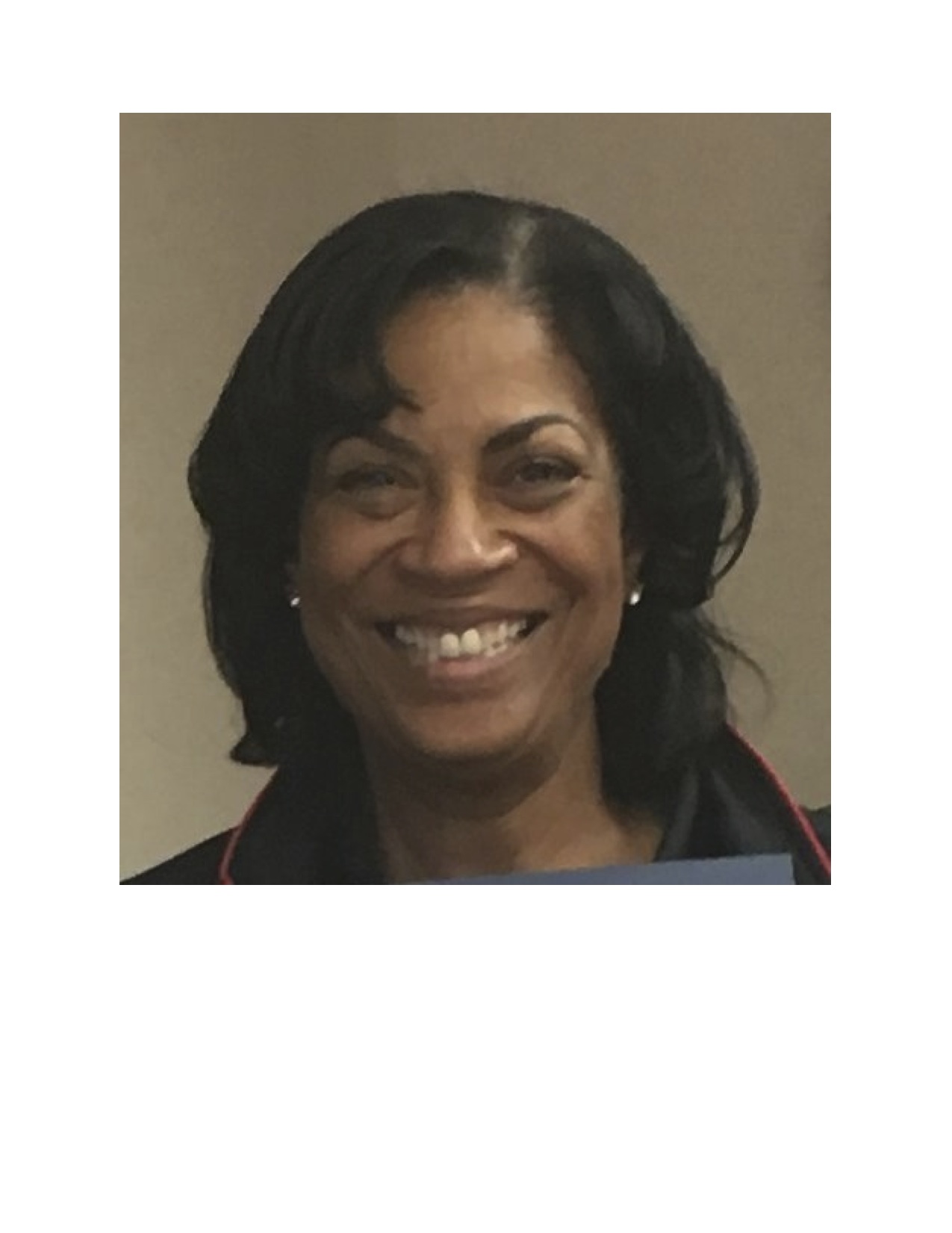
VIOLENCE PREVENTION
The League’s violence prevention initiatives include: Credit recovery to obtain a high school diploma; remedial and tutorial education; life skills management; college prep; career exploration; and job training.
“Gun assaults in the summer months in North Omaha are down 80 percent compared to 10 years ago,” Warren said. “That means our community is safer. Also,the rate of confinement at the Douglas County Youth Center is down 50 percent compared to five years ago. That means our youth and young adults are being engaged in pro-social activities and staying out of the system – leading productive lives and becoming contributing citizens.”
Warren co-chairs the Juvenile Detention Alternatives Initiative. “Our work is designed to keep our youth out of the system or to divert those that have been exposed to the system to offer effective intervention strategies.”
Richard Webb said having positive options is vital.
“It’s a mindset thing. Whenever people are seeing these resources available in their community to make it to greatness, then they do start changing their minds and realizing they do have other options.
“Growing up, I didn’t feel I had too many options in my footprint. My mom was below poverty level. My dad wasn’t in the house.”
But mentoring by none than other than Thomas Warren helped him turn his life around. He finished high school. earned an associates degree from Kaplan University and a bachelor’s degree from UNO. After working in sales and marketing, he now heads a nonprofit.
Wayne Brown, ULN vice president of programs, knows the power of pathways.
“My family was part of the ‘alternative economy.’ It was the family business. My junior year at Omaha Benson I was bumping around, making noise, when an Urban League representative named Chris Wiley grabbed me by the ear and gpt me to take the college and military assessment tests. He made sure I went on a black college tour. I met my wife on that tour. I got a chance to be around young people going in the college direction and I had a good time.”
Brown joined the Army after graduating high school and after a nine year service career he graduated from East Tennessee State University and Creighton Law School. After working for Avenue Scholars and the Omaha Community Foundation, he feels like he’s back home.
“I wouldn’t have been able to do all that if I hadn’t done what Mr. Wiley pushed me to do. So the Urban League gave me a start, a path to education and employment and a sense of purpose I didn’t have before.”
Informally and formally, ULN’s been impacting lives for nine decades.
“To be active in Omaha for 90 years, to have held on that long, is fantastic,” Pat Brown said. “Some affiliates have faltered and failed and gone out of business. But to think we’re still working and going strong says something. I hope I’m around for the 100th anniversary.”
Mrs. T rues the wrongs inflicted on the black community. But she’s pleased the League’s leading a revival.
“I’ve seen some good changes. It makes me feel good we are still here and still standing and that I’m around to see that. It’s a good change that’s coming.”
Visit http://www.urbanleagueneb.org.
Futures at stake for Dreamers with DACA in question
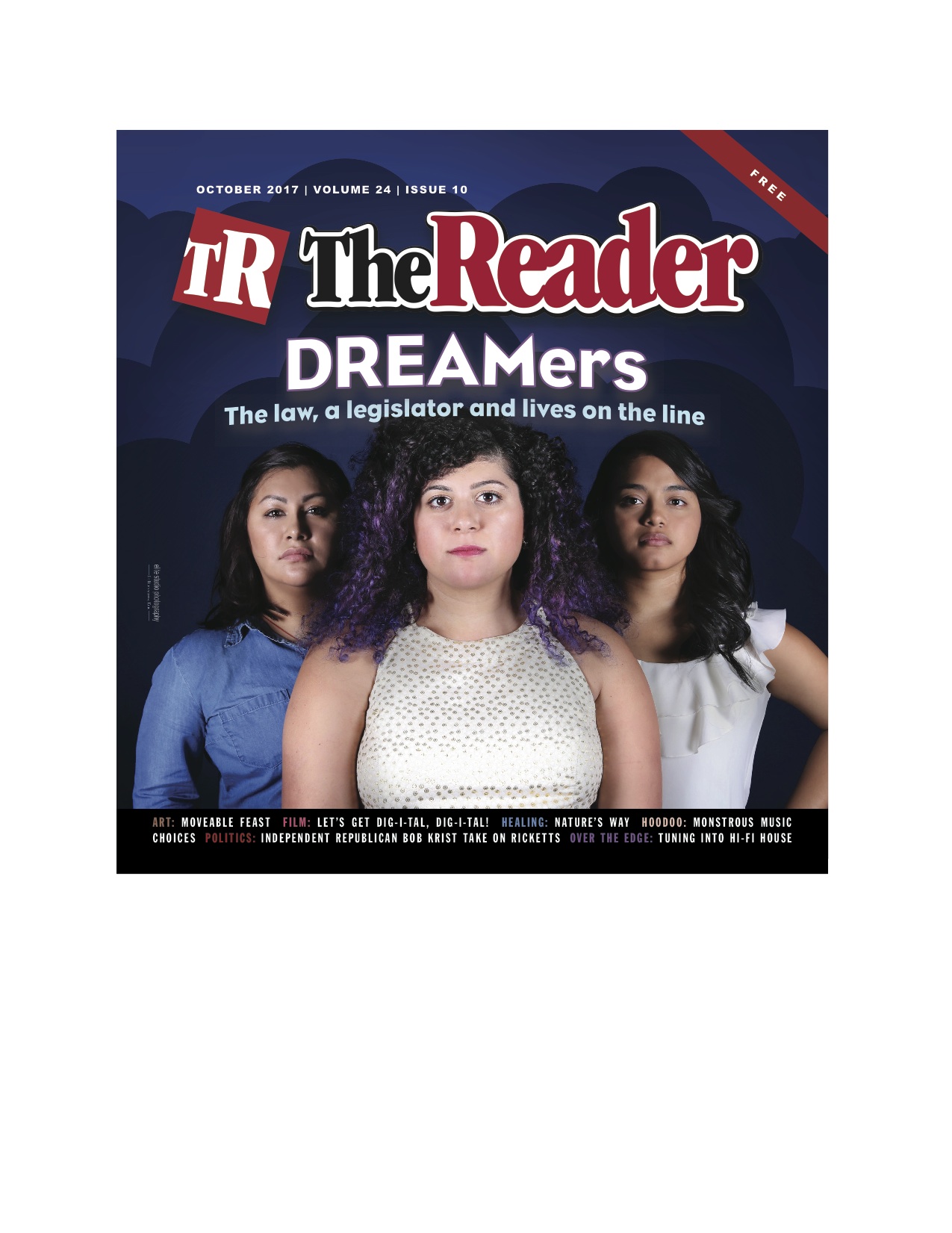
Here is a followup to a story I did earlier this year about DACA or Deferred Action for Childhood Arrivals. This executive order program of protections means everything to recipients. These so-called Dreamers and their supporters speak passionately about the need to keep DACA around and describe the devastating impact that losing it would have on recipients’ lives. President Trump has sent conflicting messages where immigration is concerned, No sooner did he decide to end the program or have it rescinded, then he gave Congress a deadline to find a compromise that would extend or solidify the program and therefore prevent young people who entered the country illegally as children from being deported and from losing certain privileges that allow them to work, obtain licenses, et cetera. My new story is part of the cover package in the October 2017 issue of The Reader (www.thereader.com).
Futures at stake for Dreamers with DACA in question
©by Leo Adam Biga
Appeared in The Reader (www.thereader.com)
When, on September 5, President Donald Trump appealed to his base by ending Deferred Action for Childhood Arrivals (DACA), a generation of American strivers became immigration reform’s collateral damage.
He’s since given Congress six months to enact a plan reinstating DACA protection from deportation for so-called DREAMers in exchange for more robust border security. DACA also provides permits for undocumented youth to work, attend school and obtain driver’s and professional licenses. Given the political divide on illegal immigrants’ rights, it’s unclear if any plan will provide DREAMers an unfettered permanent home here.
Thus, the futures of some 800,000 people in America (about 3,400 Nebraskans) hang in the balance. As lawmakers decide their status, this marginalized group is left with dreams deferred and lives suspended – their tenuous fate left to the capricious whims of power.
The situation’s created solidarity among DREAMers and supporters. Polls show most Americans sympathize with their plight. A coalition of public-private allies is staging rallies, pressing lawmakers and making themselves visible and heard to keep the issue and story alive.
Alejandra Ayotitla Cortez, who was a child when her family crossed illegally from Mexico, has raised her voice whenever DACA’s under assault. The University of Nebraska-Lincoln senior and El Centro de las Americas staffer has spoken at rallies and press conferences and testified before lawmakers.
“As Dreamers, we have been used as a political game by either party. Meanwhile, our futures and our contributions and everything we have done and want to do are at stake,” she said. “For a lot of us, having that protection under DACA was everything. It allowed us to work, have a driver’s license, go to school and pursue whatever we’re doing. After DACA ends, it affects everything in our life.
“It is frustrating. You’re trying to do things the right way. You go through the process, you pay the fees, you go to school, work, pay taxes, and then at the end of the day it’s not in your hands.”
If she could, she’d give Trump an earful.
“Just like people born here are contributing to the country, so are we. It’s only a piece of paper stopping us from doing a lot of the things we want to do. As immigrants, whether brought here as an infant or at age 10, like myself, we are contributing to the nation financially, academically, culturally. All we want is to be part of our communities and give back as much as we can. It’s only fair for those who represent us to respect the contributions we have made and all the procedures we’ve followed as DACA recipients.”
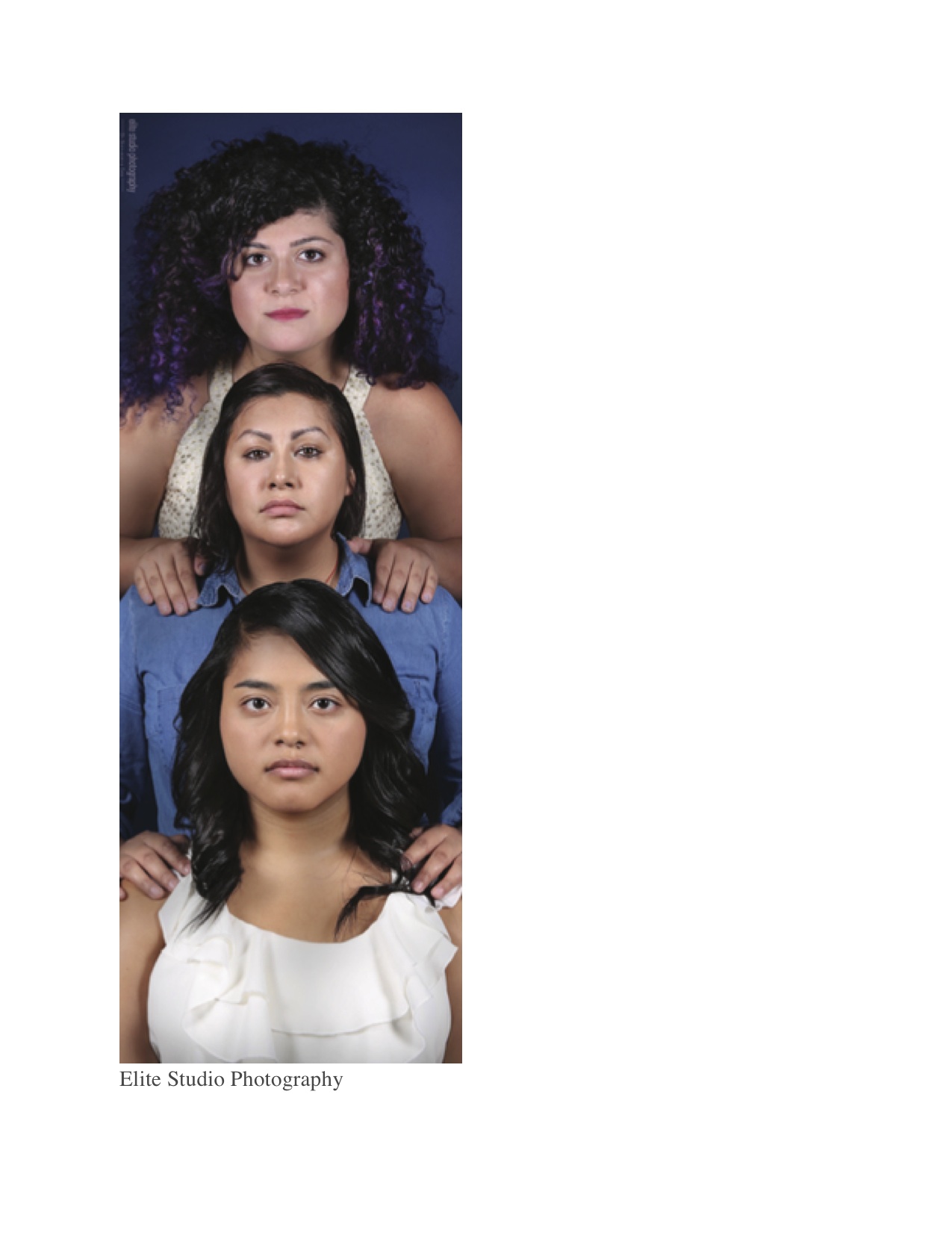
Justice for Our Neighbors (JFON) legal counsel Charles Shane Ellison is cautiously optimistic.
“I’m hopeful lawmakers can do whatever negotiating they need to do to come up with a common sense, bipartisan path to protect these young people. It makes no sense whatsoever to seek to punish these young people for actions over which they had no control.
“These are, in fact, the very kinds of young people we want in our country. Hard working individuals committed to obtaining higher education and contributing to their communities. It’s incumbent upon lawmakers to find a fair solution that does not create a whole category of second class individuals. Dreamers should have a pathway to obtain lawful permanent resident status and a pathway to U.S. citizenship.”
Tying DACA to border control concerns many.
“I wouldn’t feel comfortable if that was a compromise we had to arrive at,” Cortez said, “because it’s unnecessary to use a national security excuse and say we need increased border enforcement when in reality the border’s secure. It would be a waste of tax money and energy to implement something that isn’t necessary.”
Ellison opposes attempts to connect the human rights issue of DACA with political objectives or tradeoffs.
Not knowing what Trump and the GOP majority may do is stressful for those awaiting resolution.
“It’s always having to live with this uncertainty that one day it could be one thing and another day something else,” Cortez said. “It can paralyze you sometimes to think you don’t know what’s going to happen next.”
“We could have made this a priority without inserting so much apprehension into a community of really solid youth we want to try to encourage to stay,” Ellison said.
To ease fears, JFON held a September 7 briefing at College of Saint Mary.
“It was an effort to get information in the hands of DACA recipients and their allies,” Ellison said. “We had more than 400 people show up.”
Moving forward, he said, “it’s imperative” DREAMers get legal advice
“Some studies show 20 to 30 percent of DACA youth could be potentially eligible for other forms of relief that either got missed or they’ve since become eligible for after obtaining DACA. If, with legal counsel, they decide to renew their Deferred Action, they have until October 5 to do so. We provide pro-bono legal counsel and we’ll be seeing as many people as we can.”
Ellison said nothing can be taken for granted.
“It’s so important not just for DACA youth to take certain action For people who want to stand with DACA youth, now is not the time to be silent – now is the time to contact elected representatives and urge them to do the right thing.”

Alejandra Escobar, a University of Nebraska at Omaha sophomore and Heartland Workers Center employee, is one of those allies. She legally emigrated to the U.S. six years ago. As coordinator of Young Nebraskans in Action, she leads advocacy efforts.
“Most of my friends are DREAMers. I started getting involved with this issue because I didn’t know why my friends who were in this country for all their lives couldn’t be treated the same as I was. I didn’t think that was fair. This is their home, They’ve worked and shown they deserve to be here.
“There has been a lot of fear and this fear keeps people in a corner. I feel like what we do makes DACA recipients know they’re not alone. We’re trying to organize actions that keep emphasizing the importance of the protection for DACA recipients and a path to citizenship and that empower them.”
She feels her generation must hold lawmakers accountable.
“I’d like lawmakers to keep in mind that a lot of us allies protecting DREAMers are 18-19 years old that can vote and we’re going to keep civically engaged and emphasizing this issue because it’s really important.”
As a UNO pre-law student who works in an Omaha firm practicing immigration law, Linda Aguilar knows the fragile legal place she and fellow DREAMers occupy. She was brought illegally to America at age 6 from Guatemala and has two younger siblings who also depend on DACA. But she’s heartened by the support that business, labor and other concerns are showing.
“It has inspired me to continue being active and sharing with elected officials how much support there is for the DACA community.”
She hesitated speaking at a public event making the case for DACA before realizing she didn’t stand alone.
“Just knowing that behind me, around me were other DREAMers and I was there supporting them and they were there supporting me made me feel a lot stronger. Because we’re all in the same position, we all know what it feels like, we all walk in the same shoes.”
Alejandra Ayotitla Cortez won’t just be waiting for whatever happens by the March 5 deadline Trump’s given Congress.
“I am hoping for the best, but I am also taking action. not only me just hoping things will get better, it’s me educating my community so they know what actions we can take, such as calling our elected representatives to take action and to listen to our story and understand how urgent this is.”
Cortez, too, finds “encouraging” support “from people across the state, from leaders, from some of our state senators in Lincoln, from UNL professors and classmates.”
The Nebraska Immigration Legal Assistance hotline is 1-855-307-6730.
Frank LaMere: A good man’s work is never done

Frank LaMere: A good man’s work is never done
©by Leo Adam Biga
Originally appeared in The Reader (www.thereader.com)
Frank LaMere, self-described as “one of the architects of the effort to shutdown Whiteclay,” does not gloat over recent rulings to deny beer sellers licenses in that forlorn Nebraska hamlet.
A handful of store owners, along with producers and suppliers, have profited millions at the expense of Oglala-Lakota from South Dakota’s nearby Pine Ridge Reservation, where alcohol is banned but alcoholism runs rampant. A disproportionate number of children suffer from Fetal Alcohol Syndrome (FAS). Public drunkenness, panhandling, brawls and accidents, along with illicit services in exchange for alcohol, have been documented in and around Whiteclay. Since first seeing for himself in 1997 “the devastation” there, LaMere’s led the epic fight to end alcohol sales in the unincorporated Sheridan County border town.
“This is a man who, more than anyone else, is the face of Whiteclay,” said Lincoln-based journalist-author-educator Joe Starita, who’s student-led reporting project — http://www.woundsofwhiteclay.com — recently won the Robert F. Kennedy Human Rights Journalism grand prize besting projects from New Yorker, National Geographic and HBO. “There is nobody who has fought longer and fought harder and appeared at more rallies and given more speeches and wept more tears in public over Whiteclay than Frank LaMere, period.”
LaMere, a native Winnebago, lifelong activist and veteran Nebraska Democratic Party official, knows the battle, decided for now pending appeal, continues. The case is expected to eventually land in the Nebraska Supreme Court. Being the political animal and spiritual man he is, he sees the Whiteclay morass from a long view perspective. As a frontline warrior, he also has the advantage of intimately knowing what adversaries and obstacles may appear.
His actions have gotten much press. He’s a key figure in two documentaries about Whiteclay, But his social justice work extends far beyond this specific matter.
“I’ve been involved in many issues in my life,” he said.
Indeed, he’s stood with farmers, immigrants, persons with disabilities, police misconduct victims, child welfare recipients. He’s opposed the Keystone XL Pipeline.
“I must have marched a hundred times in my life and not always on Native interests. If somebody’s being mistreated and I have time and they come ask me, I don’t care who it is, I’m going to go there. That’s what it’s all about. That’s what drives me in my work.”
LaMere’s fought the good fight over Whiteclay, where he sees a clear and present danger of public health and humanitarian crisis. As a Native person, it’s personal because Whiteclay exists to exploit alcohol intolerance among the Pine Ridge populace. He’s cautiously optimistic things will get better for residents, assuming the courts ultimately uphold the denial of the liquor licenses.
“We’ll see where things go from there,” he said, “but rest assured, things will never be the same at Whiteclay. The only thing I know is that the devastation will never be like it was. I truly believe that.”
Just don’t expect him to do a victory lap.
“There are no wins and losses at Whiteclay. Nobody won, nobody lost, but all of us decided maybe we should begin to respect one another and find a better way. I think we will after the dust settles.”
The state Liquor Control Commission, a district judge and the Nebraska attorney general oppose beer sales happening there again but LaMere knows powerful opposing forces are at work.
“I think Nebraskans have good sense. We know what’s right. But there’s money involved. Whoever controls alcohol at Pine Ridge-Whiteclay controls money, controls county government and until very recently even controls state government. I am unequivocal on that. I understand what’s going on here. You’re talking about tens of millions of dollars and we’re threatening that, and when you threaten that, you know, you get a reaction.”
He said he’s received threats. He and fellow Whiteclay advocate, Craig Brewer, went there the day after the sellers lost their licenses.
“There was a foreboding I had all that day I’ve never had in my life,” LaMere said. “It was strange to me. I’ve been dealing with things my whole life and never been afraid. But this time I was looking at different scenarios having to do with the volatility there and if things didn’t work right what could happen to me. Maybe it’s aging. Maybe it was the newness of the situation. I don’t know.
“We got up there very apprehensive about what we were going to encounter, maybe from the beer sellers or from those who support the sellers or maybe from their hired associates. We didn’t know what to expect, but we went up there because that’s what we do – and everything worked out. The right thing happened.”
The sellers did not open for business.
“I told a reporter we went up to look the devil in the eye and the devil wasn’t there, and I don’t think the devil’s coming back.”
He said attorney David Domina, who represents the interests opposed to alcohol, appeared the same day there in the event something amiss happened.
“It was no coincidence,” LaMere said. “We were to be there that day. A lot of prayers went with us.”
LaMere will maintain a wary watch. “I will continue there to be careful, to be apprehensive, but I’m still not afraid.”
He knows some contentious situations he steps into pose certain dangers.
“I’m a realist, I know how things are.”
He and his wife Cynthia made an unwritten pact years ago not to be at rallies or protests together to ensure they won’t both be in harm’s way.
“I do a lot of things in a lot of places and Cynthia grounds me. She critiques whatever approach I’m taking, always asking, ‘Do you have to do it?’ I’ve learned she’s protective of me. But I also hear from her on many of these issues, ‘Well, why didn’t you say that?’ because she knows Frank, what he’s committed to, and she never questions that.
“I can do something I feel good about and I’ll come home and she’ll tell me the downside that maybe I don’t always want to hear. She’ll give me a perspective I need to hear that sometimes other people won’t give me. She’ll tell me the brutal honest truth. Cynthia’s tough, engaged, committed.”
His admirers marvel at his own doggedness.
“He’s an indefatigable worker and once he latches onto an issue that he sees as a moral challenge, he does not let go, and Whiteclay is a case in point. He’s the most principled man I know,” said Nebraskans for Peace coordinator Tim Rinne.
Joe Starita said LaMere is “hard working for his causes to the point of physical and mental exhaustion.”
“He’s a man who shows up for allies when nobody else is looking,” Nebraska Democratic Party chairman Jane Kleeb said.
Setbacks and losses he’s endured have not deterred him, including a serious stroke that required extensive speech therapy, and the death of his daughter, Lexie Wakan, who was a Creighton University student.
“He’s a man who’s had hardship, yet still continues to get up and stand up,” Kleeb said. “For me, that’s what Frank’s all about – he always shows up.”
For LaMere, it’s a way of life.
“Every day’s a fight, and if you keep fighting you win because others watch that. The impact of Whiteclay will manifest itself hopefully with a win in the Supreme Court and perhaps in some young leader who cares about these things. I’ve been in a hundred struggles in my life, lost almost all of ’em, but I was never afraid, and that’s what I want people to understand.
“If you’re not afraid, people see that as a victory because you cause others to take heart, to persevere, to take action.”
He’s glad his resilience to keep agitating, even in the face of intransigence and tragedy, inspires others.
“I’ll accept that because that’s what it is – you just keep working.”
He likes to say Whiteclay’s implications are “bigger than we can ever fathom.”
“Years from now, we will understand it is way bigger than us. I got to be a bit player. The creator of all things, said, Frank, I’m going to have you see what you can do, and along the way I’m going to cause you to struggle. I’m going to knock you down, and I’m even going to take something from you, and if you keep going, maybe I’ll let you change something.
“That’s the greatest work we can do.”
Reflecting on Whiteclay, he said, “This was an emotional roller coaster for all Nebraskans.” He chalks up the recent breakthrough to divine intervention.
“There’s things happening that are so strange,” he said.
He recalled a hearing in Lincoln on LB 407 introduced by Neb. State Sen. Patty Pansing Brooks to create the Whiteclay Public Health Emergency Task Force. LaMere testified. His son, Manape LaMear, sang a sun dance song. After finishing his sacred song, Manape asked if someone from Sheridan County was there to speak.
“A big guy got up and testified,” said LaMere. “He was asked, ‘Do you have enough law enforcement to take care of Whiteclay?’ and he answered, ‘Absolutely not.’”
“This man said some things absolutely nobody expected him, maybe not himself. to say. If you’re with those (monied) interests of Whiteclay, you’re not supposed to say that, you’re going to be ostracized. But for whatever reason, he told the truth. I attribute that to the powerful prayers said that day.
“You’re watching at Whiteclay a very spiritual journey. There’s something much bigger than us that has brought us to this point – that we would make such a great change for the Oglala Lakota people. I think it’s God’s work. From that I hope things will be better.”
He’s convinced “the greatest impact will not be felt for generations,” but added, “I’ve seen immediate impact right now.”
“I believe there’s a child whose mother and father were together at home and did not drink. I believe children are feeling very good Whiteclay is not open. I believe there’s been prayers by children that their parents be sober. I believe their prayers are very powerful. I think what we’re seeing may have to do with these children and their suffering and their prayers.”
LaMere has disdain for arguments that banning alcohol at Whiteclay will only move the problem elsewhere, thus increasing the danger of drunk drivers.
“Worrying about someone driving down Highway 87 who might get hurt by a drunk driver can’t be our greatest concern. Our greatest concern has to be the health and well-being of hundreds of children crippled in the womb by fetal alcohol syndrome (FAS). I’ve called out many on this. Where are pro-life people? Where’s the church? Children are crippled in the womb tonight and nothing’s said about it because there’s money involved. That’s troubling to me.
“We’ve crippled hundreds of kids in the womb on Pine Ridge – all so somebody can get rich, wrap themselves in a flag, and talk about this model of free enterprise. We cherish that more than we cherish life. It’s ugly to hear that but that’s what we’ve done. But we’ve always been afraid to accept that.”
Attorney John Maisch, whose documentary Sober Indian, Dangerous Indian includes LaMere, said, “I would say Frank’s empathy is what drives him. Frank is in a perpetual state of mourning. Frank has lost many family members and friends to addiction. I think that is partially what drove him to tackle Whiteclay. Frank lost his daughter, Lexie, and I think that is why he’s particularly drawn to fighting for those children, whether Native children lost in our foster care system or suffering from FAS as a result of their mothers drinking on the streets of Whiteclay. He’s drawn to suffering of others because he has also suffered great loss.”
LaMere acknowledged he’s “redoubled” his efforts since losing his daughter.
“And it’s not in any way substitution,” he said. “I don’t see it that way. I look at it very simply that now I stand on the shoulders of my daughter. In all of the things I’m doing right now perhaps I’m as bold as ever, and there’s a reason for that, for that is what she would have me do. If I hedge, she’ll say, ‘Why are you doing that? That is not who you are.’ I even heard her say in her young life: ‘This is my father, this is who he is, and this is what he does, and he does this for the people.’
“All I do for the rest of my life will be done in remembrance of my daughter because she was so committed at a very young age to the things I’m still committed to.”
LaMere’s glad Nebraska may finally own up to its sins.
“At long last Nebraskans have said perhaps it’s time for us to look at this. For once I’m pleased Nebraskans are not going to merely beg the question, they’re going to look at the impact of Whiteclay and maybe we’re going to act and make some of it a little bit better.”
As LaMere sees it, the whole state’s culpable.
“We as Nebraskans are unwittingly, unknowingly responsible for it. We need to act and to mitigate some of those things we’ve helped to cause at Pine Ridge. Even after all this, I say Nebraskans are fair – fair to a fault. Sometimes it takes us so damn long to act.”
The real culprits, he said, are “those in Sheridan County” who’ve turned a blind eye.
“The beer sellers and the rest are going to have hell to pay, not from Frank LaMere, but from the Supreme Court, the Liquor Control Commission, the attorney general, all these other interests, because when they take a good, long hard look at what’s happened, there there’s no way you can reconcile that as being anything close to normal or acceptable.”
As watchdog and conscience, LaMere said he lives out a covenant he made with his creator to serve others.
“I’ve traveled a million miles, spent everything I have, taken time from my family, taken time from myself. At some point, there’s a moral authority you feel. Nobody can give it to you or bestow it on you. Once you acquire it, it means nothing unless there’s a moral imperative that goes with that. I’ve tried to achieve some moral authority and the moral imperative that goes with it.
“I hear every day in my work with different agencies the words ‘by the authority invested in me.’ Means absolutely nothing to me. Doesn’t impress me at all. I don’t care how much authority you have – if you do not use it and if there’s no moral imperative to make things better, it’s meaningless. I meet with those people all the time. They have the authority, but they don’t use it. I’m not being cynical. I have the truth on my side.”
Whiteclay offered duly elected and appointed officials decades of opportunities to act, but they didn’t. LaMere never left the issue or let authorities forget it.
“Sometimes I can go into a room with a hundred people and I have the least amount of authority-power-title, but they have to listen to Frank because he’s put time and energy into it and he’s acquired that moral authority and he uses it. He scares them. They wish he would go away. People have to listen to Frank because he never goes away and there’s nothing in it for him.
“That’s why we made some changes at Whiteclay and that’s how we’re going to make change in our society – gain that moral authority and act.”
LaMere said his greatest asset is the truth.
“Any issues of change, even Whiteclay, you stand with the truth. I’ve learned that over many years. Because once the press conferences, the conventions, the rallies are done, the arrests are made, the petition drives are over, the legislative efforts go by the wayside, the only thing that’s left is the truth. It’s very important you stand with the truth and be recognized having stood with it.
“That’s the only thing that keeps me going. I’m firm, forthright and respectful and always telling the truth. Of late, it has worked in some respects for me.”
If Whiteclay confirmed anything, he said, it’s that “nothing changes unless someone’s made to feel uncomfortable and you have to make yourself uncomfortable.” In dealing with Whiteclay, he said, he expressed his “healthy disrespect for authority.”
“Maybe it’s a character flaw,” he said, “but you can put me in a room with a hundred people and if there’s a bully, before the night’s over I’ll probably butt heads with him.”
As a young man he was active “on the periphery” of the American Indian Movement. Later in life he got close to AIM legends Russell Means and Vernon Bellacourt. The men became allies in many fights.
“I saw Native people and non-Native people be bullied simply because somebody felt they had a position of power over them and whenever I see that I naturally react to that. I don’t care what the issue is, I’ll ask, ‘Who do you think you are? Why are you doing that? Why are you treating him or her that way?’ I’ve said that. I’ve always grown up with that feeling that if somebody is being mistreated, I will always speak up for them.”
Whiteclay offered a microcosm of predatory behavior.
“When I first went to Whiteclay 20 years ago, I took one look and you could see the Natives who went there did not have a voice and were not held in high regard. The owners and residents paid little attention to them. The other thing I saw there was the lawlessness and the mistreatment of vulnerable people being taken advantage of. I saw it and so could everybody else. Then I saw how nobody acted, so I thought perhaps I should give some voice to them.”
The still unsolved murders there of Little John Means, Ronald Hard Heart and Wilson Black Elk weighed on him. The alcohol-related illness and death of others haunted him.
“The alcohol coming out of Whiteclay has killed scores of Lakotas and we’re still waiting for that one white man or white woman, God forbid, who dies on the road between Rushville and Whiteclay.’
The documentary The Battle for Whiteclay shows LaMere at a hearing railing against “the double standard” that overlooks Native deaths.
“It means we feel there’s two classes of citizens here in this state. Would we allow the things in Whiteclay in western Omaha or southeast Lincoln? I don’t think so. Scores of our people … victimized, orphaned, many of our people murdered. God forbid that one young white woman, one white man, die at Whiteclay tonight. We’d shut the damn thing down in the morning, and the pathetic thing about that is we all know that’s the truth.”
LaMere feels that double-standard still exists.
“We want everything at Whiteclay to be just right, but we cannot even take care of the clear and simple. There’s one thing you know you can do under the law – you can shut them down, and they’ve done that, and they’re having problems keeping them shut.”
He refuses to be patronized because he’s learned from experience that playing the game doesn’t get results.
“You’ll pat me on the head and say, Frank, you’re a great guy, I appreciate what you’re bringing to us, but I know in the back of your mind you don’t want to change anything. You’ll even give me a permit to march or picket. But I bet you won’t do that for 20 years. You can handle a year and then say – this damn guy never goes away, perhaps we should sit and listen to him.”
LaMere regrets the one time he took things for granted.
“I made a mistake many years ago. I raised the issue of Whiteclay. We got a lot initiated with then-Gov. (Ben) Nelson. He put together groups of officials from Sheridan County, Pine Ridge, state agencies, and we talked about the lawlessness issues up there. So we got something in the works a long time ago and I appreciated that process. I made the mistake though of thinking it’s a no-brainer. I thought all I have to do is bring this back to Lincoln and Nebraskans will change it.
“I was too hopeful. Many Nebraskans would change it but those in power did not. Where there’s money involved, nothing is a no-brainer. People are going to weigh the money and the impact. Those with influence and monied interests are probably going to win out. That’s what I watched. Whiteclay is perhaps the poster child for greed, not in Neb. but maybe in the whole nation. It ranks up there with Flint (Mich.).”
For too long, he said, the attitude about Whiteclay was, “We know what we’re doing but it’s going to cost us money, it’s going to cost me to do my job in the public trust. Just leave it the way it is.” Because the problem was allowed to persist, he said, “Whiteclay will go down in our history as something we tolerated and that we will forever be ashamed of, and we’re only going to understand that when the Supreme Court makes that final decision to shut ’em down. Then we’re going to take a look at what we’ve truly done.”
Meanwhile, LaMere won’t rest easy. When well-meaning people offer condolences about Lexie and lament her unfulfilled promise, he said he accepts their sympathy but corrects them, saying, “There’s no unfulfilled promise – it’s more for you to do, it’s more for me to do.
“That’s how it is. That keeps me going. That’s the way I’ll be until I’m not here anymore.”
Read more of Leo Adam Biga’s work at leoadambiga.com.
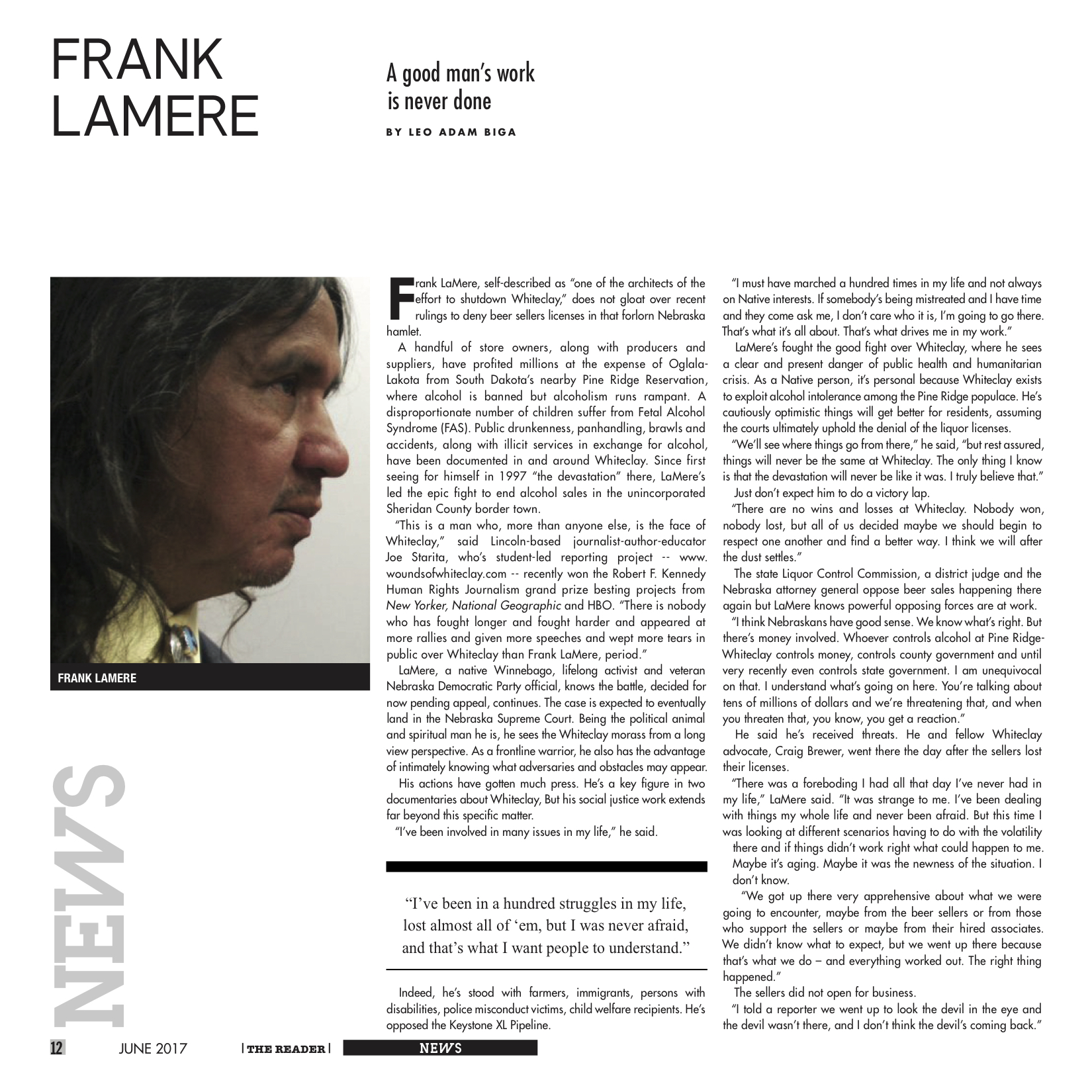
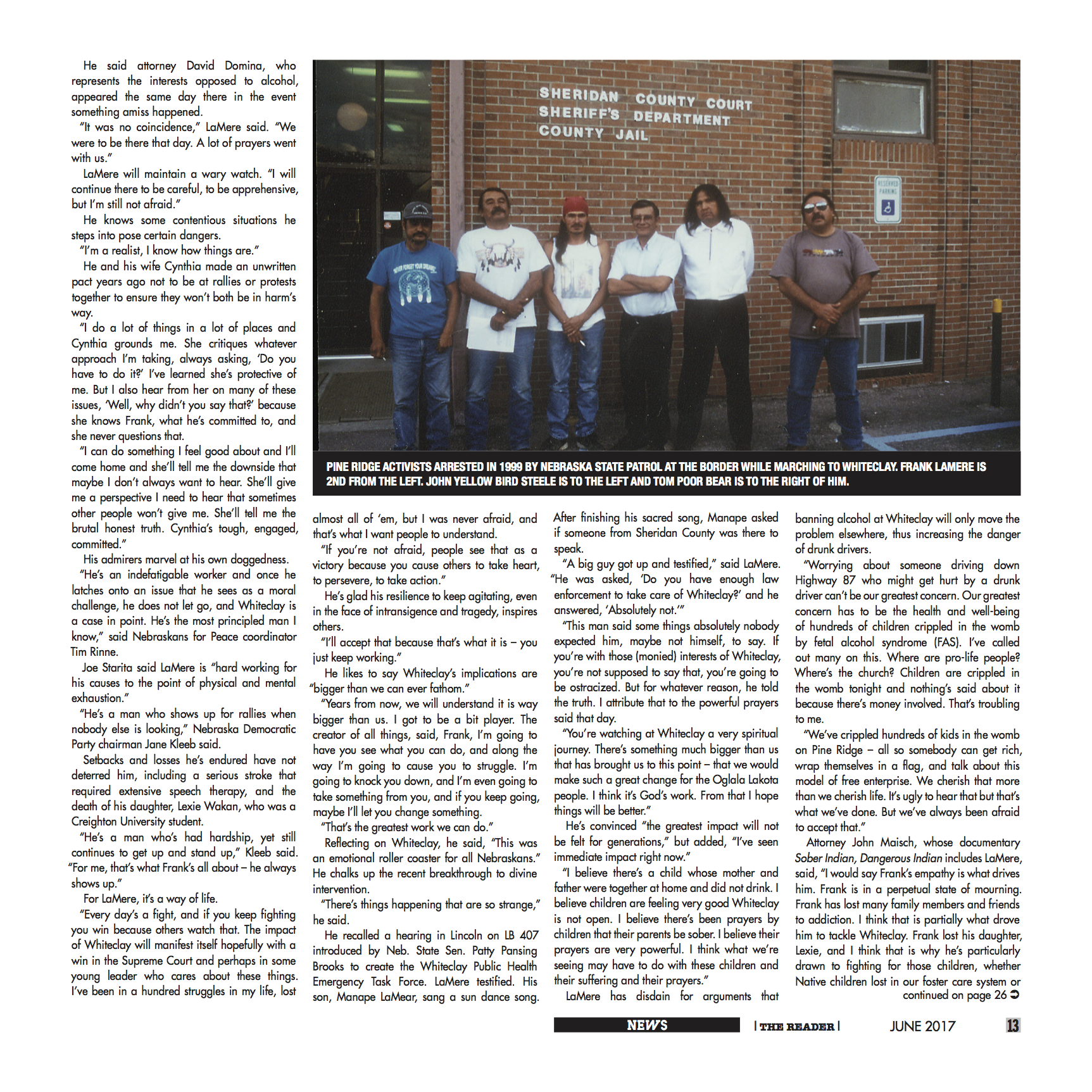
SAFE HARBOR: Activists working to create Omaha Area Sanctuary Network as refuge for undocumented persons in danger of arrest-deportation
SAFE HARBOR: Activists working to create Omaha Area Sanctuary Network as refuge for undocumented persons in danger of arrest-deportation
©by Leo Adam Biga
Appeared in El Perico (el-perico.com)

Undocumented immigrants are among the culture war’s invisible victims. Asylum seekers risk everything to escape dangers in their homeland only to come here and face possible arrest, detainment and deportation. Application of illegal alien policies and laws vary by agents and judges. Defendants are at the mercy of capricious political winds.
Against this uncertain backdrop, some concerned citizens have formed the Omaha Area Sanctuary Network as part of a national safe haven movement. Based on refuge models in places like Austin, Texas, churches here would serve as sanctuary spaces for targets of Immigration and Customs Enforcement or other perceived injustice threats. Current custom and policy prevent ICE agents from going into “sensitive locations.” When arrest is eminent, the network would enact sanctuary. The affected person or persons would remain in sanctuary until their limbo status is resolved.
Recently, the Omaha group mobilized in response to a potential sanctuary situation, despite not yet having a church prepared to fill that role, said Lawrence Jensen, who helped launch the network. He said members volunteered their own homes before the case turned out to be a false alarm. The scenario proved a dry run for the group’s willingness to take action.
Jensen, a Union Pacific retiree, is a member of First United Methodist Church in Omaha, which has hosted network meetings. He attended an earlier event there in which two Guatemalan women who were in Austin sanctuary shared their stories.
“It was really moving to hear the things they had to go through and what was done for them because they were in sanctuary,” Jensen said. “Both of them felt they probably wouldn’t have survived if they went back to Guatemala. They needed a way to stay here.”
He said after the presentation he and others “decided we should try and do something similar,” adding, “It’s a faith issue more than anything to get involved where we see injustices and things that need to be acted on.”
Rev. Cyndi Simpson, a minister at Second Unitarian Church of Omaha, said, “This is absolutely a moral issue, a justice issue and a spiritual issue.” She said it’s “great there are other congregations and religious organizations interested in sanctuary because this will work best if we’re all woking together in a coalition.”
Simpson and Jensen know the network treadis on “tenuous” legal ground.
“There is no legal protection for the church,” Jensen said. “It’s just this policy, which so far has been respected. It could change just by an (executive) order.”
Technically, federal immigration law makes it a violation “for any person to conceal, harbor or shield from detection in any place … any alien who is in the United States in violation of law.”
“It’s not definite a church giving sanctuary would fall under that law, but it’s possible,” Jensen said. “It’s indefinite because it’s never been tested in the current climate.”
Though University of Nebraska at Omaha political science professor Jonathan Benjamin- Alvarado feels sanctuary churches are morally right, he cautions against them.
“The wide latitude granted ICE to ferret out ‘illegals’ would … put churches in the line of fire,” he said. “If schools, courts and government offices have already been deemed fair ground for the apprehension of individuals in violation of deportation orders, churches should take note. It has not happened yet, but if faced with the perception of ‘losing the war’ on immigration … churches may no longer be sacrosanct. An immigration raid on a church would be traumatic and potentially devastating for a church community.”
Simpson’s unswayed, saying, “To me, this is the work we’re called to do. So, let the consequences be what the consequences are. This is civil disobedience and that’s how change happens.”
Sanctuary’s been practiced before in America, Simpson is a veteran of the 1980s movement that took in political refugees fleeing Guatemalan civil war persecution.
“It’s very interesting to be here again,” she said.
Hosting someone in sanctuary means a commitment of resources for perhaps a year or more.
“During that time they’ve got to be fed and clothed, you have to see to their health needs, offer moral support. It may mean finding legal representation and accompanying them to court dates,” Jensen said,
Simpson said the Omaha network’s agreed to support family members when the main breadwinner’s imprisoned, deported or in sanctuary.
No one organization can do it alone.
“You can lessen the impact on the individual church by having lots of people sharing the work,” Jensen said.
The snag, thus far, is finding churches with a dedicated, facilities-ready physical space.
Simpson said the network’s expanded its search to include other kinds of religious organizations.
Network members say they’re also committed to conducting call campaigns and holding demonstrations to prod ICE to give up the chase and grant deferred action or freedom. When tipped off a raid will happen, activists plan doing “sanctuary in the streets” by notifying media and engaging in nonviolent disruption.
“ICE doesn’t like the publicity that comes with taking someone while the cameras are rolling,” Jensen said. “They’re liable to back off.”
Earlier this year, Jensen attended a sanctuary network conference in Denver. “There was a lot of discussion about exactly these kinds of things,” he said.
The network’s seeking what Jensen calls “natural allies” among groups like the Nebraska Democratic Party, Omaha Together One Community and Indivisible groups dedicated to resisting the Trump agenda.
Gauging who might step forward to offer sanctuary is difficult. As for his church, Jensen said, “It’s not at all certain the church as a whole would approve it, which is something that would have to happen. Most are progressive religiously and politically and socially, but there are some who would be concerned with the legality issues – so there would be some opposition. How it would play out, I’m not sure.”
The Giving wheel keeps turning – Sowing seeds of philanthropy
The Giving wheel keeps turning
Sowing seeds of philanthropy
©by Leo Adam Biga
Appears in the May 2017 issue of The Reader (www.thereader.com)

Omaha charitable giving turns on a funding wheel of corporate, foundation and individual donors of all levels. There are also funding conduits or facilitators.
This city with its high concentration of millionaires, one certifiable billionaire and large corporate and family foundations is widely heralded for its generosity. Omaha’s no different than any other city though in relying on giving to fill gaps. Philanthropy fills the gulf between what nonprofits may generate and what they get from public (government) funding sources.
The Reader recently interviewed three local leaders intimately involved in the fabric of Omaha giving for insight into how philanthropy gets activated here.
Annually, organizations seek support for ongoing needs ranging from services, programs, events and activities to operating expenses. Special needs may also arise, such as capital construction projects or larger-scale civic endeavors, that require special asks.
The giving sector works collaboratively to identify and address persistent and emerging community-wide needs. Corporate, foundation, civic and other leaders convene to analyze and delegate where resources should go. This vetting and ranking explains why some efforts get funded and others don’t or why some programs are supported at higher levels than others. Curating simply prioritizes some things over others.
Different players on the giving wheel may have their own funding missions or targets but still join others in supporting special initiatives, campaigns or projects that require more collective impact.
All these efforts measure what kind of city Omaha is. Giving shapes the physical and intangible landscape – from infrastructure, skyline, parks and other amenities to health, vitality, livability and compassion.
Everyone agrees no one organization or philanthropist can make much of a difference alone. It’s in the giving power of many that real change can occur.
The Greater Omaha Chamber of Commerce works with the giving community to fulfill its goals. Prosper Omaha (2014-2018) is the latest funding program for the Chamber’s economic development partnership. President-CEO David Brown said, “We have a bifurcated agenda to provide services to our 3,200 business members and to figure out ways to grow and improve the community. Development and growth assumes if we can make it a better and growing community our member firms will benefit and be able to hire more people – and there’s a great spinoff benefit from that.
“We believe we should be a catalyst organization always thinking about ways we can improve the community at large, which again makes it a better place to live, work and play. We do that by not just working independently of others but in most cases collaborating with other organizations.”
David Brown
Examples of the Chamber’s catalytic work include working with community partners to create Careerockit, a week-long event in April that exposed 10,000-plus area students to thousands of career opportunities, and to get Omaha designated a TechHire Community, which adds the city to a national network receiving support for helping overlooked and underrepresented populations start technology careers. The Chamber also partnered to develop The Kitchen Council, a food startup incubator that gives members access to a fully-licensed commercial kitchen and other resources to lower barriers of entry and to spur entrepreneurship.
When the Chamber throws its weight behind something, ripples usually happen.
“We get a lot done in large measure because we collaborate with people who have the authority to get things done,” Brown said. “Our public advocacy work is really important for us to be able to cause change to happen. Frankly, the Chamber cannot pass a zoning ordinance but we can encourage other people to do so.
We can’t fix roads, but we can encourage the city or state administration to do so. Our role can only be effective if we can convene people who have similar goals in mind and can figure out a path forward to solving a problem or addressing a challenge.
“We are always thinking about what’s the next change that should happen. Then the next logical question is, who’s responsible for seeing that that change occurs
and how can we build a collaborative process to bring all the people interested in this issue to the table and actually cause that change to occur.”
The Chamber’s involved in things, he said, “that might surprise folks,” such as supporting education reform, investing in talent development and the retainment of young professionals to address the brain drain issue,” along with community-economic-entrepreneurship development. “We also worry about infrastructure. So transportation, especially the discussion about mass transit, is something we’re involved in.”
On a big picture scale, the Chamber engages in strategic planning.
“Right now we’re going through a Strategic Foresight process. We’ve hired economist Rebecca Ryan from Next Generation Consulting as a Futurist-in Residence. She’s helping us think about what the future of Omaha, particularly from an economic perspective, could be 20 years from now. We’ve asked as partners the Urban League of Nebraska and the United Way of the Midlands to be with us in this. We’re all thinking about what not only the economy needs to look like but what disruptions would happen if that economy were to come to fruition or what disruptions might keep us from accomplishing the kind of future we’re looking for.”
United Way executive director Shawna Forsberg said, “Much to the Chamber’s credit they’re not just looking at it from a business perspective. They’ve invited representation from the human services and inclusivity sides. It’s very thoughtfully run. Numerous stakeholders and influences are being brought to the table during this process so that it is a community weighing in on what needs to happen.”
Part of Ryan’s futurist work is spent with various local nonprofit boards and planning committees teaching them strategic planning tools.
“We’re doing some capacity building for the other partners we have in the community who need to be able to think about the future as well,” Brown said.
Helping nonprofits be sustainable is a focus of the Omaha Community Foundation, whose Nonprofit Capacity Building program’s 24-month curriculum is designed to strengthen organizational and leadership capacity needs. Ten area nonprofits are chosen each year to participate. Forty nine organizations have gone through the program. Currently, 20 organizations are in the program (10 in their first year and 10 in their second year).
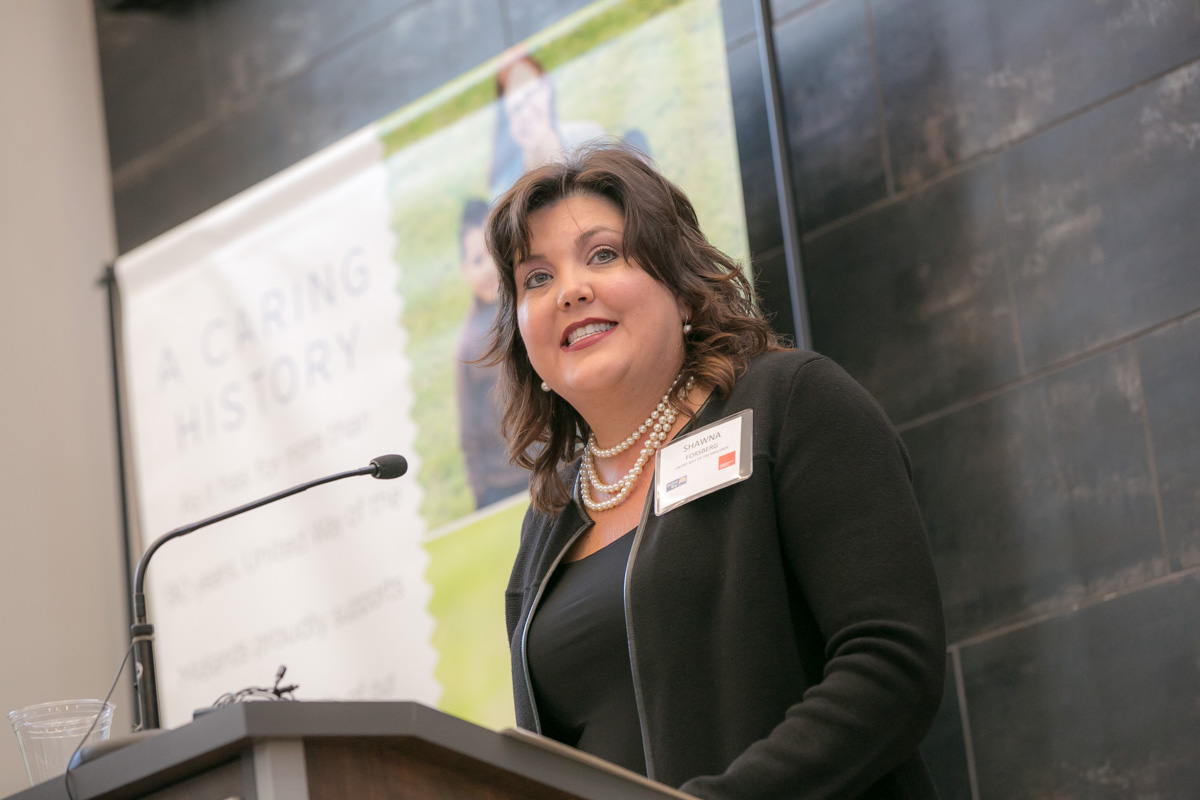
Shawna Forsberg
Education is a core focus of the foundation, the United Way and the Chamber.
“I think education is the base for the kind of development we’re going to have to see in the future,” Brown said. “We’ve got to make sure our kids, whether the most affluent or the least affluent, whether in North Omaha, West Omaha, Council Bluffs or Sarpy County, are getting the best education they can get. We have a community with about 3 percent unemployment and yet we know there are pockets of higher unemployment. What causes that higher unemployment isn’t lack of jobs in many cases, it’s lack of preparedness, strong education or a high school diploma.
“There are some extenuating circumstances, such as lack of transportation, that keep people from being an active part of the workforce and we’ve got to mitigate those in some way or another. If we don’t, companies won’t find the people they need here and will look somewhere else. We’ve got to get as many people ready to work as possible in the areas where we know people can be hired and earn a great wage. So, education and transportation are things we’re paying a lot of attention to. Mass transit system improvement is pervasive in all of our conversations.”
Alleviating the high poverty that persists relates back to education and workforce development, Brown said.
United Way’s Shawna Forsberg said, “For people living in poverty it’s not just one thing that’s going to fix it. Typically, there’s multiple things that need to be addressed.” She said responding to complex issues means” being consistent but also flexible and nimble enough ” to adapt as needed. “We’re blessed that we have really strong networks and we work with so many different programs and agencies that it lends itself to really a community-wide understanding of where opportunities can arise.”
She said agencies like hers recognize the “need for more qualified individuals to hit the workforce.” “We want to work in concert with those who can provide those unique opportunities.”
Meanwhile, the state’s budget deficit has cut into public education, services and programs. Possible federal cuts to arts and human services funding loom large.
“It’s a very interesting time politically trying to understand what’s going to be coming regarding funding sources for many programs vital in the community,” Forsberg said. “It’s something we’re watching very carefully. It’s why advocacy and public policy is something we have to be involved with also.”
Omaha Community Foundation executive director Sara Boyd said, “There are resource constraints today because of budget challenges at the state and federal levels that affect the sector at large and changes the dynamics of what funding might look like. What is the affect of that on some of our more vulnerable populations? There are some people who are already vulnerable we don’t want to find in even worse situations. What does that mean for how we think about the work we do and how we invest as a community? Because of the uncertainty of some of the changes that may occur, it’s difficult sometimes to place a bet on where to invest. I don’t think there are answers yet.”
Forsberg said United Way’s historic mission is to “help those neighbors that need assistance” through a “safety net of services.” She added, “United Way will never depart from providing funding for critical programs to help people in dire straits, whether it be food security, safe housing, access to health care, escaping domestic violence. That is core to what we do.”
An example of United Way tracking and responding to such needs, Forsberg said, is its Financial Stability Work Task Force. “It identified a group of people being lost through the cracks called Opportune Youth – 16 to 24 year-olds either not working or not in school. There was a myriad of organizations working with these individuals but it wasn’t a coordinated effort. Now we have 30 different agencies at the table doing essential intake. We’re partnering with Nebraska Children and Families Foundation and leveraging the work of Project Everlast to extend that work into new areas because people can end up in this category in multiple ways.”
The resulting pilot Alliance program launches June 1.
Forsberg said, “A systems approach is crucial because you’ve got to meet the kids where they’re at but then figure out what you can do get them in a different trajectory. That may be helping ensure they get additional school but also connecting them to a financially stable job and making sure they have the support they need to be successful in that. That can’t be one program – it has to be a multitude of programs.”
United Way works across the community on education.
“The Chamber helped us convene a group conversation with superintendents from across the community,” Forsberg said, “We took a really take a hard look at how you measure whether a kid is progressing and what not-for-profit support could assist school systems with.
“Where they really need help is in literacy and ensuring kids stay in school, and so those are the areas in which we’re investing. Instead of looking at just graduation rates we’re looking at ninth grade attainment. That’s a critical pivot point for kids if they’re going to get through school in a successful manner. When they hit high school the supports are less and so to wait until their senior year it’s almost too late. It’s critical we give it earlier to identify a kid that needs some extra support.”
Forsberg said intervention can mean mentoring support but also building awareness within school systems and families to keep kids in classrooms.
“We’re going to measure progress, not only investments United Way is making but as a community how we’re doing in these areas and bring that to light.”
Sara Boyd
The Community Foundation’s Sara Boyd said the local Adolescent Health Project led by the Women’s Fund of Omaha, with support from her foundation and other players is another example of “a broader focus” with more partners at the table.” “It’s not one foundation, nonprofit, individual driving that work and there’s some intentionality in the strategies being invested there. There’s work in juvenile justice, on the public service side, on the philanthropic side, on the nonprofit side and people coming to a common table to try and drive that.”
Input from many sources is crucial, Boyd said, but even then solutions can be elusive.
“The challenge is these are really tricky issues, so even when there’s focused attention, energy and investment there’s still stumbling blocks along the way and it doesn’t move quickly.”
North Omaha redevelopment is unfolding at an historic rate and the giving community is investing heavily there. The Chamber’s North Omaha Development Strategy spurred the North Omaha Village Revitalization Plan now being realized. Philanthropic dollars are pouring in to support efforts by the Empowerment Network, 75 North, Metro Community College and others.
Boyd said what’s happening there is evidence of how “when conversations come together sometimes there’s synergy that can create momentum.” “I do really like the energy and the amount of real interest and attention focused on North Omaha. It would be awesome to see a tipping point. I guess i don’t exactly know where that lies. To me it would be huge success to say not only are we seeing this accumulation of impressive dollars, but also a tidal wave coming behind that of all these other amazing things addressing what the people of North Omaha want that community to be for them.”
She cautioned, “I’m not naive to think there aren’t some structural issues as a community we will need to wrestle with in order to maximize some of these investments made there that affect more deeply the lives of people who live in North Omaha.”
Boys said whatever the project, nothing happens in isolation. She feels funders are ever more attuned to “the relationship between it all.”
“Something we continue to work at collectively as a community is looking at projects not just as coincidentally being in the same area but how do they they relate to and complement one another.”
Boyd said her foundation’s “mission is to inspire giving to create a thriving community for all.” “If you grow giving you have the opportunity to strengthen nonprofits and to have more people participating potentially or at greater levels and you then have an opportunity to bring people together because of that increased engagement and participation.”
United Way takes a systemic view as well.
“We have been in the community for 94 years and the needs over that time have evolved,” Forsberg said. “We represent a large donor base. Part of our responsibility is to read that and have a community-wide perspective and understand where we can invest that’s really going to be meaningful. We see ourselves as convener, collaborator, information-aggregator. We really are trying to bring thought leaders in the community together to address these issues. It takes a system.
“It means being honest and transparent about what’s going well and what isn’t as a community and trying to figure out the best ways to address that. It’s recognizing it’s never going to be one organization or one funder that’s going to be able to tackle this on their own. It’s very much a collaborative effort across the community.”
That approach has recently become more formalized.
“In 2012 a very robust strategic planning process initiated by some strong leaders in our community really drove United Way to take a harder look at how we did our investment. We initiated a community assessment in partnership with the Omaha Community Foundation and the Iowa West Foundation. ConAgra Foods stepped in for Phase II of it. It took a neighborhood-level look at where the greatest needs were.”
That assessment led to United Way’s 2025 goals.
By 2025, United Way aims to support the delivery of two million-plus services addressing basic needs of people living in or at risk of poverty through a more integrated, coordinated, precise and measurable system of basic needs supports.
Forsberg said, “We pulled together task forces. Part of their focus was looking at who was doing what in these various areas. Based upon input from stakeholders and others in the community we discerned where we could make the greatest difference in supporting things like basic needs (for food, shelter).
Metrics are key to the approach.
“With support from the Sherwood Foundation and the Weitz Family Foundation we’ve implemented an analytics and performance team to ensure we’re being efficient with that send and not just looking at it from an individual program-level but at the whole system. That’s allowed us to take best practices in analyzing whether or not the way you’re investing is driving the change you hope to make. What we’ve found is it helps programs we support improve and it gives them more of an understanding of whether the impact they hope to drive is also being accomplished.”
Forsberg said, “We learned we definitely need to provide those solves but we also need to get into prevention. If you don’t have a full tummy, it’s really hard to do well in the classroom. But we also know it’s important we help people change the trajectory for themselves. Two areas identified are educational support and preparing people to enter the workforce.”
Shaping strategic community goals in partnership with givers is part of the Chamber’s mission, said Brown. Everything the Chamber does, he said, is measured.
“We incorporate most of the public and private foundations executive directors and staff into all of our strategic planning processes. We’ve invited them to be involved in all of our Strategic Foresight work. On the futurist side, they’ve been involved in our discussions of our economic development strategy and as issues come up in the community we find ourselves working on those projects together, too It’s not unusual for the Chamber and several of the foundations and other nonprofit groups to sit around the table with business leaders talking about how to solve a community problem.
“The philanthropic community also tends to be funders of some programs and activities we do. We’ve been successful in finding those places we have in common and producing something the foundations help fund.”
The Chamber’s David Brown said collaboration comes with the territory but Omaha does it to an unusual degree.
“A lot of collaboration happens in this community between philanthropists and businesses and the not-for-profit world to see what projects should move forward and which ones maybe not. I think Omaha has collaboration in its DNA. I rarely seen an organization stand up and say we are going to work on this project by ourselves and not seek input or not be involved in a strategic discussion about whether it has merit or not.
“When a project doesn’t work out, it’s usually because collaboration and communication hasn’t occurred at the normal level. I think we accomplish more together and that seems to be a common thread I see with most of my colleagues in this community whether on the business side or the not-for-profit side.”
OCF’s Boyd said working with partners like the Chamber and United Way helps the foundation “learn what role we can play.” She explained, “We’re placing some bets on areas where we think, given our history and skills, we might be able to add some value in partnership with things going on in the community.”
She said the discussions arising from collaborative meetings help narrow the focus on what the pressing needs are and where best the foundation can help. Another way the foundation gauges what’s happening is through the grant application process for its Fund for Omaha, “We see over the period of a couple grant cycles patterns and changes in requests for funding that give us a temperature read on some things moving and changing in the community and what that might mean. It might be emerging needs or gaps of service.”
On behalf of donors the foundation has granted $1.5 billion to nonprofits since 1982. In 2016, its donors granted $149 million. Its own Fund for Omaha granted $294,176 in 2016. As of the end of last year, the foundation’s assets number just over $1 billion.
The foundation’s desire to broaden its work and better measure community needs helped lead to the birth of The Landscape project – a public, data-driven reflection of the community across six areas of community life:
Health
Neighborhoods
Safety
Transportation
Workforce
Education
Those markers largely came out of the community perception or assessment study that OCF did with United Way and Iowa West Foundation.
“There are likely other areas over time we will add to The Landscape,” Boyd said.
Landscape information gleaned from experts and residents are available online to anyone.
“We wanted more people to participate in some of that thinking and we wanted more people to be able to iterate it,” Boyd said, “so having something more publicly available and opening that up for feedback can help those of us who interact on personal levels with different partners and residents in the community.”
“We’re looking more and more at how we align with some of these issues now spotlighted in The Landscape to try to reach out in new partnerships and new ways. We have a donor base that is community-broad, many of whom are plugging into some of these issues themselves, and we may be able to serve them better in their giving if we’re focusing our resources.”
Greater impact is the ultimate goal.
“We’re hoping the project will assist in bringing some of our philanthropy to another level by infusing more of that curation with the voice of the community – personal stories that add a greater dimension to our understanding. It’s not to say by any means the work of the foundation and The Landscape is going to be the thing that leads to change. It has to be efforts we all pursue. This just happens to be our particular part we feel we can play in conversation and interaction with all of the other people invested in moving these issues forward in our community.”
She and her colleagues are trying to find ways to get millennials to donate. The foundation’s found success doing that through its Omaha Gives campaign.
Increasingly, Boyd said, “we work to be an organization more inclusive of lots of different people and interests in the community,””I think we’re continuing to build different relationships and find new ways to partner with people who care and want to invest resources.”
Boyd, Forsberg and Brown are aware Omaha’s legendary giving is generational. While wealth will change hands, they say local philanthropists have been mindful creating instruments to ensure future giving.
Who’s Going to Pay? Before and After the Affordable Care Act
There’s nothing like getting current, though it’s hard to do when you write for a monthly. Still, in this cover story I wrote for the March 2017 issue of The Reader (http://www.thereader.com) I think I mostly managed to stay relevant to the topic of health care coverage in America, the forces pushing and pulling for and against the Affordable Care Act and what the ACA has meant in terms of gains and what its repeal and replacement would mean in losses. For the piece I spoke to local professionals on the provider and insurer sides of the equation for their take on how we got here and where we might be heading. The story went to press with us knowing Congress was working to repeal and replace Obamacare, though no one knew what that entailed, and then just about the time our story got published that plan was unveiled. As you know by now, the proposed new plan was met with disdain from all quarters, especially consumer rights groups and elected officials, even conservative Republicans, who heard loud and clear from constituents that they they oppose the called for cuts that would cause many people to lose insurance. As the push back continues, town halls and debates ensue, and presumably negotiations, revisions and compromises will get made. Meanwhile, America still can’t get its health care system to work equitably and efficiently.
Who’s Going to Pay? Before & After the Affordable Care Act
©by Leo Adam Biga
Appeared in the March 2017 issue of The Reader ((http://www.thereader.com)
Families stood to lose almost everything in medical bankruptcies when health insurance companies rejected those with pre-existing conditions and capped their policies with lifetime limits.
Uncovered costs helped health care expenditures soar, more than tripling in the last 20 years according to the federal National Health Spending Report. In 2015, the federal government was the largest payer of health care, covering 37% of the total cost through its two programs Medicaid and Medicare.
The curve was starting to bend.
According to the Kaiser Family Foundation, health insurance costs increased 63% from 2001 to 2006 and 31% from 2006 to 2011. That number dropped to 20% from 2011 to 2016.
Part of the reason was the Affordable Care Act and a landmark shift in how health care was being offered. Through a series of tax increases targeting high-income earners, the ACA was able to fund experiments in in- novation while subsidizing the cost of bringing almost 30 million Americans into the health insurance system.
With the end of Obamacare at the top of the national conversation, The Reader talked to the major stakeholders about life before and potentially after the Affordable Care Act.
It’s not just the $2 billion in federal revenues Nebraska passed up for health insurance, or the 275,000 Nebraskans with pre-existing conditions that could be denied health insurance, according to the Kaiser Family Foundation. It’s not even the estimated 165,000 Nebraskans that would lose health insurance, an increase of 111% of the uninsured, according to the Economic Policy Institute, leading to almost 3,000 jobs lost and $400 million in federal health care dollars gone that we subsidize.
It’s also about the way we take care of each other.
America treating healthcare as a commodity helps explain its high delivery and coverage expense. Characterized by historic lack of incentives to drive prices down, providers and insurers dictate terms to consumers. Subsidies to assist low income patients who can’t pay out of pocket get passed along to other consumers. But affording care and its coverage is a burden even for the middle classes.
Amid runaway costs and coverage gaps, America’s clunkily moving from a volume to a value-based system as part of long overdue healthcare reform. The Affordable Care Act was passed in 2010 after contentious bipartisan debate. The statute’s full roll-out began in 2014.
Nebraska Medicine CEO Daniel DeBehnke said, “The tipping point that brought the ACA forward is really the unsustainable growth in our country’s healthcare costs.”
The calculus of people not being able to afford care translates into real life implications. Untreated chronic diseases worsen without treatment. Early diagnoses are missed absent annual physicals or wellness checks.
Championed by President Barack Obama, who promised reform in his campaign, the ACA’s enacted consumer protections and mea- sures holding providers account- able for delivering value.
Nebraska Methodist Health System CFO Jeff Francis said organizations like his have “con- tracts and monies at risk for hit- ting certain quality items, not just with Medicare, but with some of our commercial insurers as well, Five or ten years from now,” he added, “we’ll probably have more at risk financially from a quality and outcome standpoint. Recent federal legislation changed the way physicians get paid by CMS (Centers for Medicare and Medicaid Services). Starting in 2019 they’re having potential penalties depending on whether they’re hitting certain quality metrics or not.”
He said the stick of such punitive measures works.
A new Standard in American Health Care
Aspects of Obamacare, such as the individual mandate and public health exchanges, have detractors. Federal lawsuits challenging it have failed. But its intact survival is in jeopardy today. A chief critic is President Donald Trump, who with the Republican controlled Congress vowed to repeal and replace, though that’s proving more daunting in reality than rhetoric. On February 16, GOP leaders shared a replacement plan with tax credits for buy- ing insurance and incentives for opening healthcare savings accounts, but no details for funding the plan or its projected impact on the insured and uninsured.
Debehnke said, “I don’t think there’s any question, regardless of where you land politically, there are components of the current ACA that require tweaking. Even Democrats will tell you it wasn’t exactly perfect – nobody said it was going to be perfect. It was understood there were going to need to be changes as things move along.”
There’s widespread consensus about the benefits accruing from the ACA. New subsidies allowed millions more people nationwide and tens of thousands more in Nebraska to be insured, in some cases getting care they deferred or delayed. Insurers cannot deny coverage for pre- existing conditions or cancel coverage when someone gets sick. Plans must cover essential care and wellness visits. Adult children can remain on their parents’ insurance until age 26.
Francis said, “A lot of good things have come out of this. We’re focusing on well- ness, we have fewer uninsured, we’re having better outcomes for patients. I think there’s satisfaction with the improvements. I just think there’s disagreement with how it’s occurring or being done.”
“You can’t believe the difference it’s made by setting minimum standards for health insurance,” said One World Community Health Chief Medical Officer Kristine McVea, “so that things like child immunizations and mammograms are covered.”
Since the ACA’s adoption, uninsured 18-to 24-year-olds in Nebraska dropped from 25.5 percent in 2009 to 12.4 percent in 2015, according to the Kids Count in Nebraska Report.
McVea said, “At One World people get assistance in enrolling for health insurance. Counselors guide them through the market- place. People are really becoming more savvy shoppers. Improved health literacy has been a result of this process, you can really compare for the very first time apples to apples in terms of different plans. That has been a tremendous boon to clients.”
Not everyone included – Nebraska drops the Kick- back
Healthcare disparities still exist though. In Omaha 24% of adults living below the poverty line
lack health coverage while 3% of adults with medium to high in- come are uninsured. Some 36% of Hispanic adults, 15% of black adults and 5% of white adults are uninsured in the metro, ac- cording to numbers reported by The landscape, a project of the Omaha Community Foundation.
McVea said, “The poorest of the poor are not eligible for the marketplace at all because that part of the Affordable Care Act carved them out thinking states would cover them with Medicaid. Well, Nebraska’s elected not to expand Medicaid, so there’s this whole gap of people not insured. Then there’s prob- ably another tier who do get assistance through the marketplace, but considering the economic pressures they’re under, even with the assistance, it still falls outside their reach to get good healthcare.”
The Kids Count Report found 64 percent of uninsured Nebraska children are low-in- come — likely eligible for but not enrolled in Medicaid or Children’s Health Insurance program (CHIP).
Past Nebraska Medical Association president Rowen Zettermen said, “In Nebraska we have somewhere in the neighborhood of 60,000 to 90,000 uninsured people that would have otherwise been eligible for Medicaid expansion. you find the highest percentage uninsured rates in rural counties. We still have 20 some million uninsured in this country. A number may have insurance but they’re underinsured for their various conditions. Ideally, everybody should be able to establish a healthcare proposition with their physician, nurse practitioner or physician’s assistant to access care whenever they need it.”
Then there are federal DSH monies to fund Medicaid expansion the state foregoes because the legislature’s voted against expansion. Gov. Pete Ricketts opposes it
as well. Disproportionate Share Hospital payments are subsidies paid by the federal government to hospitals serving a high percentage of uninsured patients. Nebraska hospitals write off uncompensated care cost while getting no money back for it.
Zetterman said, “We could expand Medic- aid and take advantage of the roughly $2 to $2.5 billion that’s failed to come into the state. It would have paid salaries for more people in physicians offices and a variety of things that would be taxed and bring in more revenue.”
DeBehnke of Nebraska Medicine said, “Being a large hospital health system that takes all comers, we have a Medicaid percentage of our business. We would be better off in a Medicaid expanded state. We would like to see more coverage for the working poor. That’s what Medicaid expansion is – providing coverage to the working poor. Those who don’t currently qualify for it would under an expansion.”
Proposed federal community block grants could expand coverage. DeBehnke cautioned, “We just have to be sure there’s good control around how those dollars are used and they actually go for healthcare coverage. Expanding coverage to all people is really the key.”
Nebraska State Senator Adam Morfield is the sponsor of lB 441, which would expand Medicaid in Nebraska. The bill is scheduled for a March 8 Health and Human Services Committee hearing.
The care-coverage-income gap may be more widespread than thought. Kids Count Report findings estimate 18.5 percent of Nebraskans are one emergency away from financial crisis.
Preventative Care is Long-Term Savings
Having coverage when you need it is a relief. Insurance also motivates people to get check-ups that can catch things before they turn crisis.
“A woman having symptoms for some time didn’t have any insurance and she waited
before she sought care,” McVea said. “By the time she came to us for diagnosis she already had a fairly advanced stage of colon cancer. She’s undergone chemo- therapy and surgery and is now living with a colostomy. That didn’t have to happen. We see things like that every day – people who’ve let their diabetes and other things go to where they have coronary artery dis- ease, and that’s not reversible. We’re trying to get them back to the path of health with treatments, but they’ve lost that opportunity to maintain a high quality of health.”
Zetterman said, “There’s good data to show patients with cancer who don’t have insurance tend to arrive with more advanced disease at the time of initial discovery because they come late to seek care.”
That pent-up need is expressed more often, McVea said, as “people have insurance for the first time or for the first time in a long time.”
“We’ve seen a lot of people come in as new patients saying, ‘I know I should have come in a long time ago, and I’ve just been putting it off.’ Many are middle-aged. They’ve been putting off chronic health conditions or screening tests or other things for years. We see people come in with diabetes or high blood pressure that’s out of control and within three months we get them to a point where everything’s in control, they’re feeling better, they have more energy, they’re feeling good about their health. We’ve maybe given them advice about diet and exercise and ways they can keep themselves healthy.”
More positive outcomes are prevalent across the healthcare spectrum.
“I would say overall the average patient is having a better experience and outcome now than they were five years ago,” Nebraska Methodist’s Jeff Francis said.
One World’s CEO, Andrea Skolkin, said, “We’ve been able to reach more people living on limited income so our services have been able to expand both in terms
of numbers of patients we care for as well as types of services and locations.” One World opened two new satellite clinics with help from ACA generated monies. “As we’ve opened new clinics we’ve seen a number of people that had never been seen or delayed being seen with very complex
medical and sometimes mental health issues – and it’s more costly. We grew from about nine or ten percent of patients with insurance to close to 15 per- cent. For newly insured patients it’s meant some peace of mind.”
Fewer insured people, Higher Costs
She and her community health center peers favor more afford- able coverage to increase the numbers of those insured.
Zetterman said high premiums and co-pays present obstacles that would be lessened if everybody got covered. “The financial burden on the individual patient and family for health- care right now is too high.”
DeBehnke said, “A lot of the
burdens of those premiums in terms of high deductibles and other things have been shifted to families. There has to be some degree of subsidization if we’re going to make this all work. Regardless of where we land with this, the financial burden on the individual patient and family for health- care right now is too high.”
For the poor, the last resort for care continues to be the ER.
“If you’re uninsured the one place you can go in this country is to the emergency room of a hospital because the laws say you cannot turn anyone away from there,” said Zetterman. “As a consequence the uninsured make use of the ER because it guarantees they’ll get cared for – at least at that moment. The ER is the most expensive place to go for things that could otherwise be handled in a healthcare office.”
Zetterman said America’s handling of its social contract and safety net means “we cost shift in the healthcare environment to pay for things.” “In Nebraska, where we didn’t expand Medicaid,” he said, “we cost shift from private insurance and healthcare providers to people who have private insurance. They help pay for the uninsured-underinsured. We’ve estimated that to be well over a billion dollars. We can’t control costs reliably until everybody is in the system with some kind of a paid healthcare benefit. That can include all the current federal and state programs as well as commercial insurance that’s out there.
“Once we no longer cost shift to pay for healthcare we can begin to address the questions where are we spending our money and why are we spending it in those areas. Then we have a chance to control the growth of healthcare costs.”
Skolkin said, “A lot of hands in the pot helps add to the cost. There’s a lot of system inefficiencies, particularly in billing and credentialing, that could be made a lot of easier. That would save resources.”
DeBhenke said, “As the healthcare industry, we have not been engaged to the degree we need to be to actually decrease overall cost of care because frankly from a pure financial standpoint it’s not been in our best interest. The health systems, providers and other organizations have to really get be- hind this whole idea of providing value, of decreasing overall total cost of care while improving outcomes for patients. That’s got to work in parallel with legislative and subsidization levels at the federal level.”
He said until there’s more buy-in from “young invincibles” – 20-somethings in good health – to broaden or balance the risk pool and thus reduce payouts, costs will be a problem.
“Certainly the pricing needs to be attractive to those individuals to broaden the pool. And frankly the benefits associated with products on the exchange need to be attractive so those individuals feel comfort- able and actually want to have coverage. Those least likely to go to the marketplace and buy individual health insurance plans are exactly the people we want to do that to broaden the pool. Healthy individuals that don’t utilize healthcare much soften the financial blow.”

Repeal Without replace is A mess, Why not repair?
The ACA’s meant adjustments from all healthcare stakeholders. Opponents have resisted it from the start and that fight continues. In early January the Republican-led Senate began reviewing ACA to try and garner enough votes to repeal it through the budgetary reconciliation legislative process.
“Unfortunately President Trump has focused on what he’s going to take away without have a plan in place,” said Kristine McVea, “I think that’s been harmful. There’s a lot of fear and uncertainty among our patients. These are people who struggled without health insurance who finally got a chance at taking care of their health and are now very afraid of the possibility that’s all going to be taken away. We hear this every day from people coming into the marketplace and coming into see us for care, I think the capricious statements made by this administration have fueled that.”
More recently, talk of flat-out repeal has given way to amend or modify in acknowledgment of the gains made under ACA and the difficulty of dismantling its far-reaching, interrelated tentacles, absent a ready-to-implement replacement. The political fallout of taking away or weaken- ing protection people have come to rely on would be severe.
“Once leadership has really started to
dig into what it would mean to repeal this outright and try to replace it they’re finding it is not a simple thing to do and the health and coverage of millions of people are at stake,” said James Goddard, an attorney with the public advocacy group Nebraska Appleseed. “So things are slowing down with the recognition they need to be careful with this, and of course they do.
“I think the change in the way it’s being discussed is a reflection of the reality that this is a dramatic thing you’re discussing altering and they need to do it the right way. Much of the ACA hangs together and one thing relies on another and if you start pulling pieces of it apart, you have the potential for the whole thing to fall down.”
Zetterman said he and fellow physicians favor a cautionary approach.
“Most of us would say the Affordable Care Act should be maintained and improved. There are dangers in taking it away and replacing it because it’s now in so many different places.”
Nebraska Appleseed attorney Molly McCleery said total repeal would affect many. “Initial Congressional Budget Office projections show 18 million people would lose coverage, and then in the out years, 32 million would lose coverage – both private and public. The Urban Institute’s state-by- state impact study found 200,000-plus Nebraskans with a pre-existing condition would be impacted if that consumer protection would be taken away.”
Jeff Francis said, “The new ‘r’ word I’m hearing is repair. The consensus seems to be to keep what’s popular and working and change what’s not.”
EDITOR’S NOTE: Details of the recently proposed GOP replacement had not been released as of this printing.
Daniel DeBehnke said of the current climate, “I think it’s extremely confusing because it’s complicated. It’s like a balloon – you poke in one area and something bulges out in another. I think people are frustrated, and rightly so, they pay a lot for healthcare. It’s not just as simple as I-pay- a-lot-for-my-healthcare, ACA is bad, let’s get rid of it.’ There are layers of complexity. We may not like exactly how things are funded or how some components are dealt with. We may not agree totally with all the tactics to get there, but at the end of the day we’ve got more people covered.
I don’t think anybody has the appetite to change that back.
“We just have to figure out how to incrementally lessen the financial burden while maintaining the real goal – more people covered and providing value for the money being spent.”
He said the best course of action now for providers is to “just take really good care of patents and decrease unnecessary utilization and duplication of services,” add- ing, “It’s what everybody wants anyway.”
Fixing the marketplace
Meanwhile, on the insurers’ side, some carriers have left public health exchanges after incurring major losses. This state’s largest healthcare insurer, Blue Cross Blue Shield, opted out of the volatile marketplace.
“Since we started selling on the ACA marketplace we’ve lost approximately $140 million,” executive vice president Steve Grandfield said. “We have a responsibility to all our members to remain stable and secure, and that responsibility was at risk
if we had continued to sustain losses. The public marketplace is unstable, which has driven increased costs and decreased com- petition and consumer choice. The higher premiums go, the more likely people, especially healthy people, drop their coverage. That means the majority of people remain- ing on ACA plans are sick, with increasingly higher claims, which drives premiums up even further.”
He cited instances of people gaming the system by buying plans when they need care, then dropping them when they longer need it.
Granfield said Blue Cross supports a well modulated ACA overhaul.
“It’s important to put in place a smooth transition. We would like to see regula- tory authority for insurance returned to the states, including rate review and benefit design and closing the coverage loopholes that lead to higher consumer costs.”
He has a long wish-list of other changes he wants made.
The leaders of two major Nebraska health provider systems say they haven’t seen any impact from the BCBS defection because there are many other insurers and products on the market. The executives were not surprised by the move given the fluid healthcare field.
Nebraska Methodist’s Jeff Francis said, “There were a lot of unknowns. I think it takes several years through the insurance cycle to be able to correct those kinds of unknowns, especially the way the federal government handles the bidding and setting of rates That’s why you won’t see craziness or changes in the rates in the years to come because they now have several years of experience with this new population and they’re then able to price accordingly.”
Daniel DeBehnke of Nebraska Medicine said, “Regardless of what happens in Washington, if the exchanges are kept in place there will be some changes made either in the pricing or pool that will help organizations like Blue Cross perhaps get back in that business.”
Quality Health Care Starts with Collaboration
Collaboration is key for containing costs in a system of competing interests. More U.S. healthcare decisions are happening outside silos.
Francis said, “A big change in the last 10 years is opportunities to work more collaboratively. In the past it would have been much more stand-alone. Now the hospitals and physicians are working more closely. Nebraska Methodist is part of an account- able care organization – Nebraska Health Network, along with Nebraska Medicine and Fremont Health. We recognize the importance of learning better practices from each other so we can pass that along to make healthcare better for the community and for employers paying for their employees insurance.”
One result, he said, is “less antibiotics pre- scribed by our family doctors at Nebraska Medicine and Methodist Physicians Clinic.”
Of Dreamers and doers, and one nation indivisible under…
Of Dreamers and doers, and one nation indivisible under…
DACA youth and supporters hope protections are retained
©by Leo Adam Biga
Originally appeared in The Reader (wwwthereader.com)
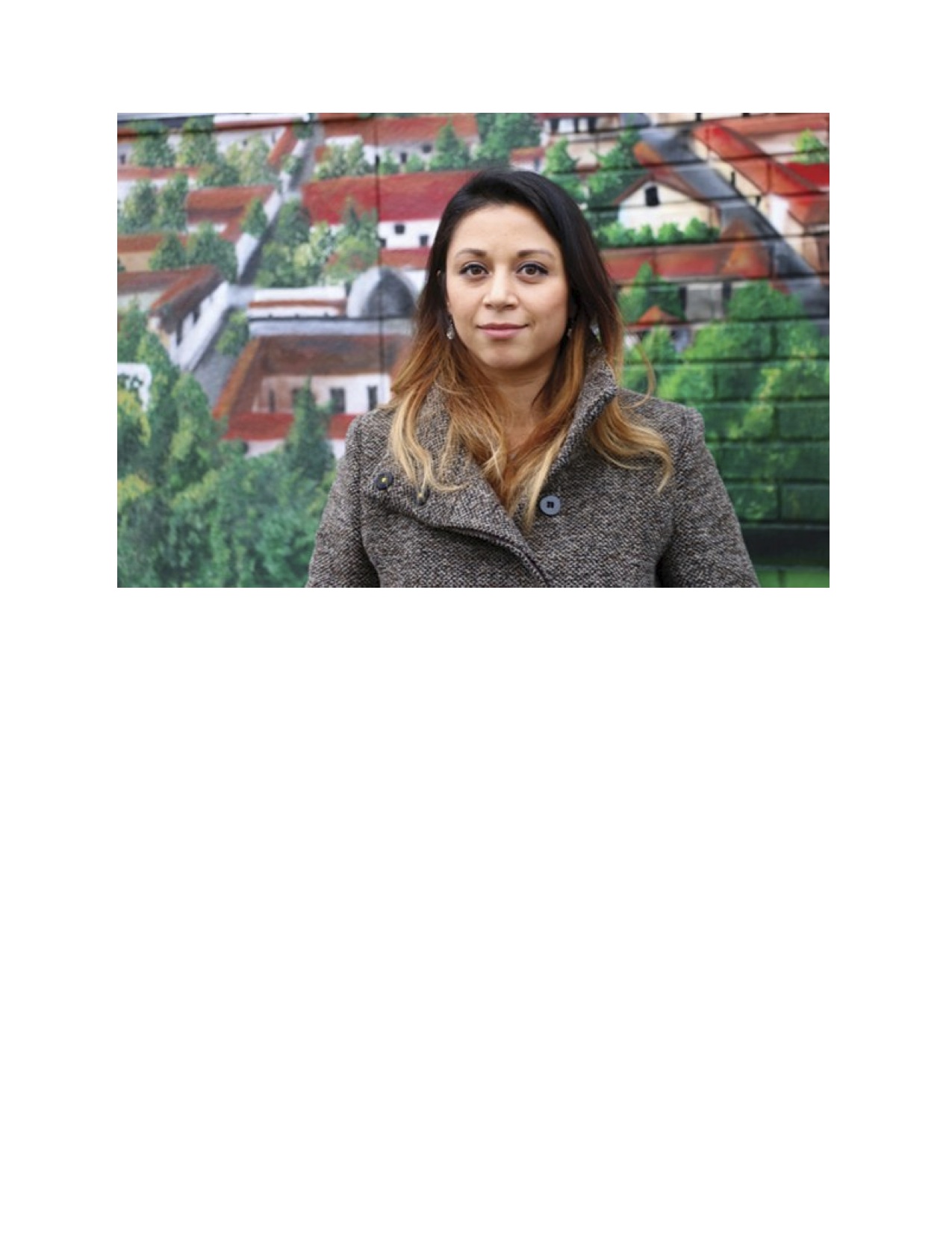
With immigration reform caught in the gap of a divided U.S. Congress, the long-proposed DREAM Act never got passed. In 2012 President Barack Obama issued an executive order creating the Deferred Action for Childhood Arrivals (DACA) program as a temporary stop-gap giving young students who grew up here protections against removal and permits to work, allowing many to obtain drivers licenses and other basic privileges.
Conservative Nebraska officially opposed DACA. Then-Gov.Dave Heineman blocked issuing drivers licenses (Nebraska was the only state), welfare or other public benefits to DACA-eligible youth. Gov. Pete Ricketts continued the stand. But a broad coalition of rural and urban Nebraskans spanning party lines and ages, along with faith, law enforcement and business leaders – the Bible, Badge and Business coalition – along with such organizations as Justice for Our Neighbors Nebraska, Heartland Workers Center and Nebraska Appleseed, successfully advocated for legislation granting DREAMers drivers licenses and professional-commercial licenses.
The state legislature twice overturned governor vetoes to preserve these bills as law.
While never a panacea, DACA provided DREAMers and supporters hope that real, permanent immigration reform might follow. However, President Donald Trump made campaign promises to repeal DACA and crack down on undocumented immigrants. With his administration only weeks old, no one knows if or when he’ll end DACA and thus undo everything attained.
DREAMer Alejandra Ayotitla Cortez, a senior psychology student at the University of Nebraska-Lincoln, is one of about 3,275 DACA recipients in Nebraska. As more young people age into DACA, that number will grow as long as the program continues, She echoes other recipients in saying, “Right now we are facing a lot of uncertainty. As much as I wish I knew what was going to happen with the program, it’s very hard to predict, and that’s what makes it harder. We’re in this limbo place. Obviously, if it does end, that would have a lot of negative consequences. Right now we are trying to focus on working with our representatives at the federal level to try to draft legislation that would protect the program.”
She was part of a contingent of DREAMers who met with Nebraska Congressional leaders in the nation’s capitol in January.
A coalition of Nebraska supporters signed a public letter to Nebraska members of Congress urging them to endorse DACA’s continuation on the grounds it allows aspirational young people like Alejandra the ability to reach their potential. The argument is that the work they do, the commerce they create, the taxes they pay strengthen, not deplete America. Recently proposed federal legislation called the BRIDGE Act would provide some safeguards in the event DACA isn’t renewed or until more lasting immigration reform emerges.
Nebraska Restaurant Association executive director Jim Partington said at a recent press conference in Lincoln announcing the letter, “There is no logical objection to anything about supporting these youths who were brought here at a very young age, have been educated in our school systems, and are now ready to go out into the work force and contribute to our economy and our society.”
Ayotitla Cortez also spoke at the conference. She previously testified before state senators.
“It’s important for us to share our stories so that we can show that DREAMers are here, we’re contributing, we’re doing the best we can to serve our communities,” she said.
Former DREAMer Lucy Aguilar, a University of Nebraska at Omaha student, advocated for DREAMers’ rights through Young Nebraskans in Action (YNA), a program of Heartland Workers Center (HWC).
She’s since gained permanent residency status. She stands by what she said two years ago: “I don’t think DACA-recipients should be tied to immigration policies or immigration terminology because we’re a much different thing. I know my status and it’s definitely not breaking the law in any sense. I’m here just like everybody else trying to make something out of my life, trying to accomplish goals — in my case trying to open a business and be successful in that.”
She supports DREAMers retaining their DACA protections.
HWC Senior Organizer Lucia Pedroza, who supervises YNA, said the issue’s catalyzed young people to participate and raise their collective voice and take collective action. Coalescing support for the bills that gave DREAMers licenses was a case in point.
“Young people started organizing themselves after coming to meetings and learning more about the legislative process and the issues in their community,” Pedroza said. “They knew what they had to do. They started organizing students and teachers at South High School. They were able to speak up for the bills and proposals.
“I’ve seen some who were afraid to speak up and share their own stories a few years ago now speaking their truth and working with us at the center. I’ve seen them grow and want to share their interest and passion with other young people. It’s a cool thing. They’re not just wanting to stay on the sidelines and complain, they want to do something more. They understand it’s not going to be just about them, they can’t do it alone, they need to have community support.”
Pedroza said YNA’s grassroots work “impacted the effort statewide in support of DACA.”
She and others make a pragmatic, do-the-right-thing, make-good-policy case for DREAMers being given pathways to full participation. Ayotitla Cortez uses herself as an example of how DACA impacts lives.
“As soon as I enrolled at UNL I started working at a daycare center at the university thanks to the work permit DACA provides. That was the first job I ever had. It helped me to support myself and paid for my living expenses and some of my school expenses. That was a great opportunity. Then my sophomore year I got the opportunity to work as a service assistant in the Nebraska Center for Research on Children, Youth, Families and Schools.
“Now I work at El Centro de las Americas — a non-profit that serves mainly the Latino Community. I’m the coordinator of the Adult Education Program. Helping my community is my main way of giving back some of what has been given to me.”
She wishes opponents would look past fears and stereotypes.
“I guess some people have a hard time seeing the human side or the social contributions DACA has provided. We’re working and putting money into city, state, federal revenues.”
Then there are myths that need overturning.
“As DACA-recipients we have to pay $485 every two years to renew our work permit, so it is something we are paying for, we’re not just getting it for free. If you multiply that by the nation’s 700,000 DACA-recipients, then that is bringing in money and helping the economy of every state. It’s creating jobs because we’re working, spending and some of us are even starting businesses.”
Pedroza said, “It’s about families and the well-being of human beings and giving opportunities to people who work hard and contribute as equally as citizens of the United States.”
Justice for Our Neighbors (JFON) Executive Director Emiliano Lerda feels the issue found enough support to buck the governor in the “very diverse coalition pushing for these changes,” adding, “you had strong, traditionally conservative and Republican-leaning organizations advocating side by side with what are traditionally known as more progressive organizations. This truly is a bipartisan issue that unfortunately has been utilized by politicians to galvanize a certain segment of the population for political support. But the vast aspects of this issue affect people across the aisles equally and the solutions will come from across the aisles from people who understand the economic impact and benefits of immigrants and the economic disaster we could face if we don’t have access to immigrant labor.”
Charles Shane Ellison, JFON deputy executive director-legal director, said it’s a win-win for everyone as employers benefit from DREAMers’ labor and DREAMers’ income boosts the economy. Then there’s the advanced degrees DREAMers earn, the expertise they practice, the services they provide, the products they produce, et cetera.
For Ellison, it’s also an issue of fairness and of undoing an overly broad application of law.
“Many of my clients who qualify for DACA came as babies. They don’t know any other country other than the United States. The law’s very unforgiving. It doesn’t make allowances for the fact they didn’t have any control over entering the country without status. These kids found themselves growing up blocked out of any opportunities to obtain work, to achieve dreams, so DACA was huge because it was this breakthrough, finally saying you can come out of the shadow and participate in the workforce towards your dreams in the only country you’ve known.
“Though inadequate and imperfect, it’s difficult to overstate the importance of what DACA’s meant to these young people.”
For St. Paul United Methodist Church (Lincoln) senior pastor David Lux, embracing DREAMers is about social justice.
“They live here and are part of our communities and have been for years. This is their home. Regardless of legal documentation they’re human beings worthy of fairness and a chance. They also contribute a lot to our communities and add to their richness.”
Besides, Pedroza said, with small population Nebraska struggling to retain young talent and America ever aging, the state and nation can’t afford to lose its best and brightest of child-rearing age.
Not everyone eligible for DACA applies for it.
Ellison said, “Nationally, 700,000 have been granted DACA since the program’s inception, I believe initial estimates of those eligible were well over a million. There’s a number of factors why only 700,000 applied. Some people are very risk averse, other people are not. Those who are risk averse, [do they] feel like paying fees to apply for a program soon to be done away with or potentially done away with, in addition to giving the government your private information they would need to apprehend you and seek your removal, [that] is not a very good bargain. So they’re not interested or willing to apply for it even if they qualify.
“A lot depends on the individual facts of the case. If a person’s already on immigration’s radar, they’re not really giving up much by applying.
“If they’re not on immigration’s radar, by applying with the potential the program will be done away with, they are taking some risk.
“I’ve actually been surprised by how many people want to apply, even post-election, who say, ‘I still want to renew my application because I feel like it’s worth a shot. If I don’t apply, I know I won’t get it. If I do apply, maybe President Trump will change his mind or something else will happen.’ It just shows how desperate folks were before DACA.”
Ellison added, “Certainly among my greatest concerns is that DACA will be done away and not be replaced with any kind of protection … that in addition to lack of compassion in immigration enforcement that tears families apart and disrupts communities.”
JFON urges recipients to prepare for DACA’s demise.
“We want folks to get plugged in with counsel so they can analyze what are their rights in any defenses they may have,” Ellison said. “If DACA is done away with, that’s going to be really important. We want people to know there are certain constitutional legal protections they may have and other forms of relief they may pursue that exist in law as opposed to policy. While the President can change immigration policy by doing away with the program, which is just an executive memoranda, he does not have the authority to unilaterally undue the law.
“There may be legal protections that exist for some DACA youth they don’t know about until they consult with an attorney. We provide referrals for the Nebraska Legal Immigration assistance hotline.”
Meanwhile, Pedroza, a Guatemalan immigrant, finds solace in the confederacy of common interests around the issue, such as the Bible, Badge and Business coalition that’s championed DACA. These coalitions signal to her America may not be as divided as the media portrays, but she concedes more consensus building is needed.
“What keeps me motivated is knowing for a fact we can do better to be a more welcoming community, state and nation and that we can work together to improve the quality of life for underserved people. Not everyone will see the same things I see, but we don’t have to have one way of doing things. The more collective and different perspectives we can add to the larger vision, the more impact we can have.”
With DACA up in the air and the path of immigration reform anybody’s guess, Pedroza hopes for bridges to dreams, not walls to exclusion.
“I have two children and I really care about their future. I want them to know there is something that can be done when you work with community members and elected officials. We can have dialogue. We don’t have to be on the defensive or offensive all the time. We need to have that space to negotiate in, and it’s possible. I think the national rhetoric doesn’t help. A lot of times, not everybody is open-minded or familiar with the other side of the story. That’s something we have to deal with. We’re not going to convince everybody. Not everybody’s going to see the issue the same way. But we can’t give up. We have to work with what we have and to do what we can do.”
She senses however things play out, DREAMers and supporters have started a movement that won’t go away.
“One thing we can do is help people empower themselves, so that they can continue to work for those solutions and look for other options. A lot of times as immigrant communities we feel powerless and so we don’t try to be a part of that change for our community.
“But that collective power really makes people feel they can do something. It can be like a domino effect where one thing leads to something bigger or we inspire people to get involved.”
Being seen and heard is a start.
Visit jfon-ne.org, http://www.heartlandworkerscenter.org, neappleseed.org.
EDITOR’S NOTE: The new administration issued its first immigration orders as we went to press. Local groups, especially the ones mentioned in this story, are organizing now to respond to changes in enforcement priorities that threaten to tear apart families and lives without any review process while diverting resources away from deporting the worst criminals. Stay tuned to them at the links at the end of this story and follow-up coverage in our sister publication El Perico and online at TheReader.com.
Read more of Leo Adam Biga’s work at leoadambiga.com.


 Leo Adam Biga's My Inside Stories