The late Jerry List (left) and Red Beran carry Bob Devaney off the field at the 1972 Orange Bowl.
Archive
Archive for the ‘Sports’ Category
An Omaha Hockey Legend in the Making: Jake Guentzel Reflects on Historic Rookie Season
July 10, 2018
Leave a comment
I am almost a year late in posting this Omaha Magazine profile I wrote about Omaha’s own Jake Guentzel and the amazing post-season tear he went on as a rookie with the Pittsburgh Penguins. Ha became a much bigger factor than anyone imagined in helping the team contend for the Stanley Cup. Guentzel and his Pittsburgh mates went on to win it of course, thus capping one of the most storybook rookie campaigns in NHL history and barely a season removed from starring for the UNO Maverick hockey program.
An Omaha Hockey Legend in the Making
Jake Guentzel Reflects on Historic Rookie Season
Story by Leo Adam Biga
Illustration by Derek Joy
Originally published in Omaha Magazine (http://omahamagazine.com/articles/an-omaha-hockey-legend-in-the-making/)
Former UNO hockey star Jake Guentzel left school in 2016, after junior year, to pursue his dream of playing professionally. No one expected what happened next.
The boyish newcomer with the impish smile went from nondescript rookie wing prospect to elite scorer during two seasons with the Wilkes-Barre/Scranton Penguins in the American Hockey League. Upon joining the parent Pittsburgh Penguins in November, he made an immediate splash. In his NHL debut, he scored a goal with his first shift. He followed with a goal on his third shift. Two shots—two goals.
By January, Guentzel secured a permanent seat in the NHL team’s locker room. The club showed faith, placing him on its top-scoring line alongside captain Sidney Crosby. The Crosby-Guentzel pairing proved pivotal in Pittsburgh’s second straight Stanley Cup win. Their team defeated Nashville four games to two in the finals.
Guentzel would make NHL playoffs history before hoisting the Stanley Cup overhead: His 13 postseason goals made him the first rookie to lead the NHL playoffs (five of those goals were game-winners); his 21 points tied the league rookie record for a postseason; and he became the second-ever rookie to score a hat trick in the playoffs.
UNO has produced several NHL players but Omaha hockey historian Gary Anderson says, “I don’t remember any who have had the same impact.”
Indeed, the Maverick who signed with Pittsburgh as a third-round, 2013 draft pick (77th overall) became the talk of the hockey world. He paired with future Hall of Famer Crosby to form a lethal scoring tandem on the NHL’s best team. He was in the running for playoffs MVP (Conn Smythe award) won by his superstar teammate.
His former coach at UNO, the recently retired Dean Blais, marvels at Guentzel’s exploits.
“It’s hard to explain,” Blais says. “I don’t think anyone would have forecast that. He played well in the American League, but he was up and down, and when that happens you don’t expect great things.”
Not from someone who would have been playing his senior year at UNO.
“Then he goes into Pittsburgh, has a pretty good season, and in the playoffs he’s a couple goals or points away from maybe winning the Conn Smythe. For Jake to step in and do that is pretty special,” Blais says.
Sharing it all was former UNO and current Penguins teammate Josh Archibald. They became the first Mavs to have their names engraved on the Stanley Cup.
Guentzel’s performance recalled what local icon Bob Gibson did as a St. Louis Cardinals pitcher in World Series competition half a century ago. Like Gibson, Guentzel is now an Omaha sports legend. The city has a legitimate claim on him, too. He was born in Omaha when his father coached the Omaha Lancers. His two older brothers, Ryan and Gabe, also played collegiately.
He’s the second Omaha native to reach the NHL (Jed Ortmeyer in 2003 was the first).
The local connection extends to Guentzel’s father assisting one season at UNO under Blais (in 2010-2011), while the younger Guentzel also helped lead UNO to its only Frozen Four in 2015.
Mere weeks removed from gaining hockey immortality with his improbable heroics, he unwinds from the spotlight with family in his other hometown of Woodbury, Minnesota.
“It’s hard to put into words what happened,” he says. “It was hard to soak it all in at some points. With each win, the media got more and more crazy. It was definitely a crazy journey.”

photo by Richard Gagnon, Omaha Athletics
Preparation meets success
Guentzel’s skill and mindset proved well-suited for hockey’s biggest stage.
Mike Kemp, UNO associate athletic director and former Mavericks coach, praises his “high hockey IQ.”
“What makes him a special player at the highest level is his ability to think his way around the ice,” Blais says. “His biggest asset is his playmaking ability and his ability to get to the net.”
Former UNO teammate Justin Parizek says Guentzel has long-mastered the mental aspects of the game: “He thinks the game really well. He’s always a couple steps ahead of the play.”
UNO hockey broadcaster Terry Leahy admires Guentzel’s pedigree: “He just knows the game, and that comes right from his father and his brothers. He was just built from the ground up. His dad had a huge influence on that. His two brothers were really good college hockey players.”
Parizek envies the extra push Guentzel got at home: “His whole childhood he was pushed trying to keep up with his older brothers. Keeping up with bigger, stronger guys gave him that competitive edge. His dad’s a really good coach, and having that 24-7 extra coach in his ear has given him insights into how he can do things better.”
Archibald says it’s no wonder Guentzel was ready to shine: “He’s been preparing his entire life for that moment. Everybody along the way has put their piece in with him, and he’s taken it all in.”
“He was definitely groomed well,” says another former UNO linemate, Austin Ortega.
Even Guentzel’s father, University of Minnesota associate head coach Mike Guentzel, says the moment is “never too big” for his son.
The rising star credits his family for giving him what he needed to excel. “They instilled ‘you gotta work every day.’ It definitely implanted in my brain,” Guentzel says.
He’s grateful they shared in his shining moments—from that memorable first NHL game to hoisting the Stanley Cup.
“It’s definitely a family thing. I realize all the sacrifice they put in for me over the years in everything they did. They’re always there for me,” he says.
Guentzel’s dad and siblings never got this far in hockey, but they’ve been with him each step of the journey.
“Whenever I need something, I can look up to them and realize they’ve been through similar situations over their hockey careers,” he says. “They’ve definitely been huge for me, and it’s definitely cool to share this with my family.”
When dreams come true
Growing up, Guentzel dreamed of winning the Stanley Cup, just like thousands of other kids.
“But to have it come true my first year in the NHL is definitely crazy. I mean, I never would have expected that. It’s pretty special,” he says.
Securing the championship against Nashville, he says, was “a night I’ll remember for the rest of my life.”
Archibald says the occasion of two Omaha hockey products being part of a title team didn’t escape them.
“For both of us to play together at UNO and then to take that next step together in Pittsburgh was a great experience,” Archibald says, adding that as the Stanley Cup got passed around, “there was a moment on the ice when we were standing next to each other, and Jake looked at me and said, ‘I can’t believe we’re here. To do this together is the best thing in the world.’”

photo courtesy of Pittsburgh Penguins
Mind over matter
As the playoffs wore on, more hype came Guentzel’s way. Except for texts referencing his newfound celebrity, he says, “I tried to stay away from that stuff. You don’t want to get caught up in what people are saying. I just try to focus on what’s at hand.” As for media, he “gives them what they want” and moves on.
The well-grounded athlete applies a pragmatic approach to the game.
“Each level you go up, the competition gets harder,” Guentzel says. “You have to do whatever it takes to get there—if it’s staying late after practice, doing extra work. That’s what I’ve always tried to do. Growing up, you go through bantams, high school, juniors, and college. I’ve just stayed with it. I’ve tried not to think ahead of what’s happening in the moment. It’s the way you have to think. If you don’t think that way, you don’t really want to play, and you don’t really love the game.”
Others attest to his dedication.
“Everything he’s accomplished is due to the hard work he put in himself,” Ortega says, “and he got rewarded.”
Archibald knows well the sacrifice: “It doesn’t come easy. You have a lot of pressure on your back. But he pushed through everything. I think one of the things that helps him is being one of the hardest workers in the room.”
Guentzel feels his approach is consistent. “It hasn’t changed much,” he says. “People are going to be coming after you, so you’ve got to make sure you’re ready every day for everyone’s best.”
What some term “pressure to perform in the clutch,” he considers “a chance to do something special. I think as a player you like those moments. They’re fun to be a part of,” he says.
Of his Penguins debut, Guentzel says, “There were nerves for sure, but you just gotta stick with what got you there. There was a lot of emotion running through me that night. I was just trying to make the most of the opportunity, and remembering that all the hard work I’ve put in has finally led to my dream coming true.”
He felt at home in his new digs. His space in the Pittsburgh locker room was just beside Crosby, who took the rookie under his wing.
“It’s cool that they all kind of take you in and make you feel comfortable right away,” Guentzel says of his veteran teammates. “I think that’s why they have so much success.”
His own even-keeled attitude helped with the season grind, too.
“You want to be a good player in the league, so you’ve got to do the little things and keep working on them every day,” Guentzel says. “You’ve just got to stay with it, stay positive, because you’re going to go through tough patches.”
Coming up big
In the playoffs, he kept making big assists and goals.
“I watched all the games at home with my family,” Parizek says, “and sometimes we were like, ‘Are you kidding me, he did it again?’ It was a surreal run for him, and I couldn’t be more happy and proud.”
Guentzel’s scoring binge was out of character for someone reluctant to shoot in college.
“When I was at UNO, coach got upset with me that I was passing too much,” he says. “I was kind of a playmaker, and I always looked for the next play. As my career went on, I started to shoot more. I think I finally realized if I shoot more maybe I can score some more goals.”
“He’s a pass-first guy,” Blais confirms. “For three years we tried to get him to be a little bit more selfish, and when the opportunity’s there, shoot it.”
Making that transition in the NHL is unusual.
“That’s a credit to Sidney Crosby,” Guentzel says. “You’re just trying to find areas on the ice where he can get you the puck because he can pretty much get it to you wherever you’re at. I was very fortunate.”
Blais agrees Guentzel found the right mentor.
“I think when it really clicked is when he started playing with Sidney Crosby,” Blais says. “It’s one thing playing for Pittsburgh, but it’s another thing for Sidney Crosby to want this 22-year old kid to play with him. That’s pretty special when the best player in the world wants Jake Guentzel as his linemate because he knows Jake plays the same way.
And I’m sure Sidney Crosby said, ‘Hey, Jake, when I get a pass from you, I’m going to shoot, and when you get it from me, you shoot.’ I mean, that’s the way it works. I think when Jake learned how to move and shoot the puck at the highest level is when he took off. Credit to Jake and his coaching staff but probably the most influential was Sidney Crosby.”

photo courtesy of Pittsburgh Penguins
Finding a coach and expanding his game
Despite not being the scorer his coach wanted, Guentzel treasured playing for Blais: “He was huge for me. I can’t thank him enough for all he did for me. He rounded out my game. He made me realize that to play every day you have to be at your top. That’s a big thing he impacted me with. I wouldn’t be the player I am today if I didn’t play in Omaha for him.”
Leaving after his junior year did not come lightly. “It was tough leaving Omaha for sure,” he says. “I just thought I was ready for the next challenge. It all worked out.”
Blais says being the close hockey family the Guentzels are, they made the decision jointly and he fully supported it. “Jake’s always been that player that has reached the highest level. He did it in college and now he’s doing it in the NHL. He’s one of the top players I’ve coached in all my years of coaching.”
UNO broadcaster Terry Leahy recalls Guentzel “began his college career the way he began his NHL career. “He had an assist right off the bat his first game as a Maverick—and he was on his way. The biggest memory I have of him is that his anticipation and passing skills were unbelievable.”
“He started out like gangbusters,” Blais remembers. “He broke Greg Zanon’s assist record his first year. Even though other teams were keying on him with their best players, Jake still managed to get his points. Even in the NHL, playing against the other team’s top line, Jake still managed to make plays and to get his goals.”
“He’s a complete package mentally and physically,” Leahy says. “He can fly, shoot, pass. I wouldn’t be surprised to see him wearing a [captain’s] letter for the Penguins in the not-too-distant future. He’s very mature…and he’s a pot-stirrer. He can chirp [trash talk] with the best. He was a little restrained his first year in the NHL, but there were moments in the finals you could see him starting to get under some Nashville skins. That’s definitely a part of his game. He’s got that baby face, but he can spring those horns pretty quickly after a whistle.”

photo by Mark Kuhlmann, Omaha Athletics
His UNO hockey family
Guentzel is happy his playing, not talking, is raising UNO’s national profile. “I only think it’s going to make the school become even more of a hockey place and have people realize Omaha’s on the rise,” he says.
“It’s a huge step for UNO hockey,” Archibald agrees. “It kind of puts it on the map in an unprecedented way.”
Leahy says with Guentzel and Archibald in the finals “UNO was on display through the whole run.” The fact that they are Stanley Cup winners “will be huge for recruiting.” UNO’s Mike Kemp and new hockey head coach Mike Gabinet have echoed such sentiments.
Austin Ortega takes inspiration from Guentzel’s example. “Seeing him do so well has definitely given me a little extra motivation and expectation to reach that goal and do what he’s done,” Ortega says.
Guentzel has not forgotten his UNO hockey family. “I keep in touch with them almost every day. They’re close friends. They’re definitely special to me,” he says.
“He has a lot of support back in Omaha and wherever his old teammates are,” Ortega says. “Myself and two other guys saw him for games three and four in Nashville. He was just the same old kid that we knew.”
“He’s not going to change, he’s not going to be cocky or arrogant about it,” Justin Parizek says. “He’s still going to go about his business and be the great guy he is and treat everyone the same.”

photo by Joe Sargent, Pittsburgh Penguins
Making his mark
Dean Blais can still hardly believe what transpired.
“To get his name on the Stanley Cup, to get a championship ring, to go from making $80,000 to $800,000, plus the Cup bonus. Not bad for a kid right out of college,” Blais says. “Everything looks bright for his future.”
Guentzel doesn’t think he’s arrived yet.
“I’ve still got to establish my spot,” he says, speaking with Omaha Magazine in June. “I’m still a young guy. I’ve got to go and try to make the team out of camp. You never know what’s going to happen, so you’ve just gotta try and make a name for yourself and do what it takes to stay at that level. You can’t take it for granted because there’s someone right behind who’s going to try to take your spot.”
Archibald senses Guentzel is hungry to “go back out there and prove to everybody he can do it again—I have all the faith in the world he’s going to be able to do it.”
“You gotta enjoy it, because it’s a once in a lifetime opportunity,” Guentzel says.
Visit nhl.com/penguins for more information.
This article was printed in the September/October 2017 edition of Omaha Magazine.

Categories: Athletes, Athletics, Hockey, Jske Guentzel, Sports, UNO Hockey, Writing
Jake Guentzel, NHL. UNO Hockey, Omaha, Pittsburgh Penguins, Stanley Cup
A series commemorating Black History Month – North Omaha stories Part IV
February 22, 2018
Leave a comment
Commemorating Black History Month
Links to North Omaha stories from 1998 through 2018.
Articles on social justice, civil rights, race, history, faith, family, community, business, politics. education, art, music, theater, film, culture, et cetera
A weekly four-part series
Final week: Part IV – Soul food and soul sports
https://leoadambiga.com/2012/04/10/one–peach–of-a-pitcher–peaches…
Boxing coach Jose Campos molds young men
February 1, 2018
Leave a comment
Boxing coach Jose Campos molds young men
©by Leo Adam Biga
Appeared in December 2017 issue of El Perico (el-perico.com)

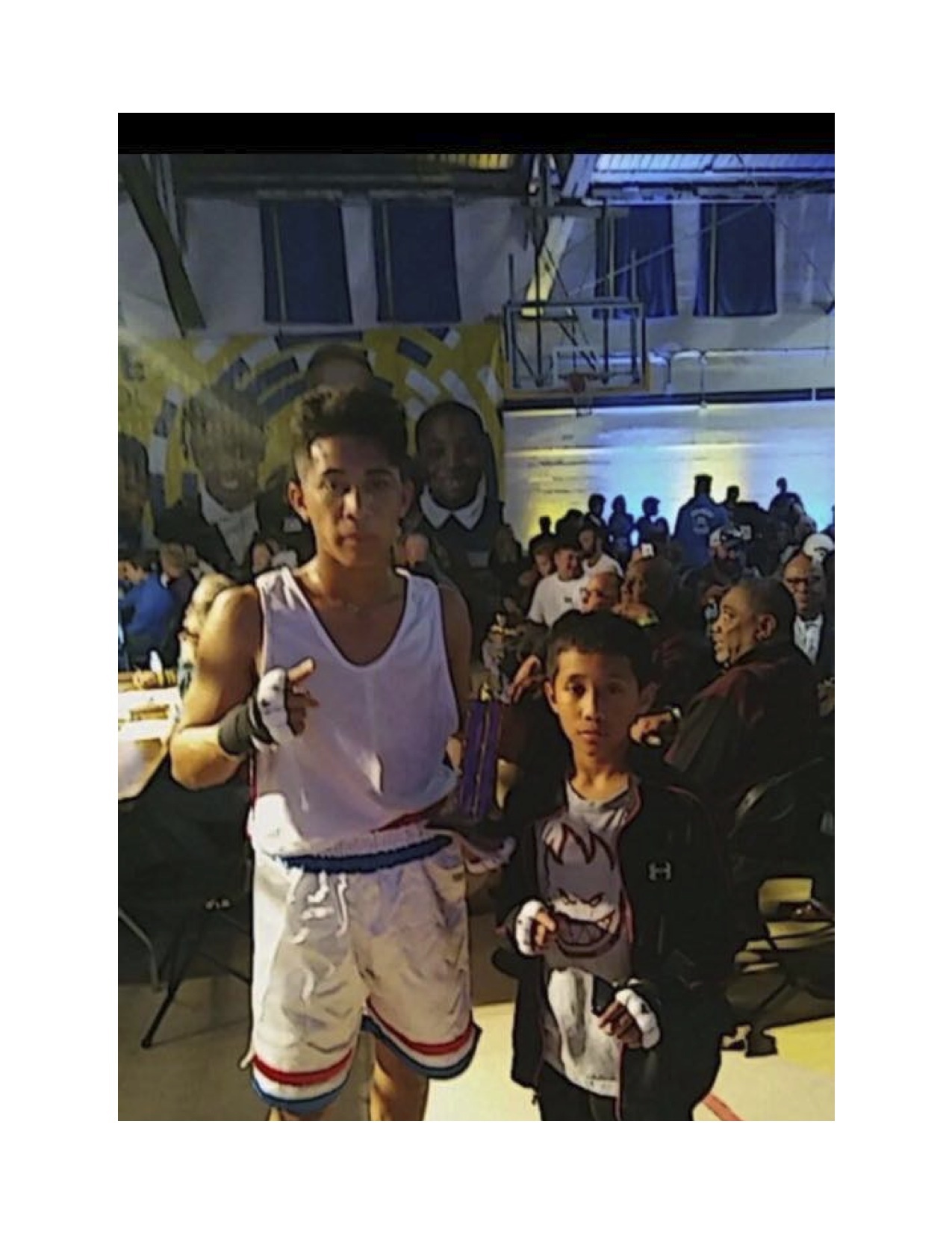
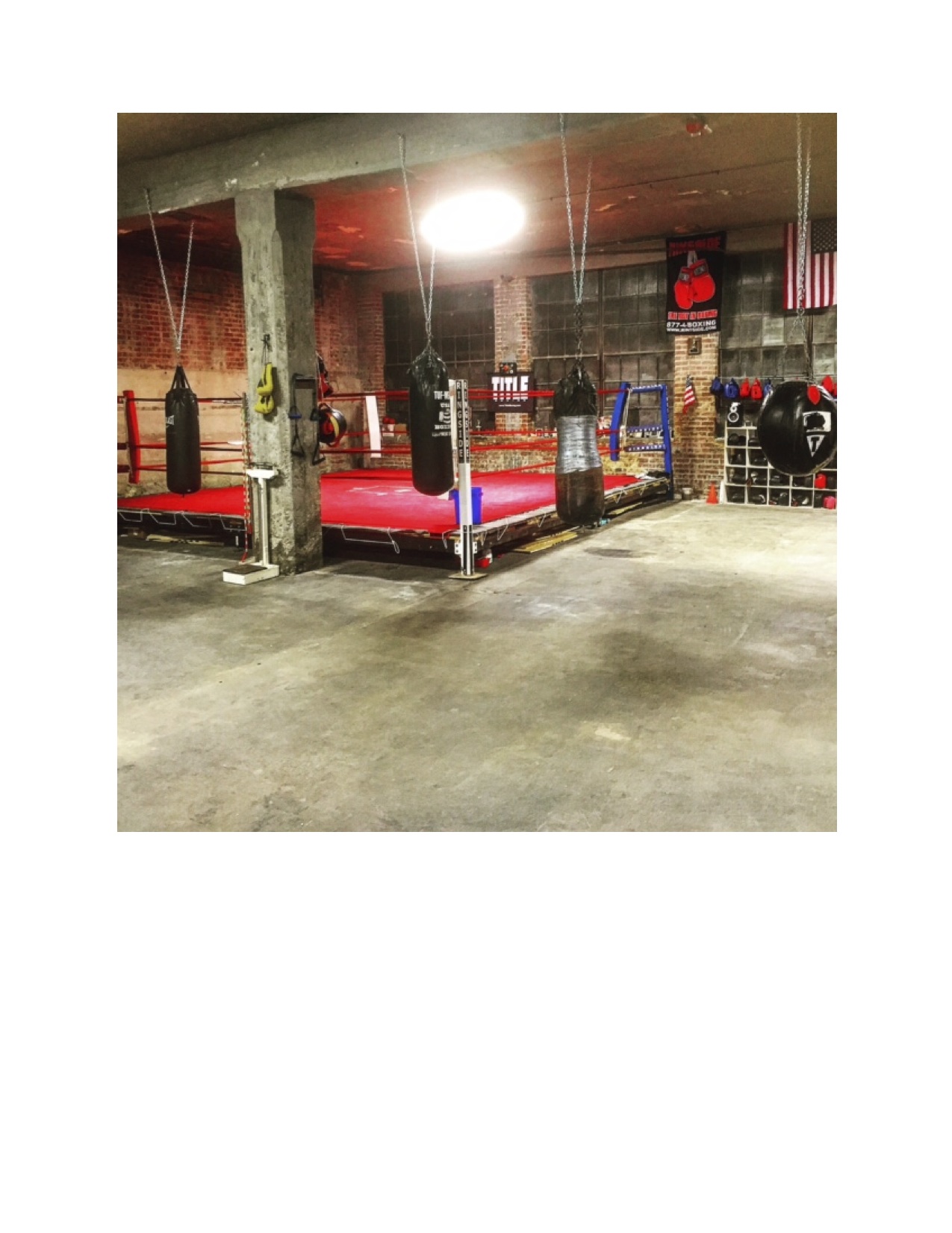
Jose Campos grew up a fight fan and competed as an amateur. For years now, he’s applied his ring savvy teaching the Sweet Science at Jackson’s Boxing Club, 2562 Leavenworth Street, where he’s head coach.
He’s worked with kids-adults, amateurs-pros, journeymen-champions. When he looks at Ralston High School senior Juan Vazquez, he sees world-class potential.
“I’ve only had four or five kids that I said, ‘For sure, he’s going to be something,’ and Juan is one of them. If he sticks with it, he’s going to be a world champion for sure.”
Vazquez, 17, won the National Junior Olympics title at 152 pounds earlier this year in West Virginia. He made it to the semifinals of a regional qualifier in Tennessee in October, Campos sees similarities
between four-time world pro world titilist Terence Crawford of Omaha and Vazquez at the same age.
“I coached with Terence’s coach, Esau Dieguez, for four years. I see a lot of things Juan does the same way Terence used to do it. It’s exciting to see that in somebody I’m coaching now.”
The first week in December, Vazquez lost in the semis at USA Boxing’s National Championships in Salt Lake City, Utah. Despite finishing in third place. he’s still been invited to train with the U.S. Olympic team in Colorado Springs next May. He’s next man up for international competitions should either of the two fighters ahead of him not be able to travel.
Campos has another promising fighter in his own son, 142-pounder Marco Campos, who, like Vazquez, is nationally ranked. Marco competed in Salt Lake and will join Vazquez in training with the Olympic team.
“Being part of the USA team is everything,” Jose Campos said. “Promoters are paying attention to them. Once they turn 18, there are contracts waiting for them.”
Win or lose, fighting for one’s club or country or for money, the coach wants his boxers prepared for life.
“I tell all my kids they have to go to school, they have to get a degree. Boxing, one day you’re on top, the next day something happens to you. They need to have something to fall back on.”
Besides being a student of the ring, where he’s progressed from slacker to prospect, Vazquez also applies himself at school. Campos said his prodigy is mature for his age.
“A lot of people think he’s older than what he really is.”
Campos describes the dramatic transformation his star pupil made.
“Usually, kids come because they want to do it and they want to be part of this. Usually, parents are like, ‘If my kid doesn’t want to do this, I’m not going to make him.’ Well, with Juan, his mom brought him to me because he was so overweight and he didn’t do anything after school. He just sat down at home playing video games. His mom wanted him to do something. It didn’t come from him.”
All it took to get Vazquez motivated was his coach challenging him.
“If you’re going to come train with us, you’re going to train,” Campos said. “We don’t do things half way. I don’t let the kids compete unless they’re prepared. It’s a way of life, it’s hard, it’s not for everyone.”
Even when pushed to his limits, “Juan kept coming back” and improving, Campos said. “Some guys advance faster than others and Juan picked things up quickly.”
After shedding pounds and learning the ropes, Vazquez decisively won his first few fights. He was hooked.
“He started to work really hard,” said Campos, who also coaches at Premier Combat Center.
Vazquez’s early bouts were in upper weight divisions. As he moved up in competition, he didn’t have the strength to dominate anymore. He still finished as runner-up at 165 pounds in a national tourney. “He was outsmarting them in there,” Campos said, “but at the end of the day they were too big for him. We decided to go down to 152 and that’s where we’re going to stay. That’s where his body feels more comfortable and he’s at his strongest.”
Should Vazquez eventually turn pro, he’ll fight lighter yet, perhaps at 135-pounds.
So far, Vazquez’s work ethic has not wavered. If it does, Campos will call him on it.
“If you don’t train hard, you’re going to get hurt. One fight can change the rest of your life.”
Campos knows Vaquez dreams of going pro but he also realizes “that could change,” adding, “It’s hard to predict. Things happen in life. You never know what’s going to happen with these kids. I’ve had other Juans in my gym before with his talent. Unfortunately, for whatever reasons, they didn’t continue in boxing.”
Like his gym-mates, Vazquez usually depends on donations and scholarships to travel to tournaments. “He doesn’t have the money to do these things,” Campos said. “His mom’s a single mom.” USA Boxing will pay for Vazquez’s and Marco’s Olympic training.
For Campos, it’s not about the titles won but the growth young people make at Jackson’s Boxing Club.
“It inspires me watching these kids develop. It makes me happy. They validate me in what we’re doing. It’s not just me. Coach Christian Trinidad works with the kids, too. Christian used to box for me. He was an outstanding fighter. For medical reasons, he had to stop.”
Trinidad, he said, is “the other half of the coaching we do with Juan – we have brought Juan up together.”
Similarly, Campos said his son and Vazquez “have come up together and make each other better.”
Those two are the most high-profile competitors, but they’re not the only ones making noise at Jackson’s.
“We have a really good crop of fighters who are fighting at a very high level. Five are nationally ranked. I’m not sure if there’s another local gym that can say that.”
Visit jacksonsboxingclub.com.
Read more of Leo Adam Biga’s work at leoadambiga.com.
Huskers’ Winning Tradition: Surprise Return to the Top for Nebraska Volleyball
January 21, 2018
Leave a comment

Huskers’ Winning Tradition: Surprise Return to the Top for Nebraska Volleyball
©by Leo Adam Biga
©Photography by Scott Bruhn
The University of Nebraska-Lincoln volleyball team entered 2017 with tempered expectations after losing three All-Americans and two assistant coaches from the previous season. But what began as a rebuilding year became a 32-4 national championship campaign for the overachieving Huskers, who capped an unexpected return to the pinnacle of their sport by defeating Florida in four sets in the NCAA title match on Dec. 16.
Thousands of Big Red fans made the trip to Kansas City for the Final Four, where a record crowd of 18,000-plus viewed the deciding contest.

While tradition-rich Husker football has been in the doldrums for two decades, the equally tradition-rich volleyball program has carried the school’s elite athletic banner. NU volleyball and its gridiron brothers have now won five NCAA titles apiece. This was NU’s second volleyball crown in three years and the fourth under head coach John Cook since succeeding program architect Terry Pettit in 2000.
Cook was an assistant under Pettit, whose stellar work at Nebraska—including one NCAA title (along with his overall contributions to the sport)—landed him in the American Volleyball Coaches Association Hall of Fame back in 2009. The current Huskers volleyball coach joined his predecessor as an inductee in the fall of 2017. Cook’s formal induction came only hours before facing the No. 1 seed Penn State in the semifinals of the NCAA Tournament.
Cook has said the 2017 Huskers, led by Papillion native and setter extraordinaire Kelly Hunter, were a joy to coach because they actually lived out their season slogan: “with each other, for each other.” That mantra got tested early when the young, inexperienced squad opened the season without an injured Hunter on the court and promptly suffered two losses—one against future NCAA finals opponent Florida. But the Huskers stayed the course and with Hunter back at setter the rest of the way, they rallied to finish the non-conference schedule with a 7-3 mark. The team really found its groove in tough Big Ten play, going 19-1 to share the league championship with arch-rival Penn State, and finished the regular season 26-4.

Hunter and fellow seniors Briana Holman (middle blocker) and Annika Albrecht (outside hitter) led the way with junior outside hitter Mikaela Foecke and junior libero Kenzie Maloney. Two dynamic freshmen—middle blocker Lauren Stivrins and outside hitter Jazz Sweet—rounded out the balanced team volleyball approach that became NU’s trademark. No superstars. Just solid players executing their roles and having each other’s backs, whether at the net or in the back-row.
Hunter, Albrecht, and Foecke did earn All-America honors.
Months before seeing Penn State in the semifinals, on Sept. 22, NU dealt the No. 1-ranked and star-studded Nittany Lions their only regular-season loss by sweeping them at Happy Valley. The Huskers earned the right to host a first-round NCAA Tournament playoff in Lincoln, where fans jammed the Devaney Center. Fifth-seeded NU swept both its foes to advance to regionals in Lexington, Kentucky, where NU downed Colorado and host Kentucky, dropping only one set in the process.
For their national semifinal match in K.C., the Huskers drew Big Ten nemesis and No. 1 overall seed Penn State. In an epic classic, the Big Red prevailed in five sets. Then, in the ensuing final against Florida, NU avenged that early season loss to the Gators in capturing collegiate volleyball’s top prize. Hunter and Foecke were named co-outstanding players of the tournament.
In 2018, NU loses Hunter, Holman, and Albrecht—look for at least one to be the latest Husker to make the U.S. national team—but the team otherwise returns with the core stable of their 2017 championship team. NU will add four top recruits to the mix, too. As defending champs, no one will underestimate the Huskers this time. A key to the season will be finding a setter to replace Hunter, the team’s on-court quarterback. Incoming freshman Nicklin Hames may just be the heir apparent in that key role.
But you can bet that Cook & Co. will stress the benefits of playing team volleyball in search of another title.

To learn more about how volleyball has become the top sport in Nebraska (and how Omaha plays an important role in the talent pipeline) be sure to pick up the January/February edition of Omaha Magazine featuring my cover story. Or link to the story here: https://leoadambiga.com/2018/01/21/the-state-of-vol…rican-volleyball/
The State of Volleyball: How Nebraska Became the Epicenter of American Volleyball
January 21, 2018
1 comment
The State of Volleyball: How Nebraska Became the Epicenter of American Volleyball
©by Leo Adam Biga
©Photography by Bill Sitzmann
Originally published in Jan-Feb 2018 issue of Omaha Magazine

For generations, football gave Nebraska a statewide identity. But with Husker gridiron fortunes flagging, volleyball is the new signature sport with booming participation and success.
Here and nationally, more girls now play volleyball than basketball (according to the National Federation of State High School Associations).
“It’s the main or premier sport for women right now,” Doane University coach Gwen Egbert says.
Omaha has become a volleyball showcase. The city hosted NCAA Division I Finals in 2006, 2008, and 2015, with the Cornhuskers competing on all three occasions (winning the national title in 2006 and 2015).
Packed crowds at the CenturyLink Center will once again welcome the nation’s top teams when Omaha hosts the championships in 2020. Meanwhile, Creighton University is emerging as another major volleyball powerhouse, and the University of Nebraska-Omaha has made strides in the Mavericks’ first two years of full Division I eligibility since joining the Summit Conference.
In the 2017 NCAA tournament, Creighton advanced to the second round (but fell to Michigan State). As this edition of Omaha Magazine went to press, the Cornhuskers headed to regionals in hopeful pursuit of a fifth national championship.
“The fact Nebraska has done and drawn so well, and that kids are seeing the sport at a high level at a young age, gets people excited to play,” says Husker legend Karen Dahlgren Schonewise, who coaches for Nebraska Elite club volleyball and Duchesne Academy in Omaha.
The University of Nebraska-Lincoln first reached a national title game with Schonewise in 1986. The dominant defensive player set Nebraska’s career record for solo blocks (132)—a record that still stands—before going on to play professionally. (The Cornhuskers didn’t win the national championship until 1995.)

“I think the amount of kids that play in Nebraska is No. 1, per capita, in the country. I think the level of play is far higher than many states in the country,” says Omaha Skutt Catholic coach Renee Saunders, whose star freshman, 6-foot-3 Lindsay Krause, is a UNL verbal commit.
Volleyball’s attraction starts with plentiful scholarships, top-flight coaching, TV coverage, and professional playing opportunities.
Few states match the fan support found here.
“We have probably the most educated fans in the nation,” Saunders says. “They’re a great fan base. They know how to support their teams, and they’re very embracing of volleyball in general.”
The lack of physical contact appeals to some girls. The frequent team huddles after rallies draw others.
Omaha Northwest High School coach Shannon Walker says “the camaraderie” is huge. You really have to work together as a unit, communicate, and be six people moving within a tiny space.”
Volleyball’s hold is rural and urban in a state that has produced All-Americans, national champions, and Olympians.
The Husker program has been elite since the 1980s. Its architect, former UNL coach Terry Pettit, planted the seeds that grew this second-to-none volleyball culture.
“He really spearheaded a grassroots effort to build the sport,” says Creighton coach Kirsten Bernthal Booth. “Besides winning, he also worked diligently to train our high school coaches.”
“It’s important to realize this goes back many years,” former Husker (2009-2012) Gina Mancuso says, “and I think a lot of credit goes to Terry Pettit. He created such an awesome program with high standards and expectations.”
Pettit products like Gwen Egbert have carried those winning ways to coaching successful club and high school programs and working area camps. Egbert built a dynasty at Papillion-LaVista South before going to Doane. Several Papio South players have excelled as Huskers (the Rolzen twins, Kelly Hunter, etc.).

Their paths inspired future Husker Lindsay Krause.
“Seeing the success is a big motivation to want to play,” Krause says. “Just watching all the success everyone has in this state makes you feel like it’s all the more possible for you to be able to do that.”
Many top former players go on to coach here, and most remain even after they achieve great success.
Walker says quality coaches don’t leave because “it’s the hotbed of volleyball—they’re staying here and growing home talent now.”
“It’s us colleges that reap the benefits,” Bernthal Booth says.
Pettit says it’s a matter of “success breeds success.”
Schonewise agrees, saying, “Once you see success, others want to try it and do it and more programs become successful.”
“The standard is high and people want to be at that high level. They don’t want to be mediocre,” UNO coach Rose Shires says.
Wayne State, Kearney, Hastings, and Bellevue all boast top small college programs. In 2017, Doane was the first Nebraska National Association of Intercollegiate Athletics program to record 1,000 wins.
“We’ve got great Division I, Division II, NAIA, and junior college volleyball programs,” says Bernthal Booth, who took the Creighton job in part due to the area’s rich talent base. She feels CU’s breakout success coincided with the 2008 opening of D.J. Sokol Arena, which she considers among the nation’s best volleyball facilities.
“All these colleges in Nebraska are in the top 25 in their respective divisions,” Saunders says. “It’s crazy how high the level of play has gone, and I think it’s going to keep going that way.”
“It’s really built a great fan base of support,” Mancuso says, “and I think the reason the state produces a lot of great volleyball players is the fact we have great high school coaches, great college programs, and great club programs.”
Club programs are talent pipelines. There are far more today than even a decade ago. Their explosion has meant youth getting involved at younger ages and training/playing year-round. Nebraska Elite is building a new facility to accommodate all the action.
“The athleticism found in the state has always been pretty high, but the level of play has definitely improved. The kids playing today are more skilled. The game is faster,” Egbert says. “When I started out, you’d maybe have one or two really good players, and now you could have a whole team of really good players.”
“You have your pick of dozens of clubs, and a lot of those clubs compete at the USA national qualifiers and get their players that exposure,” says Shannon Walker, the Northwest High School coach who is also the director of the Omaha Starlings volleyball club.
“Volleyball is such a joy to be a part of in this state,” Mancuso says.

“It’s cool to be a part of everything going on in Nebraska and watching it grow and develop,” Skutt freshman phenom Krause says.
“My goal is to make Lindsay ready to play top-level Division I volleyball by the time she graduates here,” Saunders says. “She already has the physicality, the competitive edge, the smarts. Now it’s just getting her to play to her full potential, which she hasn’t had to yet because she’s always been bigger than everybody. She’s definitely not shy of challenges. I feel like every time I give her a challenge, she steps up and delivers.”
Krause values that Saunders “gives great feedback on things I have to fix.”
Native Nebraskans dot the rosters of in-state and out-of-state programs. Along with Krause, Elkhorn South freshman Rylee Gray—who holds scholarship offers from Nebraska and Creighton—may emerge as another next big name from the Omaha metro. But they are both still a few years from the collegiate level.
UNO’s Shires says “impassioned” coaches like Saunders are why volleyball is rooted and embraced here. Shires came to Omaha from Texas to join the dominant program Janice Kruger built for the Mavericks at the Division II level. Kruger, now head coach at the University of Maryland, was previously captain of the Cornhuskers’ team (1977).
Further enhancing the volleyball culture, Shires says, is having former Olympian Jordan Larson and current pro Gina Mancuso come back and work with local players. Mancuso’s pro career has taken her around the world. She wants the players she works with at UNO, where she’s an assistant, to “see where it can take them.”
As volleyball has taken off, it’s grown more diverse. Most clubs are suburban-based and priced beyond the means of many inner-city families. The Omaha Starlings provide an alternative option. “Our fees are significantly lower than everybody else’s,” says Walker, the club’s director and Northwestern’s coach. “Anybody that can’t afford to pay, we scholarship.”
Broadening volleyball’s reach, she says, “is so necessary. As a result, we do have a pretty diverse group of kids. I’ve had so many really talented athletes and great kids who would have never been able to afford other clubs. We’re trying to even the scale and offer that same experience to kids who have the interest and the ability but just can’t afford it.”
“It’s very exciting to see diversity in the sport—it’s been a long time coming,” Schonewise says.
Forty-five Starlings have earned scholarships, some to historically black colleges and universities. Star grad Samara West (Omaha North) ended up at Iowa State.
Starlings have figured prominently in Omaha Northwest’s rise from also-ran to contender. Eight of nine varsity players in 2017 played for the club.
Walker knew volleyball had big potential, yet it’s exceeded her expectations. She says while competition is fierce among Nebraska coaches and players, they share a love that finds them, when not competing against each other, cheering on their fellows in this ever-growing volleyball family/community.
“It’s awesome,” Walker says. “But I don’t think we’ve come anywhere close to reaching our peak yet.”
From couch potato to champion pugilist
November 22, 2017
1 comment
From couch potato to champion pugilist
©by Leo Adam Biga
Appeared in December 2017 issue of El Perico (el-perico.com)

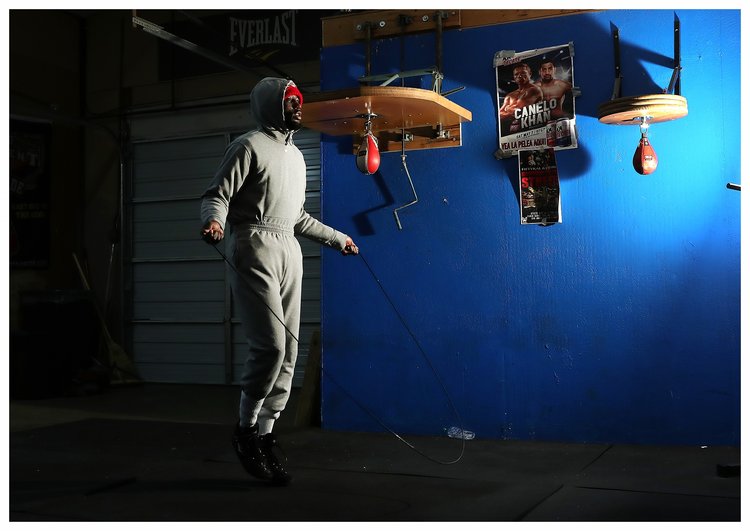
No one expected nationally ranked amateur fighter Juan Vazquez, 17, to be the poster boy for how boxing can transform your life. Four years ago, the now Ralston High senior was an obese couch potato who preferred video games over physical activity.
Even after his mother practically dragged him to Jackson’s Boxing Club in south downtown, where his older brother trained, he cut up rather than worked out. Head coach Jose Campos expected Vazquez to quit when he pushed him hard in training. But Vazquez took everything Campos and assistant coach Christian Trinidad dished out and came back for more. He rapidly shed pounds and learned ring skills. Mere months after getting serious, he fought bouts – and won.
“I tend to pick things up quickly,” Vazquez said.
Campos knew he had someone special when Vazquez kept beating or nearly beating more experienced foes.
“It inspired him to get better because he knew that if he could compete with these high level kids with his little experience then he was going to be something, and he did. He started to work really hard.”
Vazquez won Silver Gloves regionals and twice won Ringside youth world championships. Then he became a national Junior Olympic champion at 152 pounds in West Virginia. He’s now a USA team hopeful eyeing the 2020 Summer Olympics in Tokyo, Japan.
No one’s more surprised than Vazquez himself.
“I never thought I would compete like this nationally, but as the years went by I’ve shown I’m really good at it. What I love most about the sport is that it keeps me in shape and it makes me a better person. Every day I try my hardest in everything I do. It just gets me through my days when I’m stressed.
“It’s always there for me. It’s made me into the person I am today. I’m doing good at school. I’m healthy, I’m eating right. It teaches you things you can use in real life. It’s taught me a lot about discipline When I train, I don’t cheat myself. If I don’t train hard, that’s going to end up turning into failure.”
Campos confirmed Vazquez is a quick study.
“He picks things up more and faster than other kids. When Juan goes into a fight, it takes him a round or half a round to feel out the other kid. He’s looking for mistakes they’re making, for flaws in their game, and once he sees it, he works off that.”
Reading opponent tendencies shows a cerebral side.
“I see everything,” Vazquez said. “I’m jabbing, feeling how hard they hit, what their favorite punch is, what are they throwing often, and how can I counter all that.”
Campos said Vazquez can adapt thanks to unusual versatility.
“If Juan notices he needs to go forward, he’s really good at going forward. If he notices he needs to box and move around, he’s really good with his footwork. If he needs to switch from right-handed to left-handed, he will do that, and be just as good, which is pretty impressive. You only see that from high level professional fighters.”
This complete package compels Campos to sing his prodigy’s praises.
“He’s smart, he’s calm and he’s super tough – physically and mentally. There is no quit in him. It’s rare. He’s one of those kids where if he sticks with it, he’s going to be a world champion for sure.”
Vazquez, who’s trained with world champion Terrence Crawford of Omaha, said, “I want to make this my career. I honestly want to pursue it for the rest of my life, I’m willing to take it all the way – as far as I can.”
His family supports him right down the line.
“They tell me to pursue it. When they see me fighting, they see I have the potential to be one of the greatest in the sport. I see it, too. They see that boxing has really helped me with my life – with just everything.”
Even though he has his mom to thank for introducing him to the gym, he’s taken it far beyond her imagination.
“She never thought it’d be like this.”
She’s happy for his success but can’t bring herself to watch him fight,
“She’s scared to see me getting hit. She never wants me getting hurt. She’s really protective over me.”
Only his pride was hurt when he lost in the semi-finals ofa national tournament in Tennessee.
“I thought it was a really close fight, but you can’t really be mad at anybody but yourself. You just have to go back to the gym and start training again.”
Campos feels too much time off hurt his boxer.
“He didn’t get to fight in between the Junior Olympics (in July) and this tournament (in October) because we couldn’t find him any opponents, so he got rusty.
“This kid needs to be active.”
Vazquez is in training now for a December tournament in Salt Lake City, Utah that will decide the USA boxing team for upcoming international competitions.
“That’s where I really need to bring it because that’s the one that’s going to determine who’s going to take that spot,” Vazquez said.
With a fighter who’s come so far, so fast, it’s no wonder Campos uses Vazquez as an example to others.
“I love that he does it,” Vazquez said. “It shows kids there is a chance for you to be slimmer and to up your lifestyle. It’s not all about eating junk food and playing games. You have to work out to keep your body in shape to live a healthier and better life.”
The nonprofit Jackson’s Boxing Club, 2562 Leavenworth St., holds fundraisers and accepts donations to send kids like Juan to competitions.
For details, visit jacksonsboxingclub.com.
Read more of Leo Adam Biga’s work at leoadambiga.com.
Baseball and Soul Food at Omaha Rockets Kanteen
June 23, 2017
2 comments
Baseball and Soul Food at Omaha Rockets Kanteen
Story by Leo Adam Biga
Photography by Sarah Lemke
Originally published in Omaha Magazine (http://omahamagazine.com/articles/baseball-and-soul-food/_)
When baseball still ruled as the national pastime, Omaha showcased the game’s still prevalent but loosening black-white divide. In 1947, the year Jackie Robinson broke Major League Baseball’s color barrier, the barnstorming Omaha Rockets began to play. In an era when entire leagues and teams were drawn along racial lines, the all-black Rockets faced both segregated and integrated foes. A few Rockets went on to make history or gain fame. Most faded into obscurity.
Although the Rockets were not formally in the Negro National League, an association of teams made famous by Satchel Paige and Buck O’Neil, the Rockets were an independent semi-pro farm club of the league’s famous Kansas City Monarchs.
The Omaha team even trained with the Monarchs. Three former K.C. players— Horatius Saunders, Mack Massingale, and James “Cool Papa” Bell—variously managed the club.
Donald Curry pays homage to this black baseball history at his Omaha Rockets Kanteen. The soul food eatery inside the Lake Point Building (at 24th and Lake streets) is packed with memorabilia relating to black ballplayers and teams. Dedicated menu items include Octavius Cato’s Jerked Turkey Taco, the Willie Mays Soul Wrap, and Birmingham Black Baron Sweet Potato Pie.
Curry’s Southern Pitch soul food truck features the same concept.
The Omaha native operated similar-themed food businesses in Chicago, where he befriended ex-Negro Leaguers. One, Alvin Spearman, informed him of the Rockets. Curry knew Omaha was a stomping ground for the Monarchs. Learning that the city fielded a black team, which enjoyed close currency with the Monarchs, sweetened the pot and provided his current establishment’s name.
Curry says he’s created “a living memorial” to black owners, managers, and players in admiration of “their fortitude” pursuing professional baseball careers despite lacking the talent or opportunity to play higher-level organized ball. He likes the lessons imparted.

“They didn’t cry or complain about the situation,” he says. “Everyone goes through things, and everyone is denied certain things in life. But if you keep your head up and push forward, you can overcome those obstacles and succeed in what you set your mind to. They created their own leagues and styles of ball. Some of them became pretty well-off for that time.”
The vast majority of black ballplayers, just like their white counterparts, never played for a paycheck, but for love of the game. Whether competing for semi-pro, town or company baseball teams, or fast-pitch softball teams, they lived out their diamond dreams.
Curry hopes to add Rockets’ materials to “the treasure trove” of signed photographs and other lore displayed at Kanteen. He may name some dishes after Rockets. Curry’s collection includes personal scrapbooks of Pittsburgh Crawfords legend Jimmie Crutchfield.
The team’s owner, Will Calhoun, launched the Rockets after he got the “baseball bug.” He rented out flats at 25th and Lake, which he generously called a hotel. Touring black athletes, denied by other establishments, stayed there. The Tyler, Texas, native and World War II veteran got into the game just as minor and major league strictures lifted and the Negro Leagues declined. Calhoun pressed on anyway, boasting, “I’ve got a little money. I know why so many of these teams failed. They tried to get by on a shoestring and didn’t have anything to offer the public.” He promised to “add a little more show to my Rockets.”
The Omaha World-Herald termed the Rockets his “noble experiment.”
The team made Legion Field in Council Bluffs its home park and barnstormed across Nebraska and into Iowa, South Dakota, Kansas, and Colorado via its own bus. The club even went into Canada and the Pacific Northwest. Its opponents included town teams and other touring teams, such as House of David.
At least one Rocket, Kenny Morris, claimed local ties. The former standout Boys Town athlete played outfield and third base for the Rockets. Mickey Stubblefield, William McCrary, and Eugene Collins all spent time with the Rockets between moves up and down organized baseball. Stubblefield, a journeyman pitcher, became the first black in the Kitty League and among the first blacks in the Nebraska Independent League. He ended his career in McCook, Nebraska, where he raised a family of 10. He later moved to Atlanta, Georgia. In 2011 he returned as Grand Marshal of McCook’s “Heritage Days” festivities.
Dick “Night Train” Lane was a multi-sport star in his native Austin, Texas. He then moved north to live with his mother in Council Bluffs, where a baseball scout signed him to play for the Rockets. He played one year of football at Scottsbluff Junior College in Nebraska. After entering the U.S. Army and excelling on military teams, he signed with the NFL’s Los Angeles Rams and went on to a Hall of Fame career.
Teams like the Rockets faded as baseball popularity waned and televised sports cut into attendance. Ever the promoter, Calhoun paired his Rockets with the Minneapolis Clowns in 1950 to try and boost crowds.
The Rockets soon disbanded but Curry celebrates them within larger black athletics history. His Kanteen is now home to Nebraska Black Sports Hall of Fame displays.
His food, culled from family recipes, celebrates African-American cuisine—collard greens, cornbread dressing, red beans and rice, mac and cheese, candied yams—only prepared healthier. Smoked turkey, for example, replaces ham hocks. Olive oil replaces butter.
Curry takes seriously the Kanteen creed: “Enjoy the food, digest the history.”
“We might as well be a museum serving food,” he says.
Visit omaharocketskanteen.com for more information.
This article appears in the July/August issue of Omaha Magazine.

Omaha warrior Terence Crawford wins again but his greatest fight may be internal
May 21, 2017
4 comments
_8.jpg)
©Photo by Mikey Williams
Omaha warrior Terence Crawford wins again but his greatest fight may be internal
©by Leo Adam Biga
Terence Crawford defeats Felix Diaz to retain his 140-pound world championship and to remain unbeaten.
That’s all well and good, but as Crawford is discovering, life outside the ring comes with consequences, too, and the streets that forged him are still a part of him and can, if he’s not careful, bring him down. His life, like all of ours, is a complicated business. The fact he’s come so far so fast from where he started and where he still has roots is causing him to be in situations that in some cases he’s ill-prepared to deal with. He’s straddling vasty different worlds and trying to keep his equilibrium and integrity in them. It’s a work in progress playing out on a national and international stage. The head-strong Crawford would be well-served to listen to the advice of the wise people who’ve come forward to counsel him. Yes, he needs to be his own man, but he also needs to acknowledge when he’s out of his depth. No one any longer questions his boxing genius. Or his heart for his community and for his family and friends. As for the rest of it, only time will tell.
He is a warrior or soldier, it’s true, and much of that combative spirit is admirable, but it also has its costs. Sometimes, it’s the exact thing you don’t need or want to be. Sometimes, the opposite is called for. Sometimes, it’s more courageous and certainly smarter to back off or to deliberate or to live to fight another day, another time, another round. It’s a quality he shows in the ring. He needs to show that same quality outside the ring, too.
For three perspectives on the forces that have shaped him and that make him the endlessly complex individual he is, you might want to check these out–
https://www.nytimes.com/…/terence-crawford-world-champion-profile.html
https://leoadambiga.com/tag/terence-crawford/
New approach, same expectation for South soccer
April 14, 2017
1 comment
Omaha South High boys soccer is good again. No news there. By now, it’s become a tradition. In a you-can’t-take-anything-for-granted world, few things have become more dependable in Omaha high school sports than this program competing for district and state honors. It’s not exactly a given but at this point the team is expected to win every time out no matter who they play, no matter how few returning starters there on the roster, no matter who’s injured. The 2017 team lacks experience and suffered some key injuries before the season even began and yet the expectations both inside and outside the program remain high. As in get-to-the-state-tournament and win- it-all high. South did it last year and a couple years before tha, toot. The Packers have been in the hunt for the title several other years. Coach Joe Maass has a full-blown dynasty on his hands and he’s trying to learn from the past to help keep his latest defending champion squad hungry and peaking at the right time. Here’s an El Perico story I wrote in late March laying out how Coach Maass sees his team shaping up.

New approach, same expectation for South soccer
©by Leo Adam Biga
Originally appeared in El Perico
Lessons learned when Omaha South boys soccer won it all in 2013 inform the way coach Joe Maass does things now following last year’s second state title. He not only draws on that earlier experience but on a recent family challenge and the expertise of fellow coaches.
Heavy graduation losses from last year’s championship team have him invoking “a Bill Belichick approach.” he said, referring to the New England Patriots head coach. “The Patriots don’t always have the best players yet he’ll grab somebody’s second-team player or a late round draft pick and make them a fit for his system, We’ve focused a lot more on working hard in practice then maybe we did the year after we won it the first time.”
Hard work rubs off the youth on so many new faces.
“We feel like our talent level could drop off because we’re younger,” Maass said. “We only have four or five seniors, so we’ve had to just kind of bring a blue-collar mentality to it.”
He said his Packers reflect South Omaha’s personality.
“Blue-collar tough. That’s South Omaha to me. We’re not the biggest, but we’ll bang with you if you want.”
Attitude’s everything for this perennial power everyone wants to take down.
“These guys have to remember they play for South. Every team we play approaches it like the World Cup, so we can’t let up or coast. The fact we’re defending state champions just adds to it. The first time we won it we took it serious but I didn’t realize how serious it had to be. This time it’s been more of a business-like approach.”
Twin brothers Issac and Israel Cruz, along with Emilio Margarito, are top returnees who model high expectations.
“Those guys get it. The trick is getting some of the younger guys to. Like we’re starting a freshman and a sophomore. But a lot of new players are buying into the culture those older guys set. It’s good to see.”
Regarding the Cruz boys, he said, “They’ve been starting since their freshman year. They’ve always been leaders. Everyone respects them. It’s just how it is.
They set the standard.”
“Same thing for Emilio Margarito. He’s a team captain now.”
Maass believes in open competition at practice. Nobody’s spot is guaranteed.
“If they don’t work hard, they’ll be called out. Every day you’re competing.”
This year even more so because of injuries.
“There’s been a lot of attrition – more than we’ve had in years. One of the things we talk about is next man up.”
That mantra’s extended from preseason tryouts for open spots to now and it’s already paid dividends.
With returning goalkeeper Adrian Feliz out due to injury, his spot came down to two players until one quit. That gave the job to Jeramiah Gonzales, whose brilliant opening weekend performance included a shutout of Burke in his first career start, followed by five stops of penalty kicks in a shootout against South Sioux City.
“Extraordinary,” is how Maass described what Gonzales did. “I’ll probably never see it in my lifetime again.”
He said when Felix comes back, he won’t automatically step into the starter role. He’ll have to earn it.
“They will be competing every day.”
Joe Maass
Since Maass adopted next-man-up as a team philosophy, he said, “it feels like things are working better – there’s a lot more team harmony.” He added, “Back in the day, with some hot shot kids who wanted to do things their way it caused problems. We might have won, but it wasn’t fun.”
Forward Jose Hernandez is another player who, Maass said, “gets it.” “He was promoted from the sophomore team to the varsity for the Tennessee (Smoky Mountain) tournament last year and he scored the goal that helped us beat one team. He scored the first goal at state last year coming off the bench. He knows this is what you have to do. It’s not how many minutes you get, it’s what you do with them.”
Now in his 18th year, Maass has learned patience.
“We tell our kids, ‘Don’t worry about the first few games, let’s worry about games 17-18.’ As long as we’re clicking at the end, it doesn’t even matter what we’re doing right now. We just have to figure each other out and get better every day.”
His own priorities got a reality check last year when his wife Ann, an ESL instructor at South, was diagnosed with breast cancer. Chemo treatments and a double mastectomy later, the cancer’s in remission.
“When it first hits you, your whole life just kind of spins.”
During Ann’s illness he took a more active hand in their two young children’s lives and extracurricular activities.
“I even contemplated stepping down as coach to be a better family man but at the end of the day we managed it, and here I am. I want to win games and championships but helping younger kids is probably more important after this.”
Having taken South soccer from the bottom to the top, he’s focused on maintaing excellence.
“I just want to keep it moving along.”
He readily acknowledges assistant coaches have helped South become a dynasty.
“I’m not afraid to go out and find someone who challenges me as a coach and who on top of that can run drills and do things at a higher level than myself.
“We evolve with every coach we bring in.”
By May, South aims to win its district, return to state and compete for another title. Packer coaches, players and fans expect it. But, Maass said, “the key is to get there.”
Read more of Leo Adam Biga’s work at leoadambiga.com.
The end of a never-meant-to-be Nebraska football dynasty has a school and a state fruitlessly pursuing a never-again-to-be-harnessed rainbow
March 26, 2017
1 comment
The end of a never-meant-to-be Nebraska football dynasty has a school and a state fruitlessly pursuing a never-again-to-be-harnessed rainbow
©by Leo Adam Biga
Let’s start with the hard truth that the University of Nebraska never had any business being a major college football power in the first place. Don’t get me wrong, NU had every right to ascend to that lofty position and certainly did what it takes to deserve the riches that came with it. But my point is NU was never really meant to be there and therefore fundamentally was always out of its class or at least out of place even when it reigned supreme in the gridiron wars.
The fact is it happened though. Call it fate or fluke, it was an unlikely, unexpected occurrence whose long duration made it even more improbable.
In pop culture, self-identification terms, it was both the best thing that ever happened to the state of Nebraska and the worst thing. The best because it gave Nebraskans a mutual statewide rooting interest and point of pride. The worst because it was all an illusion doomed to run its course. Furthermore, it set Nebraskans up for visions of grandeur that are sadly misplaced, especially when it comes to football, because the deck is stacked against us. Far better that we aspire to be the best in something else, say wind energy or the arts or agriculture or education, that we can truly hold our own in and that reaps some tangible, enduring benefit, then something as inconsequential, tangential and elusive as football.
Husker football became a vehicle for the aspirational hopes of Nebraskans but given where things are today with the program those aspirations read more like pipe-dreams.
The critical thing to remember is that it was only because an unrepeatable confluence of things came together at just the right time that the NU football dynasty occurred in the first place. NU’s rise from obscurity to prominence took place in a bubble when peer school programs were in a down cycle and before that bubble could be burst enough foundation was laid to give the Huskers an inside track at gridiron glory.
The dynasty only lasted as long as it did because the people responsible for it stayed put and the dynamics of college football remained more or less stable during that period, thus prolonging what should have been a short rise to prominence and postponing the rude awakening that brought NU football back down to earth,.
Please don’t point to the program as the reason for that remarkable run of success the Huskers enjoyed from 1962 through 2001. It was people who made it happen. The program was the people. Once the people responsible for the success left, the results were very different. I mean, there’s never stopped being a program. It’s the people running the program who make all the difference, not the facilities or traditions.
Yes, I know there was a time when NU was successful in football prior to Devaney. From the start of the last century through the 1930s the Huskers fielded good, not great teams before the death valley years of the 1940s and 1950s ensued. But NU was never a titan the way Notre Dame, Minnesota, Michigan, Ohio State or other elite programs were back then.

Make no mistake about it, Bob Devaney was the architect of the wild success that started in the early 1960s and continued decade after decade. He deserves the lion’s share of credit for the phenomena that elevated NU to the heights of Oklahoma, Texas and Alabama. Without him, it would not have happened. No way, no how. His path had to cross Nebraska’s at that precise moment in time in the early 1960s or else NU would have remained an after-thought football program that only once in a while would catch fire and have a modicum of success. In other words, Nebraska football would have been what it was meant to be – on par with or not quite there with Kansas, Iowa, Missouri, Minnesota, Wisconsin, Illinois, Colorado and Wyoming. During NU’s half-century run of excellence the state schools in those states not only envied NU but despised the Big Red because they couldn’t understand why that same magic didn’t happen with their football operations. Among those states, all but Wyoming have larger population bases. Among the Division I schools, all but Wyoming have larger student enrollments. Those realities alone should have put NU at a decided disadvantage and given those schools a leg up where football was concerned.
But Devaney found ways to compensate for the lack of bodies, not to mention for all the other disadvantages facing Nebraska. One of Devaney’s chief strategies for overcoming these things became national recruiting and eventually the recruitment of African-American student-athletes in enough numbers to be a difference-maker on the field.
The continuity of Devaney’s staff was an important factor in sustaining success.
His hand-picked successor Tom Osborne was like the apprentice who learned from the master to effectively carry on the tradition without so much as one bad season. Osborne ramped up the national recruiting efforts and especially made African-American recruits more of a priority. Like his mentor, he maintained a cohesive staff around him. He also made even greater use of walk-ons than Devaney had in that no scholarship limit era. And most importantly he saw the future and embraced an ahead-of-its-time strength and conditioning program that made NU players bigger and stronger, no doubt with some help from steroids, and he eventually adopted the spread option on offense and the 4-3 on defense, emphasizing speed and quickness on both sides of the ball. The option-based, power running and play-action passing game became NU’s niche. It allowed the program to recruit to a style and identity that stood it apart. Now, NU runs a variation of what virtuarlly everybody else does in college football, thus giving it one decided less advantage.
As long as was one or the other – Devaney or Osborne – or both were still around, the success, while not guaranteed, was bound to continue because they drove it and they attracted people to it.
First Devaney died, then Osborne retired and then athletic director Bill Byrnes left The first two were the pillars of success as head coaches and Devaney as AD. The third was a great support. There were also some supportive NU presidents. Osborne’s curated successor, Frank Solich, and other holdover coaches managed a semblance of the dynasty’s success. And then one by one the pretenders, poor fits, revisionists and outliers got hired and fired.
Ever since Osborne stepped down, NU has been playing a game it cannot win of trying to recapture past success by attempting to replicate it. That’s impossible, of course, because the people and conditions that made that success possible are irrevocably different. Whatever manufactured advantages NU once possessed are now long gone and the many intrinsic disadvantages NU has are not going away because they are, with the exception of coaches and players, immutable and fixed.
Besides Nebraska being situated far from large population centers, the state lacks many of the attributes or come-ons other states possess, including oceans, beaches, mountains, cool urban centers filled with striking skylines and features and a significant African-American and diversity presence on campus. It also lacks a top-shelf basketball program to bask in. And while NU has kept up with the facilities and programs wars the Huskers’ peer institutions now possess everything they have and more.
The dream of NU fans goes something like this: Get the right coach, and then the right players will come, and then the corresponding wins and titles will follow. Trouble is, finding that right coach is easier said than done, especially at a place like Nebraska. The university has shown it’s not willing to shell out the tens of millions necessary to hire a marquee coach. I actually applaud that. I find abhorrent the seven figure annual salaries and ludicrous buy-out guarantees paid to major college coaches. I mean, it’s plain absurd they get paid that kind of money for coaching a game whose intrinsic values of teamwork, discipline, hard work, et cetera can be taught in countless other endeavors at a fraction of the cost and without risk of temporary or permanent injuries. If NU stands pat and doesn’t play the salary wars game, then that leaves the next scenario of offering far less to an up and coming talent who, it’s hoped, proves to be the next Devaney or Osborne. Fat chance of that fantasy becoming reality.
The other wishful thinking is that some benefactor or group of benefactors will pump many millions of dollars, as in hundred of millions of dollars, into the athletic department in short order to help NU buy success in the form of top tier coaches and yet bigger, fancier facilities. There are certainly a number of Nebraskans who could do that if they were so inclined. I personally hope they don’t because those resources could go to far more important things than football.
In terms of head coaches, NU hit the jackpot with Devaney. He then handed the keys to a man, in Osborne, who just happened to be the perfect one to follow him, NU has missed on four straight passes since then. I count Mike Riley as a miss even though he’s only two years into his tenure because someone with his long coaching record of mediocrity does not suddenly. magically become a great coach who leads teams to championships just because he’s at a place that used to win championships. What Riley did in the CFL has no bearing on the college game.
Even if Riley does manage more success here than he’s been able to accomplish elsewhere, everything suggests it would be short-lived and not indicative of some enduring return to excellence. That once in a school’s lifetime opportunity came and went for NU, never to return in my opinion.
Sinking resources of time, energy and money into retrieving what was lost and what really wasn’t NU’s to have in the first place is a futile exercise in chasing windmills and searching for an elixir that does not exist.
Far better for NU to cut its losses of misspent resources and tarnished reputation and accept its place in the college football universe as a Power Five Conference Division I also-ran than to covet something beyond its reach. Having been to the top, that’s a tough reality for NU and its fans to accept. Far better still then for NU to swallow the bitter pill of hurt pride and do the smart thing by dropping down to the Football Championship Subdivision, where it can realistically compete for championships that are increasingly unattainable at the Football Bowl Subdivision. If it’s really all about the process, pursuing excellence and building character, and not about getting those alluring TV showcases and payouts, those mega booster gifts and those sell-outs, then that’s where the priority should be. If it’s about developing young men who become educated, productive, good citizens and contributors to society, then that certainly can be done at the FCS level. Hell, it can be done better there without all the distractions and hype surrounding big-time football.
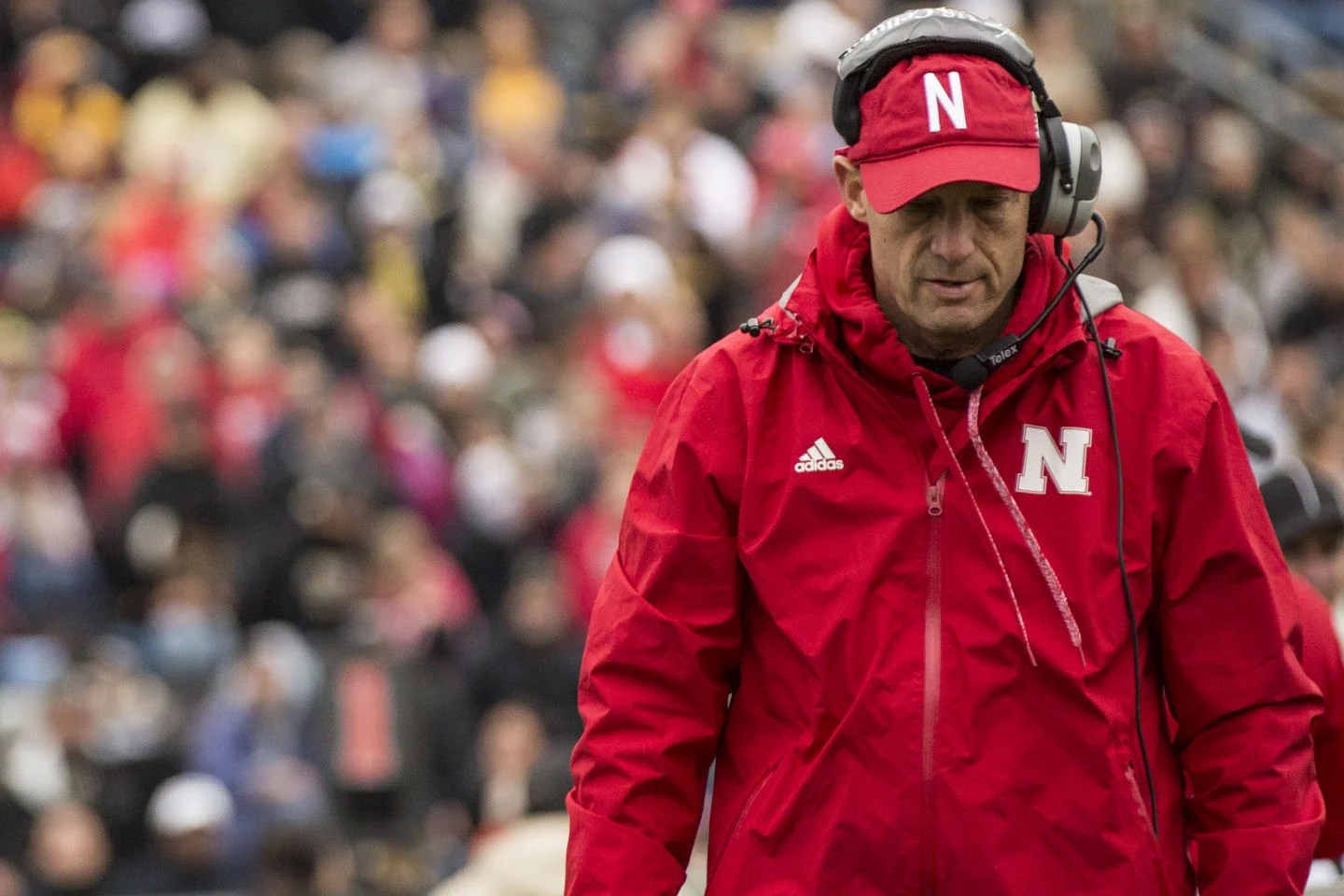
This isn’t about quitting or taking the easy way out when the going gets rough, it’s about getting smart and honestly owning who you are, what you’re ceiling is and making the best use of resources.
Nebraskans are pragmatic people in everything but Husker football. With this state government facing chronic budget shortfalls. corporate headquarters leaving and a brain drain of its best and brightest in full effect, it seems to me the university should check its priorities. I say let go of the past and embrace a new identity whose future is less sexy but far more realistic and more befitting this state. Sure, that move would mean risk and sacrifice, not to mention criticism and resistance. It would take leadership with real courage to weather all that.
But how about NU leading the way by taking a bold course that rejects the big money and fat exposure for a saner, stripped-down focus on football without the high stakes and salaries and hysteria? Maybe if NU does it, others will follow. Even if they don’t, it’s the right thing to do. Not popular or safe, but right.
When has that ever been a bad move?
Categories: Athletics, Bob Devaney, Husker Football, Husker Football Program, Huskers, Nebraska Football, Nebraska Football Program, society, Sports, Tom Osborne, University of Nebraska, University of Nebraska Football, Writing
Athletics, College Football, Husker Football, Huskers, Nebraska Football, Nebraska Football Program, society, Sports, University of Nebraska, University of Nebraska Football


 Leo Adam Biga's My Inside Stories