Leo Adam Biga's My Inside Stories

I write stories about people, their passions and their magnificent obsessions
  • Home
  • About Leo Adam Biga
  • Introducing Freelance Writing Academy Seminars with Instructor Leo Adam Biga: Book Biga Today
  • Seeking Sponsors and Collaborators
  • From the Archives…
  • Hire Me
  • Follow My Blog on Facebook, Networked Blogs, LinkedIn
  • Film Connections: How a 1968 convergence of future cinema greats in Ogallala, Neb. resulted in multiple films and enduring relationships
  • My Inside Stories, A Professional Writing Service by Omaha-Based Journalist, Author and Blogger Leo Adam Biga
  • Nebraska Screen Heritage Project
  • Going to Africa with The Champ
  • ‘Crossing Bridges: A Priest’s Uplifting Life Among the Downtrodden”
  • My Amazon Author’s Page
  • OUT TO WIN – THE ROOTS OF GREATNESS: OMAHA’S BLACK SPORTS LEGENDS
  • “Nebraska Methodist College at 125: Scaling New Heights”
  • Passion Project. Introducing the new – “Alexander Payne: His Journey in Film”

Archive

Posts Tagged ‘Human Rights’

Omaha Area Sanctuary Network: Caring cohort goes the distance for undocumented residents caught in the immigraton vice grip

April 4, 2019 leoadambiga Leave a comment

Part I
Going the distance
Omaha sanctuary network gives refuge to family separated at the border
©by Leo Adam Biga
Originally appeared in El Perico (el-perico.com)
Editor’s Note:
Welcome to Part I of a two-part story about the Omaha Area Sanctuary Network, which supports undocumented individuals embroiled in the immigration justice system. Part I focuses on a family separated at the border that’s found reunification and ongoing aid from the network. The parent’s names have been changed. The interview was conducted with the assistance of a translator.
In January 2018 Carlos and Sofia fled gang-ridden Acapulco, Mexico with their four young children. They risked everything in a run for the border. At the San Ysidro port of entry they sought asylum only to be forcibly separated and detained. They’ve since been reunited with support from the Omaha Area Sanctuary Network (OASN). The nonprofit aids undocumented individuals whose immigration status is in question.
Rampant violence in the family’s homeland created an environment of fear. The children witnessed shootings. Family friends went missing. The last straw was Carlos getting beaten and stabbed.
“Our family felt threatened,” said Sophia, adding that leaving seemed the only option. “Sometimes one doesn’t act for one’s self. We do it for the kids.”
Their odyssey’s ultimate destination was Omaha, where Sofia’s sister already lived, Even though the U.S. immigration crackdown was not yet in effect, this intact family seeking refuge from a credible threat still found themselves separated. Sofia and the kids did not get to say goodbye to Carlos before their release.
“I tried to get his attention to tell him we were leaving, but he didn’t understand. They wouldn’t let you speak with anyone. They wouldn’t let us get close to him.”
A desperate Carlos was transferred to detention centers in Arizona and Georgia. He pestered officials until the Southern Poverty Law Center took his case via its Southeast Immigrant Freedom Initiative (SIFI).
An attorney arranged for his parole to Omaha pending a local sponsor coming forward. Calls to local immigration organizations led to then-sanctuary network president Lawrence Jensen. Meanwhile, Carlos and his family anxiously awaited a resolution to a separation that lasted four months.
“To go from every day interacting with your family and in one moment they’re taken away, there are no words to describe it. One feels, I don’t know, incomplete,” Carlos said. “While incarcerated you feel that urge to see them, to hold them, but you’re not able to do anything. When I would talk with her (Sofia) on the phone, I would feel good but at the same time bad because it wasn’t the same thing, I would tell her that sometimes i wouldn’t even eat because I could not stop thinking about them.”
Image result for urban abbey
As bad as it was being separated at the border,”being so far away from them was much worse,” he said.

It was no easier on Sofia and the children.
“It’s was very difficult,” she said. “The kids would cry a lot for their dad and that makes you feel bad. Every day they would ask, ‘Is my dad going to be home yet?’ I would say, ‘I don’t when he’s going to be here, but he’ll be here.’ I would talk to him (Carlos) and he would cry. It would make me feel bad.”
Separation trauma made the oldest children ill.
As Spanish-speakers, the family faced hurdles trying to explain their plight to English speakers.
OASN, which does education and advocacy work around immigration, stepped up to help the family only months after making accompaniment its first priority. The group was frustrated in efforts to find a church offering physical sanctuary. Now, volunteers attend immigration court hearings, provide food and personal items in emergencies and make detention center visits.
“The focus on accompaniment seemed to revitalize the group. Participants find it rewarding,” Jensen said. “Thus, the ground was prepared when we connected with Carlos. Here was a need we could help. Sponsorship would be accompaniment at a deeper level. We agreed we would legally sponsor him but also fully support his wife and children.”
OASN secured resources and volunteers to satisfy federal sponsorship requirements of a supervised place to live, financial support for a year and ensuring Carlos attended all court hearings and Immigration Customs Enforcement (ICE) check-ins.
With $20,000 in pledges raised and commitments for more as needed, OASN got approved as sponsors in April. Due to red tape another month passed without his release. The one direct conversation Jensen had with Carlos was a brief phone call. Jensen only had time to share an OASN contact. More weeks passed, until, without advance notice, Carlos was released.
“The officer was like, ‘Hurry up, grab your stuff,’ because it was my time to go,” Carlos said. “I couldn’t believe it.”
He was taken to a Greyhound Bus station and left to fend for himself. Angela only found out about his release once he was on the road.
A sanctuary supporter got him much needed food and money at a stop en route. He didn’t know what to expect upon arriving in Omaha.
“Then I heard the kids screaming, ‘There’s my daddy.'”
The emotional reunion was a huge relief after months apart and uncertanity.
Jensen and Carlos finally met. “Despite the language difficulty, we were instant friends. He was good-humored, outgoing and amazingly composed considering the ordeal he had been through,” Jensen said.
The network went all out for the family.
“When Carlos got here they gave him a welcome party,” Sofia said. “We met a lot of people. They brought us bikes. Everything that we have here – furniture, food, clothes, they have given to us.”
Jensen became a frequent visitor to the apartment the family shares and OASN pays rent on.
“They’ve become good friends and an important part of my life,” Jensen said. “They are good, responsible people. The children are delightful.”
Though Jensen’s since moved outside Nebraska, he still stays in touch. Local sanctuary members make sure the family has what it needs.
“They have helped us a lot,” Sofia said. “We don’t know how to thank them.”
The family’s school-age children are thriving since their father’s return. Staff at Field Club Elementary, Sofia said, are sensitive to their emotional needs.
Through it all, not knowing has been the hardest part for this family that left everything they knew to find safety. The couple’s asylum cases are still pending.
“I have my hearing in July and Carlos has his hearing in April,” she said. “Our attorney (paid for by the network) is working on getting the cases joined. It’s been a journey. We don’t know what’s going to happen.”
Meanwhile, the network’s close to finally confirming a church to provide a dedicated physical sanctuary space. It’s also working to create an immigration crisis hotline.
What to look for in Part II:
Evolution of the Omaha Area Sanctuary Network
Read more of Leo Adam Biga’s work at leoadambiga.com.
______________________________________________
Part II
A caring cohort supports the undocumented through uncertain times 
©by Leo Adam Biga
Editor’s Note:
Welcome to Part II of a two-part story about the Omaha Area Sanctuary Network, which supports undocumented individuals embroiled in the immigration justice system. Part II focuses on how the network has evolved to respond to needs and crises that arise around individuals facing detention, separation, adjudication and deportation.
In 2017, some concerned area citizens formed the Omaha Area Sanctuary Network (OASN) in response to draconian immigration enforcement raids, detentions and deportations.
The U.S. government’s crackdown on the undocumented affects not only new arrivals but people long living and working in the country. With the specter of arrest and separation a more tangible fear for many, the local network offers refuge and support.
OASN is part of a loosely affiliated nationwide sanctuary movement. Many group members belong to progressive churches.
Sanctuary can mean different things in different situations. Thus far in Nebraska, said OASN president Yvonne Sosa, “it is just being there and bearing witness to what the immigrant is going through,” including  shows of support by attending court hearings and providing financial assistance.
“To me, personally, sanctuary means being part of a community that is safe and accepting of all people, regardless of where they are born, the color of their skin, their religion, sexual orientation, their personal beliefs. Sanctuary is the act of honoring the dignity of others,” said OASN vice-president Jeri Thurber. “Our organization is defining sanctuary as creating a safe community for all people, but we’re specifically focusing on immigration issues right now. In the immigration arena this can mean advocacy or resistance or bearing witness. It is an active way of protecting others from injustice and hate.
“Specifically, we provide accompaniment to hearings and to checkins if requested by people. We’ve had as few as three and as many as 20 members at a hearing.”
The women believe the group’s actions make an impact.
“When judges see that the defendant has community support there, it can lead to lowering or not issuing a high bond,” Thurber said. “The compassion we’re showing the judge in the courtroom is showing that we all see this detainee as a human being.
“I am very vocal about the fact I attend hearings in support of people in our community. I think it’s important  others know these hearings are happening and I think they should be there, too.”
Since early last year, OASNs aided a family that fled gang violence in Acapulco, Mexico and sought asylum in America. The family was detained and separated. The father, Carlos. ended up in a Georgia detention center. The mother, Sofia, and her children were released to join her sister in Omaha. The family was reunited on humanitarian grounds in May after OASN pledged to support Carlos, Sofia and the kids. Network members will be at the couple’s hearings later this year.
Thurber is sure OASN assurances of support convinced officials to release Carlos to rejoin his family. Otherwise, said Yvonne Sosa, Carlos’s confinement “could have been longer.” She added, “I feel like because of the organization’s efforts and commitment to provide housing and financial support we were able to get them reunited. But for those commitments, he may still have been in detention.”
The network found an apartment for the family and pays rent on it. OASN also provides food, clothes, incidentals and pays for the couple’s legal defense.
In the event other undocumented individuals need shelter to avoid deportation, the network wants a church to make a dedicated physical sanctuary space available.
“We have not been successful in that yet, but we’re still working on it.” said Thurber, adding that an area church has recently expressed interest in accommodating the need. “I truly think if someone needed physical sanctuary somebody would provide it. I think for a lot of congregations right now an immediate need would be more attractive than merely a plan.”
Sosa surmises the reason no local church has been willing to put itself on the line yet is due to the politics and threats opponents attach to sanctuary. In such a rancorous climate, she said, “there’s a hesitancy to commit” the resources and to run the risks. “But I want to believe, too, if there were an immediate need there would be sanctuary for that person.”
Network volunteers learn the ins and out of sanctuary in all its various forms through educational forums.
“We have had representatives from the Austin (Texas) Sanctuary Network and Grassroots Leadership flown here to provide training on Sanctuary in the Streets and ways to resist ICE (Immigration and Customs Enforcement) that are nonviolent as well as on accompaniment as a formal process,” said Thurber.
Image result for lawrence jensen omaha OASN
OASN’s local community partners include Latino Center of the Midlands, Immigrant Legal Center, United Women of Nebraska, Omaha Together One Community and several churches. The group holds workshops on sanctuary strategies and on immigrant rights.
Much of the network’s focus is on information and mobilization.
“We send out alerts via email whenever someone requests accompaniment at a court hearing or checkin,” Thurber said. “We have had training about how to be present and resist at raids. However, ICE has gotten more sneaky about how they pick people up or raid businesses and so t is very hard to get notice that these things will happen. For example, instead of going to someone’s home where they can call for assistance,  ICE will follow them and pick them up somewhere else, such as when they’re dropping a child off at school. “
“We feel like the immigration system is making it difficult even for us to advocate in a companioning way,” Sosa said. “On several occasions ICE has sent notices for hearings that ended up moved or changed or false. We’ve sent out requests for people to come and several have shown up only to find out it’s a fake date. There have even been instances where the individual detainee is there for a hearing that was never scheduled.
“They’re trying to discourage us. It’s just unfortunate. We try to verify dates before we send out the request.”
OASN is also working, Thurber said, “to get a hotline up and running where we could take phone calls from members of the community that need support.”
Thurber and Sosa hope to increase awareness of the network and to attract more supporters.
“There’s certainly enough work to go around,” Thurber said.
The surge in immigration rights events, she said, often finds OASN members onsite making the organization’s presence known.
Most of all, OASN wants the undocumented to know they are prepared to render support.
“We want people to know that if they reach out to us for help, we’re here,” Thurber said. “If we cannot provide help, we will do what we can to find somebody who can.”
Read more of Leo Adam Biga’s work at leoadambiga.com.


Share this: Leo Adam Biga's Blog

  • Click to email a link to a friend (Opens in new window) Email
  • Click to share on Facebook (Opens in new window) Facebook
  • Click to share on Pinterest (Opens in new window) Pinterest
  • Click to share on LinkedIn (Opens in new window) LinkedIn
  • Click to share on Reddit (Opens in new window) Reddit
  • Click to print (Opens in new window) Print
  • Click to share on X (Opens in new window) X
  • Click to share on Tumblr (Opens in new window) Tumblr
Like Loading...
Categories: Human Rights, Humanitarian, Immigration, Law, Omaha, Omaha Area Sanctuary Network, Politics, Refugees, Sanctuary, Social Justice, Writing Tags: Human Rights, Humanitarian, Immigrants, Immigration, Law, Omaha, Omaha Area Sanctuary Network, Sanctuary, Social Justice, Undocumented Residents

Diana Rogel: A life of service

December 24, 2018 leoadambiga Leave a comment

Diana Rogel: A life of service

©by Leo Adam Biga

Originally published in El Perico (el-perico.com)


Diana ‘Ariss’ Rogel Mendoza

Diana Rogel


In the calling she feels to serve others, Diana Rogel of Omaha often addresses community needs.

“I feel like that is my reason for being here,” she said.

Rogel’s done tobacco prevention education in minority communities through UNMC’s Center for Reducing Health Disparities, She’s trained facilitators to dialogue with Latinos on sexual identity issues for a National Human Rights Campaign project, As ßLead Navigator-Program Specialist with the Eastern Nebraska Community Action Partnership, she informed underserved groups about affordable healthcare options.

Now, as Student Advocate with the Latino Center of the Midlands, she’s working with Ralston Public Schools in the Pathways to Success Program.

“I am part of an organization and a program that wants to be that bridge for students to use to get to the next level,” she said of her LCM position. “I am a mentor to students at Ralston High School. For me the absolute most important thing is that youth feel like there are people that care about them and will advocate for them.”

Growing up, Rogel didn’t seriously consider college since she didn’t see other Latinas following that path. That changed when an adult in her life encouraged her to try. It’s what she now does for youths.

“I get to work with students that may not (otherwise) see people that look like me at school. I think representation is very important for students – to see that people like them can be successful. I don’t necessarily just serve Latino students. I serve all types of students who may feel disconnected. As an adult mentor looking out for them, I create that sense of belonging and as a woman of color, I say, ‘Look, I’m successful, you can be, too.'”

Making a difference motivates her.

“Leaving things better than how I found them really satisfies me. I know I did a good job when I’m able to connect people and those relationships build and people utilizd services because of some part that I played.”

Many community projects she initially spearheaded continue going strong today, including outreach efforts at OneWorld Community Health Centers and the Nebraska Urban Indian Health Coalition.

“It’s really comforting to have projects be taken up by  organizations. Then I can go onto my next thing knowing it’s in good hands.

“I’m always working on the next thing, the next project.”

The University of Nebraska at Omaha graduate recently enhanced her professional development as a New Leaders Council Leadership Institute fellow.

“The Institute looks for people in the community making an impact. We learned how to be better directors and supports of nonprofits and even to create more opportunities for others to lead, to follow and to mentor through entrepreneurship. We learned all these aspects that create progressive values and communities.

“We each took on a capstone project to implement in the community and see it through. My capstone is to create a youth conference that helps youth of color identify what their next steps are after high school, whether a four-year university or a two-year certification program or a vocational school. The conference will also get youth connected with resources in the community.”

She also wants to connect young Spanish-speakers to jobs-careers where dual language fluency is in demand.

Rogel’s working with LCM and partners to make the conference a reality in 2019.

“If I see a gap where things aren’t in place for youth to be successful, then I want to be a part of creating that for them. I take that to heart,” said the mother of two, “because if I pave the road for them, then when I’m old and gray they’re going to look out for me.”

A decade ago she noted Omaha lacked a young professionals network for Latinos, so she co-founded the Metro Young Latino Professionals Association.

“I took great pride in being able to form that group because we didn’t have anything like it and we had to create it from scratch. It has a huge membership today.”

This daughter of immigrant parents (her mother’s from Mexico and her father’s from El Salvador) grew up in Los Angeles. At 19 she moved to Omaha to be near her godmother and to pursue higher education.

“I really had a passion to learn more about my own culture and history. I helped reactivate the Latino student association on campus (UNO). My involvement got me noticed by the Office of Latino and Latin American Studies – OLLAS. I pretty much got recruited to be a part of that program.”

While a UNO student she worked as an OLLAS intern, went on a service learning trip to Peru and did field studies among Latinos in rural Nebraska communities.

“It made me realize the only way to help my community is to learn about it and to be a resource. That’s what I sought to do once I graduated – to build bridges and to get connected.”

Her role models include fellow Latinas Lourdes Gouveia, the former director of OLLAS, and community activist Marta Nieves.

Through Gouveia, Rogel said, “i’ve learned how to have tough conversations with people who feel disenfranchised and discriminated against.” Rogel said she’s inspired by the leadership Nieves shows and her ability “to bring people together.”

Rogel serves on the Nebraska Democratic Party’s Latinix Caucus board.

“Once I’m a little bit guided. I just take it and run.”

Looking ahead, she said, “I do see myself continuing to serve where I see gaps. I also see myself running a nonprofit that develops skills for youth, particularly in language.”

Read more of Leo Adam Biga’s work at leoadambiga.com.

Share this: Leo Adam Biga's Blog

  • Click to email a link to a friend (Opens in new window) Email
  • Click to share on Facebook (Opens in new window) Facebook
  • Click to share on Pinterest (Opens in new window) Pinterest
  • Click to share on LinkedIn (Opens in new window) LinkedIn
  • Click to share on Reddit (Opens in new window) Reddit
  • Click to print (Opens in new window) Print
  • Click to share on X (Opens in new window) X
  • Click to share on Tumblr (Opens in new window) Tumblr
Like Loading...
Categories: Community Service, Diana Rogel, Education, Human Relations, Human Rights, Human Services, Latina, Latino Center of the Midlands, Latino/Hispanic, Omaha, Writing Tags: Diana Rogel, Education, Human Relations, Human Rights, Human Services, Latina, Latino Center of the Midlands, Latino/Hispanic, Omaha

Life Itself XVI:  Social justice, civil rights, human services, human rights, community development stories

August 18, 2018 leoadambiga Leave a comment

Life Itself XVI: 

Social justice, civil rights, human services, human rights, community development stories


Unequal Justice: Juvenile detention numbers are down, but bias persists

https://leoadambiga.com/2018/03/09/unequal-justice-…ut-bias-persists

To vote or not to vote

https://leoadambiga.com/2018/06/01/to-vote-or-not-to-vote/

North Omaha rupture at center of PlayFest drama

https://leoadambiga.com/2018/04/30/north-omaha-rupt…f-playfest-drama/

Her mother’s daughter: Charlene Butts Ligon carries on civil rights legacy of her late mother Evelyn Thomas Butts

https://leoadambiga.com/2018/01/28/her-mothers-daug…lyn-thomas-butts/

Brenda Council: A public servant’s life

https://leoadambiga.com/2017/06/26/brenda-council-a…ic-servants-life

The Urban League movement lives strong in Omaha

https://leoadambiga.com/2017/11/17/the-urban-league…-strong-in-omaha/

Park Avenue Revitalization and Gentrification: InCommon Focuses on Urban Neighborhood

https://leoadambiga.com/2018/02/25/park-avenue-revi…ban-neighborhood/

Health and healing through culture and community

https://leoadambiga.com/2017/11/17/health-and-heali…re-and-community

Syed Mohiuddin: A pillar of the Tri-Faith Initiative in Omaha

https://leoadambiga.com/2017/09/01/syed-mohiuddin-a…tiative-in-omaha

Re-entry prepares current and former incarcerated individuals for work and life success on the outside

https://leoadambiga.com/2018/01/10/re-entry-prepare…s-on-the-outside/


Frank LaMere: A good man’s work is never done

https://leoadambiga.com/2017/07/11/frank-lamere-a-g…rk-is-never-done

Behind the Vision: Othello Meadows of 75 North Revitalization Corp.

https://leoadambiga.com/2017/06/27/behind-the-visio…italization-corp

North Omaha beckons investment, combats gentrification

https://leoadambiga.com/2017/05/25/north-omaha-beck…s-gentrification

SAFE HARBOR: Activists working to create Omaha Area Sanctuary Network as refuge for undocumented persons in danger of arrest-deportation

https://leoadambiga.com/2017/06/29/safe-harbor-acti…rest-deportation

Heartland Dreamers have their say in nation’s capitol

https://leoadambiga.com/2018/03/24/heartland-dreame…-nations-capitol/

Of Dreamers and doers, and one nation indivisible under…

https://leoadambiga.com/2017/02/21/of-dreamers-and-…ndivisible-under/


Refugees and asylees follow pathways to freedom, safety and new starts

https://leoadambiga.com/2017/02/21/refugees-and-asy…y-and-new-starts

Coming to America: Immigrant-Refugee mosaic unfolds in new ways and old ways in Omaha

https://leoadambiga.com/2011/07/10/coming-to-americ…ld-ways-in-omaha

History in the making: $65M Tri-Faith Initiative bridges religious, social, political gaps

https://leoadambiga.com/2017/05/25/history-in-the-m…l-political-gaps

A systems approach to addressing food insecurity in North Omaha

https://leoadambiga.com/2017/08/11/a-systems-approa…y-in-north-omaha

No More Empty Pots Intent on Ending North Omaha Food Desert

https://leoadambiga.com/2013/08/13/no-more-empty-po…t-in-north-omaha


Poverty in Omaha: 

Breaking the cycle and the high cost of being poor

https://leoadambiga.com/2017/01/03/poverty-in-omaha…st-of-being-poor/

Down and out but not done in Omaha: Documentary surveys the poverty landscape

https://leoadambiga.com/2015/11/03/down-and-out-but…overty-landscape

Struggles of single moms subject of film and discussion; Local women can relate to living paycheck to paycheck

https://leoadambiga.com/2014/10/24/the-struggles-of…heck-to-paycheck

Aisha’s Adventures: A story of inspiration and transformation; homelessness didn’t stop entrepreneurial missionary Aisha Okudi from pursuing her goals

https://leoadambiga.com/2014/07/10/aisha-okudis-sto…rsuing-her-goals

Omaha Community Foundation project assesses the Omaha landscape with the goal of affecting needed change

https://leoadambiga.com/2017/05/10/omaha-community-…ng-needed-change/

Nelson Mandela School Adds Another Building Block to North Omaha’s Future

https://leoadambiga.com/2016/01/24/nelson-mandela-s…th-omahas-future

Partnership 4 Kids – Building Bridges and Breaking Barriers

https://leoadambiga.com/2014/06/03/partnership-4-ki…reaking-barriers


NelsonMandelaSchool1


Changing One Life at a Time: Mentoring Takes Center Stage as Individuals and Organizations Make Mentoring Count

https://leoadambiga.com/2014/01/05/changing-one-lif…-mentoring-count/

Where Love Resides: Celebrating Ty and Terri Schenzel

https://leoadambiga.com/2016/02/02/where-love-resid…d-terri-schenzel/ ‎

North Omaha: Voices and Visions for Change

https://leoadambiga.com/2016/02/29/north-omaha-voic…sions-for-change

Black Lives Matter: Omaha activists view social movement as platform for advocating-making change

https://leoadambiga.com/2016/08/26/black-lives-matt…ng-making-change


Black Lives Matter showcase

SARAH HOFFMAN/THE WORLD-HERALD
Black Lives Matter
SARAH HOFFMAN/THE WORLD-HERALD


Change in North Omaha: It’s been a long time coming for northeast Omaha

https://leoadambiga.com/2015/08/01/change-in-north-…-northeast-omaha/

Girls Inc. makes big statement with addition to renamed North Omaha center

https://leoadambiga.com/2016/05/23/girls-inc-makes-…rth-omaha-center

NorthStar encourages inner city kids to fly high; Boys-only after-school and summer camp put members through their paces

https://leoadambiga.com/2015/06/17/northstar-encour…ough-their-paces/ 

Big Mama, Bigger Heart: Serving Up Soul Food and Second Chances

https://leoadambiga.com/2014/10/17/big-mama-bigger-…d-second-chances/‎


20140731-6C1A9276


When a building isn’t just a building: LaFern Williams South YMCA facelift reinvigorates community

https://leoadambiga.com/2012/08/03/when-a-building-…-just-a-building/ ‎

Identity gets new platform through RavelUnravel

https://leoadambiga.com/2015/03/20/identity-gets-a-…ugh-ravelunravel/ 

Where Hope Lives, Hope Center for Kids in North Omaha

https://leoadambiga.com/2011/06/04/where-hope-lives…s-in-north-omaha/ ‎


Ty Schenzel


Crime and punishment questions still surround 1970 killing that sent Omaha Two to life in prison

https://leoadambiga.com/2016/03/30/crime-and-punish…o-life-in-prison/

A WASP’s racial tightrope resulted in enduring book partially set in 1960s Omaha

https://leoadambiga.com/2015/10/28/a-wasps-racial-t…t-in-1960s-omaha/

Gabriela Martinez: 

A heart for humanity and justice for all

https://leoadambiga.com/2018/03/08/16878

Father Ken Vavrina’s new book “Crossing Bridges” charts his life serving others

https://leoadambiga.com/2015/10/29/father-ken-vavri…e-serving-others/

Wounded Knee still battleground for some per new book by journalist-author Stew Magnuson

https://leoadambiga.com/2013/04/20/wounded-knee-sti…or-stew-magnuson


Ed Poindexter and David Rice in 1970, North Omaha, Nebraska


‘Bless Me, Ultima’: Chicano identity at core of book, movie, movement

https://leoadambiga.com/2013/09/14/bless-me-ultima-…k-movie-movement

Finding Normal: Schalisha Walker’s journey finding normal after foster care sheds light on service needs

https://leoadambiga.com/2014/07/18/finding-normal-s…on-service-needs/

Dick Holland remembered for generous giving and warm friendship that improved organizations and lives

https://leoadambiga.com/2017/02/08/dick-holland-rem…ations-and-lives/

Justice champion Samuel Walker calls It as he sees it

https://leoadambiga.com/2014/05/30/justice-champion…it-as-he-sees-it

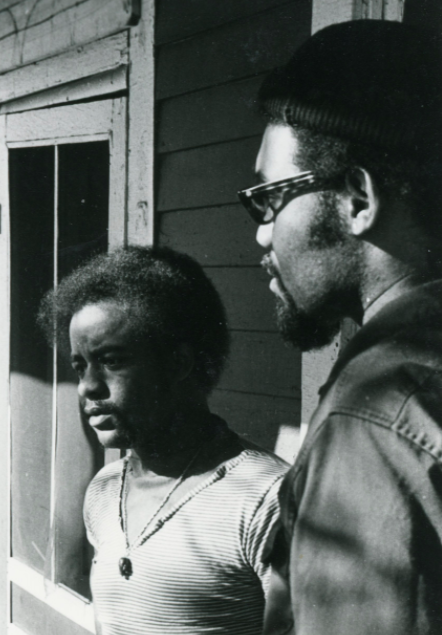
[© Ellen Lake]

Photo caption:

Walker on far left of porch of a Freedom Summer


El Puente: Attempting to bridge divide between grassroots community and the system

https://leoadambiga.com/2012/07/22/el-puente-attemp…y-and-the-system

All Abide: Abide applies holistic approach to building community; Josh Dotzler now heads nonprofit started by his parents

https://leoadambiga.com/2014/12/05/all-abide-abide-…d-by-his-parents/

Making Community: Apostle Vanessa Ward Raises Up Her North Omaha Neighborhood and Builds Community

https://leoadambiga.com/2013/08/13/making-community…builds-community/ ‎


Better Together


Collaboration and diversity matter to Inclusive Communities: Nonprofit teaches tools and skills for valuing human differences

https://leoadambiga.com/2014/05/09/collaboration-an…uman-differences

Talking it out: Inclusive Communities makes hard conversations the featured menu item at Omaha Table Talk

https://leoadambiga.com/2016/05/02/talking-it-out-i…omaha-table-talk/

Everyone’s welcome at Table Talk, where food for thought and sustainable race relations happen over breaking bread together

https://leoadambiga.com/2011/09/16/everyones-welcom…g-bread-together/

Feeding the world, nourishing our neighbors, far and near: Howard G. Buffett Foundation and Omaha nonprofits take on hunger and food insecurity

https://leoadambiga.com/2014/11/22/feeding-the-worl…-food-insecurity

Miles Main Event2


Rabbi Azriel: Legacy as social progressive and interfaith champion secure

https://leoadambiga.com/2014/05/15/rabbi-azriel-leg…-champion-secure

Rabbi Azriel’s neighborhood welcomes all, unlike what he saw on recent Middle East trip; Social justice activist and interfaith advocate optimistic about Tri-Faith campus

https://leoadambiga.com/2014/09/06/rabbi-azriels-ne…tri-faith-campus/

azriel web

Ferial Pearson, award-winning educator dedicated to inclusion and social justice, helps students publish the stories of their lives

https://leoadambiga.com/2011/08/25/ferial-pearson-a…s-of-their-lives/ ‎

Upon This Rock: Husband and Wife Pastors John and Liz Backus Forge Dynamic Ministry Team at Trinity Lutheran

https://leoadambiga.com/2014/02/02/upon-this-rock-h…trinity-lutheran/

Gravitas – Gravity Center for Contemplative Activism founders Christopher and Phileena Heuertz create place of healing for healers

https://leoadambiga.com/2014/04/01/gravitas-gravity…ling-for-healers/

Art imitates life for “Having Our Say” stars, sisters Camille Metoyer Moten and Lanette Metoyer Moore, and their brother Ray Metoyer

https://leoadambiga.com/2014/02/05/art-imitates-lif…ther-ray-metoyer

Color-blind love:

Five interracial couples share their stories

https://leoadambiga.com/2014/02/06/color-blind-love…re-their-stories

A Decent House for Everyone: Jesuit Brother Mike Wilmot builds affordable homes for the working poor through Gesu Housing

https://leoadambiga.com/2011/09/09/a-decent-house-f…ugh-gesu-housing

Bro. Mike Wilmot and Gesu Housing: Building Neighborhoods and Community, One House at a Time

https://leoadambiga.com/2013/04/27/bro-mike-wilmot-…-house-at-a-time/ ‎


Omaha native Steve Marantz looks back at city’s ’68 racial divide through prism of hoops in new book, “The Rhythm Boys of Omaha Central”

https://leoadambiga.com/2011/04/01/omaha-native-ste…of-omaha-central/ ‎


Anti-Drug War manifesto documentary frames discussion: 

Cost of criminalizing nonviolent offenders comes home

https://leoadambiga.com/2013/02/01/an-anti-drug-war…nders-comes-home

Documentary shines light on civil rights powerbroker Whitney Young: Producer Bonnie Boswell to discuss film and Young

https://leoadambiga.com/2013/03/21/documentary-shin…e-film-and-young

Civil rights veteran Tommie Wilson still fighting the good fight

https://leoadambiga.com/2015/05/07/civil-rights-vet…g-the-good-fight

Rev. Everett Reynolds Gave Voice to the Voiceless

https://leoadambiga.com/2011/07/18/rev-everett-reyn…to-the-voiceless/

Lela Knox Shanks: Woman of conscience, advocate for change, civil rights and social justice champion

https://leoadambiga.com/2010/08/04/lela-knox-shanks…ocate-for-change

Omahans recall historic 1963 march on Washington

https://leoadambiga.com/2013/08/12/omahans-recall-h…ch-on-washington

Lela Shanks


Psychiatrist-Public Health Educator Mindy Thompson Fullilove Maps the Root Causes of America’s Inner City Decline and Paths to Restoration

https://leoadambiga.com/2012/07/04/psychiatrist-pub…s-to-restoration/ ‎

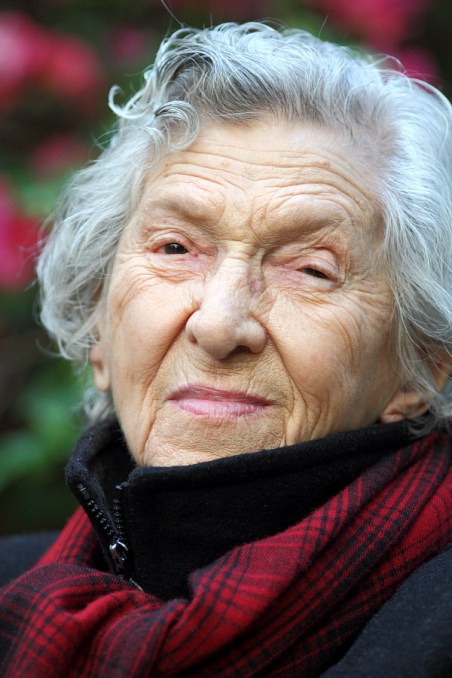
A force of nature named Evie:

Still a maverick social justice advocate at 100

https://leoadambiga.com/2010/06/16/a-force-of-natur…e-advocate-at-99


Home is where the heart Is for activist attorney Rita Melgares

https://leoadambiga.com/2012/07/20/home-is-where-th…ey-rita-melgares/

Free Radical Ernie Chambers subject of new biography by author Tekla Agbala Ali Johnson

https://leoadambiga.com/2012/12/05/free-radical-ern…bala-ali-johnson


Carolina Quezada leading rebound of Latino Center of the Midlands

https://leoadambiga.com/2012/05/03/carolina-quezada…-of-the-midlands/

Returning To Society: New community collaboration, research and federal funding fight to hold the costs of criminal recidivism down

https://leoadambiga.com/2011/07/02/returning-to-soc…-recidivism-down

Getting Straight: Compassion in Action expands work serving men, women and children touched by the judicial and penal system

https://leoadambiga.com/2013/05/22/getting-straight…and-penal-system


OneWorld Community Health: Caring, affordable services for a multicultural world in need

https://leoadambiga.com/2012/04/09/oneworld-communi…al-world-in-need

Dick Holland responds to far-reaching needs in Omaha

https://leoadambiga.com/2011/06/04/dick-holland-res…g-needs-in-omaha/

Gender equity in sports has come a long way, baby; Title IX activists-advocates who fought for change see much progress and the need for more

https://leoadambiga.com/2012/06/11/gender-equity-in…he-need-for-more/

Giving kids a fighting chance: Carl Washington and his CW Boxing Club and Youth Resource Center

https://leoadambiga.com/2013/12/03/giving-kids-a-fi…-resource-center/ 


Beto’s way: Gang intervention specialist tries a little tenderness

http://leoadambiga.com/2015/10/28/betos-way-gang-i…ittle-tenderness/

Saving one kid at a time is Beto’s life work

https://leoadambiga.com/2013/01/24/saving-one-kid-a…-betos-life-work

Community trumps gang in Fr. Greg Boyle’s Homeboy model

https://leoadambiga.com/2012/07/21/community-trumps…es-homeboy-model/

Born again ex-gangbanger and pugilist, now minister, Servando Perales makes Victory Boxing Club his mission church for saving youth from the streets

https://leoadambiga.com/2011/12/19/born-again-ex-ga…from-the-streets/ ‎

Turning kids away from gangs and toward teams in South Omaha

https://leoadambiga.com/2012/07/17/turning-kids-awa…s-in-south-omaha/ 

“Paco” proves you can come home again

https://leoadambiga.com/2012/04/09/paco-proves-you-…-come-home-again


Beto reaching out to kids, ©d2center.org


Two graduating seniors fired by dreams and memories, also saddened by closing of  school, St. Peter Claver Cristo Rey High

https://leoadambiga.com/2011/05/11/two-graduating-s…igh-in-omaha-neb/

St. Peter Claver Cristo Rey High: A school where dreams matriculate

https://leoadambiga.com/2010/08/29/st-peter-claver-…eams-matriculate/

Open Invitation: Rev. Tom Fangman engages all who seek or need at Sacred Heart Catholic Church

https://leoadambiga.com/2011/01/09/an-open-invitati…-catholic-church/

Outward Bound Omaha uses experiential education to challenge and inspire youth

https://leoadambiga.com/2012/04/26/outward-bound-om…nd-inspire-youth

After steep decline, the Wesley House rises under Paul Bryant to become youth academy of excellence in the inner city

https://leoadambiga.com/2011/08/27/after-a-steep-de…n-the-inner-city


Freedom riders: A get on the bus inauguration diary

https://leoadambiga.com/2010/10/21/get-on-the-bus-a…-ride-to-freedom/ ‎

The Great Migration comes home: Deep South exiles living in Omaha participated in the movement author Isabel Wilkerson writes about in her book, “The Warmth of Other Suns”

https://leoadambiga.com/2012/03/31/the-great-migrat…th-of-other-suns/

When New Horizons dawned for African-Americans seeking homes in Omaha

https://leoadambiga.com/2013/01/17/when-new-horizon…ericans-in-omaha/

Good Shepherds of North Omaha: Ministers and churches making a difference in area of great need

https://leoadambiga.com/2011/07/04/the-shepherds-of…ea-of-great-need

Academy Award-nominated documentary “A Time for Burning” captured church and community struggle with racism

https://leoadambiga.com/2010/12/15/a-time-for-burni…ggle-with-racism/ ‎


Cover of


Letting 1,000 Flowers Bloom: The Black Scholar’s Robert Chrisman Looks Back at a Life in the Maelstrom

https://leoadambiga.com/2011/03/08/letting-1000-flo…in-the-maelstrom

Coloring History:

A long, hard road for UNO Black Studies

https://leoadambiga.com/2010/08/25/coloring-history…no-black-studies

Two Part Series: After Decades of Walking Behind to Freedom, Omaha’s African-American Community Tries Picking Up the Pace Through Self-Empowered Networking

https://leoadambiga.com/2016/02/13/two-part-series-…wered-networking

Power Players, Ben Gray and Other Omaha African-American Leaders Try Improvement Through Self-Empowered Networking

https://leoadambiga.com/2010/07/09/power-players-be…wered-networking/

Native Omahans Take Stock of the African-American Experience in Their Hometown

https://leoadambiga.com/2011/07/04/native-omahans-t…n-their-hometown

Overarching plan for North Omaha development now in place: Disinvested community hopeful long promised change follows

https://leoadambiga.com/2011/07/29/overarching-plan…d-change-follows/

Standing on Faith, Sadie Bankston Continues One-Woman Vigil for Homicide Victim Families

https://leoadambiga.com/2010/08/29/standing-on-fait…-victim-families/

Forget Me Not Memorial Wall


North Omaha champion Frank Brown fights the good fight

https://leoadambiga.com/2012/01/15/north-omaha-cham…s-the-good-fight/

Man on fire: Activist Ben Gray’s flame burns bright

https://leoadambiga.com/2010/09/02/ben-gray-man-on-fire/

Strong, Smart and Bold, A Girls Inc. Success Story

https://leoadambiga.com/2010/08/29/strong-smart-and…-girls-inc-story

What happens to a dream deferred?

John Beasley Theater revisits Lorraine Hansberry’s “A Raisin in the Sun”

https://leoadambiga.com/2011/06/14/what-happens-to-…aisin-in-the-sun

Brown v. Board of Education: 

Educate with an Even Hand and Carry a Big Stick

https://leoadambiga.com/2012/07/07/brown-v-board-of…arry-a-big-stick/


photo

North 24th Street, photo by lachance (Andrew Lachance)

Fast times at Omaha’s Liberty Elementary: Evolution of a school

https://leoadambiga.com/2012/07/05/fast-times-at-om…tion-of-a-school/

New school ringing in Liberty for students

https://leoadambiga.com/2010/06/06/new-school-ringi…rty-for-students

Nancy Oberst: Pied Piper of Liberty Elementary School

https://leoadambiga.com/2011/09/06/nancy-oberst-the…lementary-school/

Tender Mercies Minister to Omaha’s Poverty Stricken

https://leoadambiga.com/2010/05/31/tender-mercies-m…poverty-stricken/

Community and coffee at Omaha’s Perk Avenue Cafe

https://leoadambiga.com/2011/06/04/community-and-co…perk-avenue-cafe/ 

Whatsoever You Do to the Least of My Brothers, that You Do Unto Me: Mike Saklar and the Siena/Francis House Provide Tender Mercies to the Homeless

https://leoadambiga.com/2010/08/01/whatsoever-you-d…t-you-do-unto-me/

Gimme Shelter: Sacred Heart Catholic Church Offers a Haven for Searchers

https://leoadambiga.com/2010/05/31/gimme-shelter-sa…en-for-searchers

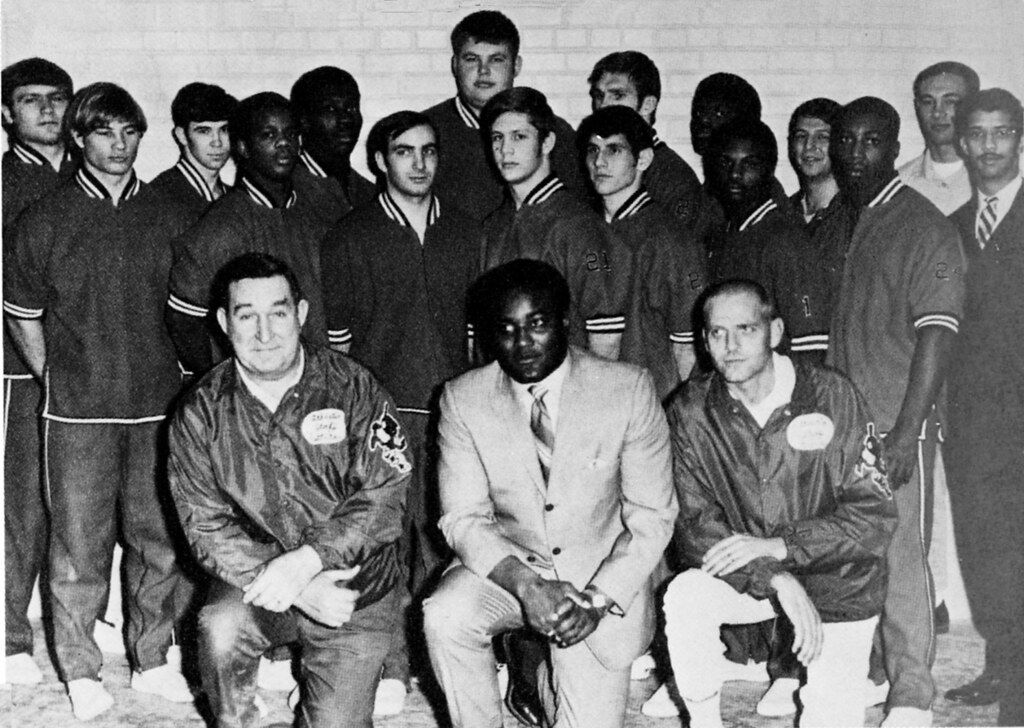
UNO wrestling dynasty built on tide of social change

https://leoadambiga.com/2011/03/17/uno-wrestling-dy…-social-change-2


Image result for don benning omaha uno

A brief history of Omaha’s civil rights struggle distilled in black and white by photographer Rudy Smith

https://leoadambiga.com/2012/05/02/a-brief-history-…apher-rudy-smith/

Hidden In plain view: Rudy Smith’s camera and memory fix on critical time in struggle for equality

https://leoadambiga.com/2010/08/29/hidden-in-plain-…gle-for-equality/

Small but mighty group proves harmony can be forged amidst differences

https://leoadambiga.com/2016/11/14/small-but-mighty…idst-differences/

Winners Circle: Couple’s journey of self-discovery ends up helping thousands of at-risk kids through early intervention educational program

https://leoadambiga.com/2010/05/31/couples-journey-…-of-at-risk-kids

A Mentoring We Will Go

https://leoadambiga.com/2010/06/18/a-mentoring-we-will-go

Abe Sass: A mensch for all seasons

https://leoadambiga.com/2012/05/02/abe-sass-a-mensch-for-all-seasons

Shirley Goldstein: Cream of the Crop – one woman’s remarkable journey in the Free Soviet Jewry movement

https://leoadambiga.com/2011/09/05/shirley-goldstei…t-jewry-movement/

Flanagan-Monsky example of social justice and interfaith harmony still shows the way seven decades later

https://leoadambiga.com/2010/05/31/flanagan-monsky-…y-60-years-later/

A Contrary Path to Social Justice: The De Porres Club and the fight for equality in Omaha

https://leoadambiga.com/2010/05/01/a-contrary-path-…quality-in-omaha/

Hey, you, get off of my cloud! Doug Paterson is acolyte of Theatre of the Oppressed founder Augusto Boal and advocate of art as social action

https://leoadambiga.com/2011/06/03/hey-you-get-off-…as-social-action/

Doing time on death row: Creighton University theater gives life to “Dead Man Walking”

https://leoadambiga.com/2012/01/10/doing-time-on-de…dead-man-walking/

“Walking Behind to Freedom” – A musical theater examination of race

https://leoadambiga.com/2011/06/21/walking-behind-t…mination-of-race/

Bertha’s Battle: Bertha Calloway, the Grand Lady of Lake Street, struggles to keep the Great Plains Black History Museum afloat

https://leoadambiga.com/2010/05/11/berthas-battle

Leonard Thiessen social justice triptych deserves wider audience

https://leoadambiga.com/2017/01/21/leonard-thiessen…s-wider-audience/

Share this: Leo Adam Biga's Blog

  • Click to email a link to a friend (Opens in new window) Email
  • Click to share on Facebook (Opens in new window) Facebook
  • Click to share on Pinterest (Opens in new window) Pinterest
  • Click to share on LinkedIn (Opens in new window) LinkedIn
  • Click to share on Reddit (Opens in new window) Reddit
  • Click to print (Opens in new window) Print
  • Click to share on X (Opens in new window) X
  • Click to share on Tumblr (Opens in new window) Tumblr
Like Loading...
Categories: Civil Rights, Commercial Development, Community Redevelopment, Community Service, Community/Neighborhoods, Human Rights, Human Services, Omaha, Social Activism, Social Justice, Social Work, Writing Tags: Civil Rights, Community Development, Community Redevelopment, Community Service, Community/Neighborhood, Human Rights, Human Services, Omaha, Social Activism, Social Justice, Social Services, Social Work

Sculptor Benjamin Victor gives shape to Ponca Chief Standing Bear’s enduring voice

May 1, 2018 leoadambiga 1 comment

Sculptor Benjamin Victor gives shape to Ponca Chief Standing Bear’s enduring voice


©Story by Leo Adam Biga

©Photography by Sarah Lemke

Appearing in the May’June 2018 issue of Omaha Magazine (http://omahamagazine.com)


In creating the larger-than-life likeness of Chief Standing Bear for the Nebraska state capitol’s Centennial Mall, sculptor Benjamin Victor felt communion with the late Native American icon. Victor was “captivated” by the principled ways of the Ponca leader, whose eloquent advocacy for his people led to a historic federal court ruling at Fort Omaha that declared the nation’s indigenous peoples to be legally “human” for the first time on May 12, 1879.

“He was a true servant-leader,” Victor says of his subject. “The things he wanted were very basic, inalienable human rights everyone should be afforded. He carried himself with dignity even through demeaning treatment. He had a higher moral code of ethics during a time when the laws were not moral. He had the courage to stand up for right through many injustices.”

Based in Idaho, the Boise State University professor and resident artist felt connected to Standing Bear through every stage of his artistic process—from preparatory research into the famous Nebraskan, through molding his clay form, to casting the Ponca leader in bronze.

“His story and spirit definitely were speaking to me,” Victor says. “As an artist, you try to get that voice through your artwork to speak to viewers who see it. I felt humbled to be working on it. In the sculpture itself, I tried to keep the spirit of Standing Bear alive as much as I tried for an accurate portrait. An accurate portrait is important, but to me a spiritual portrait is just as important. I hope it really inspires other people to study his life. If my work does that, then it’s a success.”

The Nebraska Commission on Indian Affairs and Donald Miller Campbell Family Foundation commissioned the 11-foot-tall sculpture, unveiled Oct. 15, 2017. Then, over the winter, a pair of Nebraska state senators (including Sen. Burke Harr of Omaha) introduced a bill to replace the state’s two sculptures—of J. Sterling Morton and William Jennings Bryan—in the U.S. Capitol’s National Statuary Hall with those of Willa Cather and Standing Bear. A donor, Donald Miller Campbell, pledged funds for a copy to be made of Victor’s Standing Bear work.

“To have him as a towering icon in the U.S. Capitol would be important. His story should be on the national scale. He should be known in every school,” Victor says.

The artist already has two works in the Hall. One is of Northern Paiute activist Sarah Winnemucca on behalf of the state of Nevada. Anything Native holds profound meaning for Victor, as his late step-grandfather was a member of the Juaneño—a coastal California tribe engulfed by Spanish missions.
“It’s always a big deal to me whenever I do a Native American piece that it’s done right and with purpose. I always think of my grandpa when I do them. He liked the images I created of Native Americans with a strong stance and with dignity. That really meant a lot to him. If he’s looking down, he’s really proud of this one.”

Victor’s second sculpture in the U.S. Capitol represents Iowa—Norman Borlaug, the father of modern agriculture’s “Green Revolution.”

Working from photos, Victor “modified” Standing Bear’s pose “to capture a hint of motion,” as if the chief were moving forward slightly. In an attempt to “capture every detail,” he created folds and the look of heaviness in the blanket draped about his subject. Ornamental details included intricate beadwork, a bear claw necklace, and peace medals. Victor symbolized the chief’s dual roles as warrior and ambassador by having him holding an ax-peace pipe.

The bronze is positioned in front of a wall carved with the eloquent words of Standing Bear on trial (as translated by Omaha Native Susette “Bright Eyes” LaFlesche): “That hand is not the color of yours, but if I pierce it, I shall feel pain. If you pierce your hand, you also feel pain. The blood that will flow from mine will be the same color as yours. I am a man. The same God made us both.”

The project selection committee for the state capitol’s Centennial Mall learned about Victor from George Neubert (director of the Flatwater Folk Art Museum in Brownville, Nebraska), who befriended the artist when he did a commission for Peru State College, where his bronze of a hulking football player adorns the Oak Bowl.

Although Victor originally hails from California, he developed deep roots in the Great Plains while attending Northern State University in Aberdeen, South Dakota, where he discovered his love of sculpture.

“When I picked up clay the first time in college, the medium just clicked for me,” he says. “I felt like the concepts I was trying to get across were very readily expressed in sculpture. I really like the physicality of sculpture, how you move the clay with your hands and manipulate it. I like everything about it. I also work in marble—so I do the subtractive process of carving, the additive process of clay work, and the replacement process of bronze.”

He was still in school when he landed his first big commission—for the Aberdeen airport.

“I had a family to support,” he says. “I worked at the YMCA part-time, took odd jobs, and went to school full time. I was on food stamps and rental assistance. We had nothing. To get the commission was really amazing because you can struggle your whole life as an artist and never get a commission like that.”

Soon thereafter came the Winnemucca project. Demand for his work has never ceased.

“I never thought I’d get the opportunity to make it on my own in my dream field and career,” he says. “It’s a true American success story. I still don’t take it for granted. Every day I get to do this, I feel very blessed. And then to do something inspiring like Standing Bear. What a dream commission to commemorate him and everything he stood for.”

Upon graduating, Victor was a Northern State teacher and resident artist before Boise State courted him.

“They gave me a beautiful studio space and gallery. It’s been a great home,” he says, adding that he maintains close ties with his former colleagues in South Dakota. “I’ve got so many friends there that are just like family.”

Back at his Boise studio, his studio life intersects with students, patrons, and his three children. Meanwhile, he continues to always keep his ears open to the spirits of his subjects.

Visit benjaminvictor.com for more information.

This article was printed in the May/June 2018 edition of Omaha Magazine.


Share this: Leo Adam Biga's Blog

  • Click to email a link to a friend (Opens in new window) Email
  • Click to share on Facebook (Opens in new window) Facebook
  • Click to share on Pinterest (Opens in new window) Pinterest
  • Click to share on LinkedIn (Opens in new window) LinkedIn
  • Click to share on Reddit (Opens in new window) Reddit
  • Click to print (Opens in new window) Print
  • Click to share on X (Opens in new window) X
  • Click to share on Tumblr (Opens in new window) Tumblr
Like Loading...
Categories: Art, Benjamin Victor, Chief Standing Bear, History, Human Rights, Law, Native American, Nebraska, Public Art, Sculpture, Writing Tags: Art, Artist, Benjamin Victor, Chief Standing Bear, History, Human Rights, Law, Lincoln (Nebraska), Native American, Nebraska, Sculptor, Sculpture

Shirley Goldstein: Cream of the Crop – one woman’s remarkable journey in the Free Soviet Jewry movement

September 5, 2011 leoadambiga Leave a comment

In this extended, two-part Jewish Press story, I tell the remarkable journey of Omahan Shirley Goldstein in the Free Soviet Jewry movement and how this historic campaign changed her life and is remembered today. In Part One: The Education of Shirley Goldstein, the story of how this “typical” housewife became politicized and educated in the movement is explored. In, Part II: Activist, Humanitarian, Philanthropist, discover the lengths Goldstein went to in her human rights activist work and the generosity displayed, then and now, by her and her husband, Leonard “Buddy” Goldstein.


Shirley Goldstein: Cream of the Crop – One woman’s remarkable journey in the Free Soviet Jewry movement

Part I: The Education of Shirley Goldstein

©by Leo Adam Biga


Housewives and Students and…

They were housewives and students and teachers…They called America and many other Western nations home. Galvanized by the plight of Soviet Jews, this army of everyday citizens, together with activists inside the former Soviet Union, formed a grassroots human rights movement that began modestly enough but grew in force. Activists within the movement wanted nothing less than to make the USSR stop its systematic persecution of oppressed minorities. What made the task so daunting is that the target of this action was an authoritarian super power engaged in an ideological Cold War with the West. Nothing suggested this intractable juggernaut would ever bend.

But bend it did. Some say the freedom movement even contributed to the Soviet state’s eventual collapse. It’s one of the great triumphs over tyranny in human history. And Omaha’s own Shirley Goldstein played a part in this epoch. But she could only do it after she transformed herself from causalobserver to in-the-trenches activist. In a remarkable journey, she went from zero political involvement to fervent militant. Once caught up in themovement, she devoted much of her time to it, as she has to other causes since then. The experience changed her life.

“It opened up a whole new world,” Goldstein said.

Her diverse work on behalf of Soviet Jews found her, variously: meeting refuseniks and dissidents in Russian apartments or hotel suites; lobbying U.S. government leaders back home to voice criticism of Soviet human rights violations; discussing conditions and strategies with world statesmen and fellow activists at conferences in Washington, D.C. and overseas; and picketing on the streets, almost anywhere, the latest Soviet transgressions.

She saw and did so many things in the course of her involvement that her story provides a useful insider’s look at how the movement evolved and operated.

Like many who got involved in the fight, she found in it a higher purpose. As she put it recently, “What does one do with their life?” Serving others became a calling. “And I’ve loved every minute of it,” she said.

Her politicalization and activism mirrored that of others who came to the cause.

“Shirley was typical of the middle class women who normally would not take any part in politics as such. They were really concerned to do something to help the Soviet Jews. They felt it very deeply. I have a great deal of admiration for Shirley Goldstein. She was a leading light for giving morale and financial assistance to refuseniks and for helping them get out, and she did a great deal for those who managed to get out to resettle in Nebraska,” said Michael Sherbourne, a London-based activist who fed Goldstein information from his contacts in the Soviet Union.


No Place to Be a Jew

Life behind the Iron Curtain was harsh for the mainstream populace, but even more intolerable for racial, ethnic and religious minorities. Long the target of anti-Semitic pogroms and policies, Soviet Jews were routinely denied such basic rights as the practice of their faith, employment in certain jobs, free travel within the country and emigration outside the USSR. An internal passport all Soviets carried was used to target Jews, whose documents, and whose documents alone, denoted their religion. Jews and sympathizers protesting such discriminatory practices could be arrested, interrogated, harassed or imprisoned.

By the mid-1960s the pleas of a few Jewish dissidents were heard — enough to coalesce the Free Soviet Jewry Movement. But much of the world remained unaware of or apathetic to just how bad things were and just how many Jews wanted out. Compared to the trickle allowed to leave each year, millions more wished to go but were refused. Once a visa was denied, the applicant was branded and blacklisted. Refuseniks automatically lost their jobs and what few privileges they enjoyed. Even more than before, they became outcasts in their own society.

From the mid-’60s through the early ‘90s, the movement — both within the Soviet Union and outside it — forged ahead despite political setbacks. Free Soviet Jewry committees organized. Under Goldstein’s leadership, Omaha had a particularly active one. Agitators like her from the West, both Jews and non-Jews, made pilgrimages to the Soviet Union to meet with refuseniks and dissidents and activists. She and other Western visitors smuggled in banned materials, such as Judaica, along with items like Levi jeans and Marlboro cigarettes, which brought much on the black market. They also made audio recordings of individuals, whose messages — testifying to the tough conditions and rallying support for freedom — were snuck out and then disseminated to Western media outlets.

Defying initial opposition from the Jewish establishment and the Israeli government and flying in the face of official U.S.-Soviet diplomatic channels, the campaign eventually gained widespread support. The pressure applied by the campaign and by detente succeeded in doing exactly what it set out to. Faced with sanctions and growing world condemnations, the stubborn Soviets finally ended reprisals and eased restrictions. The sweeping changes ushered in by Mikhail Gorbachev under Glasnost and the eventual dissolvement of the Soviet state, opened the borders for a flood of people to legally emigrate. In the end, 1.5 million Jews left, most for the U.S. and Israel. Some 200 families resettled in Omaha.


Becoming an Activist

Shirley Goldstein (formerly Gershun) seemed an unlikely candidate to make history. The Council Bluffs, Iowa native did part of her growing up in Schuyler, Neb., where her family moved, before returning to the Bluffs to complete her schooling. Upon graduation from Abraham Lincoln High School she did what any good Jewish girl did then — she worked (at the Martin bomber plant),  got married, bore kids (four) and stayed home raising them. Her husband, Leonard “Buddy” Goldstein, had his own transportation business.

An “ordinary” housewife, mother and grandmother, she only became politicized in middle-age. It was the early ‘70s when the Free Soviet Jewry movement overtook her and she morphed into an impassioned advocate. There was a precedent in her past. Her merchant father, Ben Gershun, led the Council Bluffs resettlement of Jewish refugees from post-World War II Europe. She recalls refugees at his general store and at her parents’ home. Much like she’s embraced diversity in her own home, her family’s home was “always open to everybody.”

She feels she may also have been prepared for her activist role by the many years she and Buddy hosted international students and dignitaries, many from Asia, at their place. The couple even sponsored a Cambodian refugee family. She said, “I’ve always been interested in other peoples and cultures.”

Not content with merely educating herself on the subject, she went to the USSR seven times, meeting with leaders and rank and file Jews alike. She took chances, brazenly ignoring U.S. State Department warnings and Soviet orders to steer clear of “troublemakers.” Indeed, she became a familiar figure to refuseniks in Moscow, Leningrad, Kiev, Odessa and other cities. A benevolent angel from the West bearing contraband gifts. A tiny rebel with the brass of a cat burglar. She recorded testimonies and snapped pictures, concealing cassette tapes and film cartridges under her clothes. She sneaked things in and out with a kind of mischievous glee. A true believer unafraid to upset the Politburo or defy the KGB, who knew of her and tried discouraging her, she carried on anyway. She was on a mission.

“The world had to know what was happening. It was a priority. I would have rather done this than anything else,” she said.

As her involvement deepened, she made more contacts and increased the scope of her activities. She organized Omaha’s Free Soviet Jewry Committee and served on the board of the national Union of Councils for Soviet Jews. She led demonstrations (including ones outside the Orpheum Theatre and Joslyn Art Museum, using the appearances of Russian performing artists as the pretext or stage to protest Soviet policies), she walked in marches and she participated in vigils. She called on members of Congress. She attended meetings in Washington, D.C. and in Madrid, Spain (for the Helsinki Accords). She raised awareness and funds.

When not educating elected leaders herself, she recruited new blood, such as the late Ally Milder, to do so. In her role as an aide to U.S. Sen. Charles Grassley (D-Iowa), Milder brought him on board with the movement. Goldstein also spearheaded letter writing campaigns that sent morale-boosting notes to refuseniks and that made appeals for support to public officials. She organized relief drives that collected goods and shipped them to families in the USSR.

“In the big picture of the Soviet Jewry movement, Shirley was a really great foot soldier and the leaders knew that,” said former Omahan Stephanie Howard (Seldin), co-producer of Let My People Go, a new documentary on the movement. “Shirley’s is a great story because she rallied a whole Jewish community and they did great things, and they’re recognized for it. You talk to people in New York or San Francisco or Chicago who were in the movement and everybody knows Shirley.”

Goldstein never strayed from the fight. When Soviet Jews began coming, she picked up the mantle again and immersed herself in all facets of the resettlement program.

Through it all, Buddy Goldstein, was by her side, just as he remains today. He didn’t always accompany her on her far-flung travels, but he supported her and underwrote her activism, sharing her concerns and encouraging her efforts, even when some friends questioned if she was going too far. In a recent interview at their home, the couple recounted her remarkable journey from uniformed innocent to well-traveled activist.

It all started when the two returned from a 1972 trip to the USSR frustrated by the limited access they’d had to the Jewish proletariat and their daily lives. “I’d been doing a lot of reading. I was interested. But I wasn’t able to see anybody — I didn’t know how to do it. Being tourists, it was all surface. It was definitely controlled. We only saw what the government wanted us to see,” she said. She itched for a way to bypass approved itineraries in order to connect, on a human level, with Jews and learn first-hand their struggles.

“I wanted to see the real Russia and visit with some refusenik families.”

Enter Glenn Richter. A veteran of the civil rights movement and a founder of the Student Struggle for Soviet Jews, Richter is a brother-in-law of Goldstein’s. He’s married to her cousin Lenore. The couple live in New York.

“Glenn and Lenore had been to Omaha (on a cross-country speaking tour) not too much before we took our trip talking about a lot of the things that were going on in the Soviet Union,” she recalled. “After we got back, I called Glenn and said, ‘I want to know more about what’s happening.’ But first I registered for a couple courses on Russia at the university (then Omaha U.-now UNO). The courses culminated in a 1973 trip to the USSR led by chancellor Ron Roskens. I decided I wanted to go. I called Glenn and said, ‘I want to know how to meet these people, by which I meant refuseniks. We spoke every Sunday morning for weeks. Then he outlined it all for me on a sheet of yellow paper (now in the archives of Remember and Save, an Israeli-based initiative documenting the Jewish Aliya Movement of the USSR). Glenn told me what to do, what items to take, who to visit, what things to tell them and what information to bring back. He gave very good directions.”

“Without Glenn’s help I never would have gotten into this as I did,” she said. “I did exactly as he told me and it was very successful. I met many people. Each time I went it made me hungry to learn more. And that was the beginning of it.”

Richter recalled Goldstein being an avid student.

“We were dealing at that time with what was largely a hardly-understood situation, with few appeals coming out from the USSR, relying basically on facts known to us at that point, rather than the personal contacts which we all developed. Shirley was quite interested. She’s a good listener — and a good questioner,” he said.

He added she and Buddy were well-positioned to serve the cause.

“One of the great strengths of Jews in smaller Jewish communities, such as Omaha or Denver, is the long-term friendships they may have with people who get into political power. Shirley and Buddy were excellent examples. Their Congressmen and Senators became their advocates. Shirley knew which political buttons to press, and did so on behalf of individual refuseniks and prisoners and of the Jackson-Vanik Amendment — the landmark legislation linking Jewish emigration with trade credits for the USSR.”

He admired her dedication.

“Dogged, committed, focused, interested would be understatements when it came to Shirley’s advocacy for Soviet Jews,” he said. “I see the same traits in my wife Lenore. Perhaps it’s family genes.”

Goldstein’s involvement in the movement came just as it was picking up steam. Or, as she likes to put it, “When I came into it, everything was already going on.”

“I don’t think anyone of us in the early 1970s knew where the Soviet Jewry movement would take us,” Richter said. “By ‘73-’74 we were in the big leagues, utilizing Congress to take on the Kremlin head-to-head over the Jackson-Vanik Amendment. Shirley was in the thick of things, using all the political connections she developed (with Sen. Jim Exxon, Rep. John Cavanaugh, etc.). It was crucial for Congress to see pressure not only from the traditionally large areas of Jewish population, but from a wide swath of communities with smaller Jewish populations, as in Nebraska, Iowa, Minnesota and Colorado. Politicians will stick their necks out only if they believe their constituents are with them, and Shirley and her colleagues made sure of that.”

Richter said the famous Soviet dissident, Anatoly (now Natan) Sharansky, “often tells the story that his KGB interrogators tried to torment him by telling him he was only supported by Western ‘students and housewives.’ But that was the strength of the Soviet Jewry movement. We utterly believed in what we were doing. We didn’t let considerations that would sidetrack a ‘professional’ get in the way. From what I saw, Shirley was absolutely typical of the Jewish housewife who devoted the same focus and energy to Soviet Jews thousands of miles away as she did to her own family because, indeed, these Soviet Jews, became our family. I’d sit at meetings of the Union of Councils in Washington, DC and marvel at the truly diverse dozens of women and men who, for whatever personal reasons, simply decided that they had to get involved, and became heroines and heroes of the movement.”

“Most people watch history go by. Shirley and her colleagues simply decided, each on her/his own, that they were going to shape history. The core group of activists, like Shirley, seemed to utilize every waking hour to create new ways of advocating on behalf of our friends trapped in the USSR and to keep their spirits up,” he said.


To Russia with Love

By the time she made that ‘73 UNO trip to the USSR, accompanied by her daughter Gail Raznick, she was well-read on the Soviet Jewry issue. She’d been briefed by Glenn Richter and other Union of Councils members and been given contact names.
But her real education began abroad, meeting Russian Jews whose lives were filled with hardships in the totalitarian and anti-Semitic regime. She met them in their homes or in her hotel suites. She visited their synagogues and schools. Despite little hope for change, Soviet Jews yearned and struggled for freedom. That’s when it all hit home. That’s when the cause got in her blood. Until then, the problems faced by Soviet Jews were still abstract and far removed.

“Then you meet people, like I did, who can’t get out and, well…Once I met this young family — Aba and Ida Taratuta — I became totally committed, not only to work for Soviet Jews but people in all the Iron Curtain countries.”

In an interview she gave during the height of the movement, Goldstein explained why she threw herself into the fray: “These people cannot speak out for themselves, so other people must do it for them. I feel like what I am doing is something important. It’s hard for people in the U.S. to grasp what all they have to give up just for wanting to leave and how much support they need just to survive. Seeing all they endure makes you want to help just one more case. You get hooked. It’s like an addiction.”

She and Buddy were also alarmed by how the world kept relatively silent as the repression went unchecked. It was an ugly reminder of what happened during the Holocaust. “People didn’t speak out then about the oppression,” he said. “Those were atrocities,” she interjected. “Atrocities, yes, but a lot of people felt anything could happen” in the Soviet Union. “That’s right,” she added, “because people were disappearing in Russia. They’d just be taken off the street…for no reason. And we thought if they can do that, they can do anything.”

Then there was the outrageous situation of a government holding hostage, in effect, some of its own people, preventing them from practicing their professions and thus depriving the country of their talents — all as punishment for wanting to leave. “I never understood why,” Shirley said. “The Soviets weren’t using them. It wasn’t as if the refuseniks kept their jobs and were still vital to the economy. They weren’t. They lost their jobs. They were having a hard time. They were wasting their lives sitting around waiting to get out.”

She was also dismayed by the travel strictures and identity tags foisted on Jews.

Refuseniks she met expressed their despair. Sensing she was someone they could trust to get the truth out, they confided in her. The fact-finding and reporting she and others did there helped the movement gain momentum. Through networking and communication, the Free Soviet Jewry issue was kept alive. Getting information out meant taking risks.


Testing the Limits, Courting Danger

Just how far Goldstein was prepared to go would be tested on that ‘73 trip and on later trips. Refuseniks Aba and Ida Taratuta, whom she met in Leningrad, witnessed her resolve. She’d been given their names by Glenn Richter. They were soon impressed by her sincerity and tenacity.

“She was interested in our life, financial situation, the possibility to leave the country and what to do and how to help,” Aba Taratuta said. “She was ready to do everything to help us. And from that visit there was just a constant contact between our families. She wrote a lot of letters describing what she did to help us and other refuseniks. She became very active in the struggle on our behalf.”

Goldstein came bearing gifts.

“Shirley brought many items — books, records, tape recorders — that helped us in studying Hebrew or in supporting Zionist activities. The same with cameras, watches and jeans, which we sold. And every time she would bring something personally for us, for our family,” Aba Taratuta said.

Let My People Go producer Stephanie Howard said Ida Taratuta recounted how once Shirley “came with a suitcase full of embroidered towels, fine soaps and things, and Ida told her, ‘I can’t accept this,’ to which Shirley said, ‘But for a twist of fate, I could have been in your place and you could have been in mine. Wouldn’t you do the same for me?’ And Ida replied, ‘How can I argue with that? Of course’”

But the little Jewish woman from Omaha came with an agenda far beyond trinkets.

“Shirley visited us in Leningrad several times and she was interested in seeing more people, more refuseniks. And for a foreigner in Russia it was not so easy to do,” Aba Taratuta said. “So we tried to gather as many people in our apartment as possible. She was interested in every one and taped the story of everyone and smuggled the tapes out on her person. And it was really dangerous.”

In turn, Goldstein said Aba “was one of the main figures in Leningrad. Gail and I were the first Americans to ever visit him, but he was already well known in the West.” She said he’d “have so many activists come to his apartment…they crowded to get into the rooms. I kept coming back to hear their stories. I made tapes.”

The couple were classic refuseniks-turned-activists. Their situation symbolized the problem, Goldstein said.

“They’d applied to emigrate and were released from their jobs. They were well-educated people. Both spoke good English. He had been a professor. She was a translator. He was reduced to being a caretaker where they lived. She was doing some translating on the side. Their son was taunted at school. I think maybe they were receiving some packages from the West and selling things on the black market. Mail and phone service was compromised. That’s the way it was.”

Goldstein’s good friend, Miriam Simon accompanied Shirley and her daughter on the ‘73 trip. Simon well recalls what it was like as Shirley went off to attend “clandestine meetings late at night.” “She took a lot of risks. We didn’t know for sure, but we thought everything was bugged. We were very careful what we said to each other,” said Simon. When Goldstein made later trips to the Soviet Union, Simon added, “We always worried if she would come back. They (Soviet authorities) got to know her and didn’t like her.”

“Shirley often did dangerous things,” Aba Taratuta confirmed. “For example, on her first visit to us, she and her daughter Gail brought some very important books and hid them in Gail’s boots. These visits were very important for us refuseniks. We felt, ‘We are not forgotten…there are people who care and want to help.’ We felt If we were known abroad, it was our best defense from the Soviet government. Then they could not do with us what they wanted.”

Below, in Part II of Shirley Goldstein: Cream of the Crop, One Woman’s Remarkable Journey in the Free Soviet Jewry Movement, you will read about how just far this Activist, Humanitarian, Philanthropist has gone for the cause of human rights.

____________________________________________________________________

Shirley Goldstein: Cream of the Crop, One Woman’s Remarkable Journey in the Free Soviet Jewry Movement

Part II: Activist, Humanitarian, Philanthropist

©by Leo Adam Biga


Testing Limits, Courting Danger Continued: Contacts, Safe Houses and Spy Games

Once swept up in the Free Soviet Jewry movement, Shirley Goldstein set about indoctrinating herself in the tactics of an underground activist. She read, she discussed, she kavetched. She formed Omaha’s Free Soviet Jewry Committee and joined the Union of Council for Soviet Jews. She became a part of an international network whose advocacy and activism sought relief and release for Soviet Jews denied basic human rights. She learned who to contact among refusenkiks, activists and dissidents in the former Soviet Union. She learned where and when it was safe to meet them. In short, she became a secret operative there, much the way a spy is, sneaking information and materials in and out of that oppressive regime.

Back home, she made calls, wrote letters, collected and shipped goods, appealed to politicians, etc., all in an attempt to ease the burden and secure the freedom of Soviet Jews. For the few refugees who made it out at first and then for the flood that followed, she helped their resettlement here.

But nothing she did compares to the missions she conducted in the USSR under the guise of “tourist.” This little Jewish lady carried on her work there despite becoming a person of interest to the KGB. When they tried scaring her off, she simply snubbed her nose at the mighty Soviet state. On a 1973 trip there, Shirley and her daughter Gail Raznick went as part of a UNO-sponsored tour. As Part I explored, Leningrad residents Aba and Ida Taratuta were among the first refuseniks she met. The Taratutas opened their lives and their hearts to her, using their apartment as a meeting place for fellow refuseniks to come and share their stories with Shirley, who faithfully documented it all via tape recorder. These meetings built her circle of contacts and added to the testimonies she collected.

Another key early contact she made, Edward Sorokin, was not a refusenik at all, but sympathetic to Soviet Jews’ plight and to her humanitarian mission. Shirley and Gail met Sorokin by accident in Leningrad. For Goldstein, such contacts were invaluable as she didn’t speak Russian and didn’t yet know her way around.

“He wasn’t even Jewish,” Goldstein said. “Edward and I became very good friends. He helped me on all my trips during the next 15-20 years. He made sure I got places. He was a big source for me. He became friendly with some of my other friends there…helping me if something went wrong. He made phone calls for me. When I got home, I’d send packages and he would see to it they got delivered.”

In Moscow, Shirley and Gail were unsuccessful locating the prominent dissident Vladimir Slepak, but they did meet an English-speaking couple, Galina and Victor Faermark, who soon put them in touch with all the leading Moscow refuseniks and activists. Among these were Benjamin Levich, for whom Victor Faermark served as translator. Levich had been one of the USSR’s most highly decorated scientists before he applied to leave, whereupon he was dismissed from his position and stripped of his medals. “One of Levich’s boys had been kidnapped off the streets in Moscow and sent to Siberia, just for being Levich’s son,” Goldstein said. “We became very good friends with Levich. While we were in Moscow he kept giving my name out and it became known, and before I knew it we were meeting Vladimir Slepak. All of them were intertwined. While we were at Slepak’s, people came in and out, including a woman who was a legend, Ida Nudel.”

Once back home, Goldstein acceded to a request by Levich. She prepared and shipped care packages, filled with dried foods, for his imprisoned son. She also returned to the states with lists of names of other Soviet Jews in need of various things. She enlisted the help of Russian emigres in Omaha to box the goods “We shipped out a lot of supplies,” she said. The Goldsteins’ home became a storehouse for hot ticket items, especially, jeans, large quantities of which she got donated from suppliers she appealed to.

Her return home from that ‘73 UNO tour of the USSR was nearly delayed, however, when she was detained at customs in Leningrad. Authorities objected to some posters she carried. It was one of many attempts made to hassle her and discourage her actions. They soon discovered she couldn’t be intimidated.

“I had visited a Jewish day school, whose children made drawings for me to bring back to children here in Omaha. As I went through customs, I carried the posters under my arm when the agents said, ‘Hand it over — you’re taking out important artwork.’ And I said, ‘No, it’s children’s artwork.’ And they said, ‘No, you can’t take them out.’ I argued, ‘But it isn’t anything…’ They wanted my purse, and I said, ‘No,’ and I just held onto those things under my arm. I was angry with them.

“Well, the other people in the tour group were saying, ‘Just give it to them…’ But I said, ‘No, it’s not theirs. It has no monetary value. Nothing.’ Well, the Russians still wanted it. The plane was held up and I could see either the group was going to leave without me or be stuck there with me, so I said, ‘OK, here it is, and I unrolled the posters and tore them up, piece by piece, right in front of the agents. I said, ‘If I can’t have it, you can’t have it.’ And they said, ‘Pick it up,’ and I walked right by them. When I got on the plane, everybody clapped. ”

“She was defiant,” her daughter Gail said.

Ask Shirley Goldstein if she was afraid, and she tells you, “I was never afraid of them because I knew they wouldn’t touch me. They didn’t want an incident.” “They could harass you though,” Buddy said. To which Shirley adds, “Yeah, they wanted you to know they had the upper hand. But I really felt in command. I really did. Besides, it was ridiculous. All that fuss over nothing.”

Ask Buddy if Shirley’s someone not to trifle with, and he says, “Oh, boy…”

Still, it took some negotiating before she could board the plane with her American tour party. She said Roskens and company flashed enough money and threw around enough names to secure her release. “Roskens could talk his way out of almost anything,” she said. That’s the way things worked there. “All the way along, if you had the bribes, you could do anything. I’m convinced of that,” she added. “I took cartons of cigarettes with me. You could show a cab driver a pack and go any place. I learned lots of little tricks…”

To avoid hassles, she carried official credentials and letters of recommendation.

“Before leaving for the USSR each time, I’d go to my Congressmen and have them write letters of referral for the authorities that said I was seeing people I knew and that the U.S. government would appreciate it if I were not bothered. When KGB or customs agents wanted to see my papers, those letters always came out first.”

To the end, it was a war of wills between her and the apparatchiks. When Goldstein made her last visit to the Soviet Union in 1989 she went with her friend Ruth Potash and then Jewish Press editor Morris Maline. Potash recalled how customs agents confiscated Shirley’s wedgies, even unscrewing the bottoms “to make sure she wasn’t smuggling any tapes in the heels of her shoes. She was on their list. But she was fearless.”

Gail said she and her mother often got crank phone calls in the middle of the night. That didn’t stop Shirley from slipping out of hotels after midnight to meet people.

“It was very spy-like. It was like you knew you were being watched but you couldn’t see anybody. I’m amazed by how courageous she was,” Gail said.

“She’s a gutsy lady,” Buddy said of his wife.

In Odessa, another attempt to scare off Goldstein at first angered her and then only emboldened her, but not before she had a good laugh at her own expense.

“I was asleep in my hotel room when I woke up to find a strange man standing inside the door, looking at me. He didn’t say a word. He just wanted me to know somebody was there. Harassing me. I told him to get the hell out. He did. After that, every time I went out of the room I walked backwards and sprinkled baby powder on the floor so I’d know if anybody came in. And, you know what? I was the first person to walk in and mark my own tracks,” she said, laughing at the memory.

Her chutzpah could be inspiring, Laura Bialis, the director of a new documentary film about the movement, Let My People Go, said: “David Selikowitz tells a great story about that. In the ‘70s he was a young American living in Paris who’d come to Moscow to drop off some stuff for refuseniks. He and a friend got to the apartment building, but he was scared by all the KGB cars lining the street. He said, ‘I can’t do this.’ The friend said, ‘Well, we’ve come this far, let’s try it.’ So, they go inside and find the apartment, and there is Shirley Goldstein with Ally Milder…schlepping in all these contraband items.

“And David said to himself, ‘Oh my God, here’s this housewife-grandmother from Omaha, and if she’s not afraid, why should I be?’ She encouraged him to start a French arm of the movement, which he did, and he ended up sending all kinds of people into the Soviet Union. It’s a great image of Shirley,” Bialis said, “because she’s so unassuming and so modest, and yet she did such incredibly brave things.”

Goldstein’s most historic trip to the Soviet Union came in 1975. It was an Omaha World-Herald sponsored tour that, as usual, she used as cover for her activist work or, as she called it, “doing my own thing.” The tour’s hosts were Herald reporter Wally Provost and his wife Irene. Shirley informed Wally what she planned doing and he agreed to tag along with her to a meeting of refuseniks.

“Well, he came with me the first night in Moscow and after that he said, ‘Every time you go see somebody, I want to go.’” Provost found enough material to write a series of articles, one titled Shirley Goldstein Goes to Russia, about the movement and how tough life was for Soviet Jews. “Wally’s series brought the issue to the forefront. It made a lot of difference. I got lots of calls and letters from that. And he and Irene really became dedicated Soviet Jewry activists.”

Another journalist she brought to the movement is former Jewish Press editor Morris Maline, who traveled with her to the USSR. Under his watch, the Press closely covered the Soviet Jewry struggle and local efforts to address it. She even filed occasional reports for the Press from some of her travels.

Also in her own role as a reporter for the movement, she took still pictures of an incident outside a synagogue in which a gathering of Jews were rousted by police. “It opened your eyes as to how they took care of affairs they didn’t want shown to the general public,” she said. Her pics were published around the world.


Sharansky

On that same ‘75 trip she was interviewing refuseniks one morning outside a Moscow synagogue closely watched by the KGB when someone asked her, Have you met Sharansky?

“And I answered with the now famous words, ‘Sharansky, who’s he? Never heard of him.’ Well, Anatoly Sharansky was the voice, really, of all the refuseniks. I don’t know why I didn’t recognize his name. I wasn’t into it deep enough yet I guess. Slepak said, ‘We will be at your hotel at one o’clock. I’ll bring Sharansky.’ So, a group of them came. There must have been 15-16 people in the room. And there was Sharansky. He was a young guy. Very vocal in meeting with people. I said to him. ‘I want the names at the top of the list for being refused and what’s happening to these people.’ And he went in the bathroom with my tape recorder, closed the door and made a recording. That became the famous ‘bathroom tape.’ He named people, how long they’d been held back and many of the details that weren’t well known in the West.”

Naming names, she said, helped ensure refuseniks were afforded better treatment. “If your name became known, Soviet officials knew the West was watching out for you, and so you were likely to have you mail and phone calls go through.”

Sharansky’s words, widely circulated thanks to Goldstein secreting out the tape, were a kind state-of-the-union address and call to action for the movement’s followers. Despite painting a bleak picture of the fate of Soviet Jews who dared assert their rights, his message was somehow optimistic and appealed to the international community to apply pressure on the USSR to do the right thing. Goldstein’s proud to have helped made his voice heard.

“I was the first person to bring a tape by Sharansky out. When I returned home, I sent the tape to the Union of Councils headquarters. I didn’t even think to make a copy of it. Look how I trusted the U.S. mail. When it got out I’d carried the tape, I got phone calls from all over.”

By her third trip, she was an expert at bringing banned articles in and out. She knew which American items brought the most on the blackmarket. While she knew a pair of jeans could be sold for enough rubles or bartered for enough food to last a family weeks, she didn’t realize just how vital that exchange was for survival.

“A few years ago a gentleman called us from Canada saying he’s coming through Omaha. He wanted to see Shirley, whom he’d met in Russia,” Buddy said. “We met him and he said to Shirley, ‘I was at your hotel and you gave me two pair of jeans and those two pair of jeans helped me survive for three years.”

The chance to impact a person’s life this way is why she continued to help.

“Well, you never want to hear of people suffering. And then seeing them and seeing how it was…and finding out what to do to help them and then doing those things — it was satisfying. When you look back on it, it was a lot of fun.”


The Fruits of Her Labor

Her last visit to the USSR came in 1989. She planned going once more, but by then she’d become such “a nuisance” to the Soviets they revoked her visa. Undaunted, she tried going in with a group of Catholic nuns before being rebuffed.

But by then the process she’d been part of to influence Soviet human rights reforms had merged with sweeping changes inside the USSR. “It was public pressure,” she said. “The Soviets hated a bad image and they had one.” She said when the U.S. and its allies tied future trade deals with the Soviets to their making human rights concessions, the USSR capitulated. For a time. Then tensions mounted and the borders re-closed. Pressure was applied again as Western leaders decried the USSR’s hard line. In the era of Glasnost, the Soviets finally relented. In the face of government and media denouncements, much of it fed by the movement, the borders reopened and Jews streamed out to stake their freedom.

Shirley Goldstein helped make it possible. She’s considered a hero in the struggle.So say her fellow activists in the movement and so say refugees whose freedom they feel is, at least in part, due to her work.

Glenn Richter, founder of the Student Struggle for Soviet Jews, considers her “the cream of the cream. We all marveled at her energy, devotion, focus and creativity. God gave her an opportunity to make up for American Jewry’s relative silence during the Holocaust. Shirley proved one didn’t need to be a political big shot, Hollywood star or billionaire to move mountains. She kept and kept at it — the mountains moved, and the Kremlin walls fell.”

“I love Shirley. I’m proud of her and I’m proud I’m among one of her friends. She’s an absolutely exceptional person. She did very much, not only for our family, but for every family wanting to come here. Shirley met with refuseniks and activists like us, people who believed in the right to be free. That’s why we fought for this. And finally, with her help, we won,” said Lydia Linde, who emigrated in 1990 with her husband Eugene thanks to the Goldsteins sponsoring them.

“If you think of the things she was able to do, she definitely could be considered a hero, because she was risking her well-being doing these things and getting the attention of people around the world to what was going on in Russia. Her work definitely helped people in Russia who wanted to be free. It rose a tremendous amount of awareness of how to help, how to fight, how to push governments to change their views,” said Anna Yuz-Mosenkis, who came to the U.S. with her husband Igor and their two children in 1991.

The story of the movement’s success endures in the lives and in the accounts of people like Richter, Goldstein, Linde and Yuz-Mosenkis. With each passing year, however, the number of surviving activists and refuseniks declines. Thus, there’s an urgency to recording this story for posterity. That’s what drives the makers of Let My People Go, the new film that tells the story of the movement through the experience of Goldstein and others. It’s also what drives the organizers of an archive, Remember and Save, dedicated to preserving the history of the movement with materials from activists like Goldstein.


Exodus and Resettlement

Waging the campaign for the release of Soviet Jews was one thing. Helping sponsor refugees once they came here to start a new life was quite another. Yet Goldstein aided Miriam Simon in leading the Omaha resettlement effort.

From 1971 to 1980, the USSR let tens of thousands of Jews emigrate each year. When tensions with the West increased, the USSR made people pawns by closing emigration to Jews. It wasn’t until the fall of the Soviet Union a decade later that a mass exodus happened. During the migration of the ‘70s, when cities across the U.S. were accepting refugees, Goldstein said she and Simon decided, “If we’re going to get them out, we ought to get some here. Miriam was the organizer. I was the instigator. We were like the mothers of the thing.”

The two women secured the support of the Jewish Federation. Jewish Family Service pitched in. Private donations from individuals and businesses like Nebraska Furniture Mart and Borsheims helped. The first families came here in 1975.

“As many families as we said we could take, HIAS would send,” Simon said. “In the beginning, the families that came had no relatives here. They didn’t know a soul. They couldn’t find us on a map. Before they came, we got them furnished housing. We met each family at the airport with flowers, gifts and welcome signs. Once settled, we helped them get jobs and arranged for them to learn English. We did all the things you have to do to bring someone from a totally different culture and make them American. It was a very exciting time, and Shirley helped with all that. Then, as families made lives for themselves, they started bringing over relatives.”

“Anytime somebody came or anytime there was a problem, we had it. We did everything we could for them. We really worked hard. It was an exciting time. The Federation’s done a great job resettling them, too” Goldstein said. “We’ve had such good rapport with refugees. I’ve been to their weddings and funerals and birthdays and graduations…So many have been successful in their careers and in the community, and now their kids are winning scholarships. It’s been great.”

Simon said refuseniks hold Goldstein in high regard because she not only worked to free them but was always there for them after they arrived. She’s been called “an angel” to Omaha’s Soviet Jews. “Whatever happened to anybody here, Shirley came to help,” said Lydia Linde. “She was very good and friendly and helped us a lot,” said Anna Yuz-Mosenkis. Well known for doing special things, Shirley’s donated money for the Kripke Library’s Russian-language section that Linde heads and she ensured pianist Yuz-Mosenkis got a piano of her own after she and her family came.

“They needed help and she responded,” said Simon. “She was committed to doing what she believed was the right thing to do. She never got tired of doing it. She didn’t give up. She didn’t abandon it and go onto the next thing. And she’s that way with everything. If it’s important, well then it’s important. This became her life. At times some of her friends thought she got carried away, and she really didn’t give a darn what they thought.”

As more refugees began leaving the USSR, the resettlement effort needed more funding and the Operation Exodus drive led by Tom Fellman and Jay Lerner raised more than a million dollars.


Giving Nature

Friends note Shirley and Buddy have continued taking up what Simon calls “wonderful causes,” adding, “She and Buddy are always sponsoring something.”

In 1999 the couple endowed the Shirley and Leonard Goldstein Lecture on Human Rights series at UNO, which annually features presentations on emerging human rights issues. They provided seed money for the documentary Let My People Go. They’ve supported Israeli resettlement efforts. They support the Jewish Historical Society, the Kripke Library and countless other things.

Their contributions have been recognized. In the 1980s Shirley won the Jewish Federation’s Humanitarian of the Year Award. In 1996 she received an honorary doctor of humane letters from UNO “for her timeless efforts on behalf of Soviet Jewry and the cause of human rights worldwide, for her conviction and example that one person can make a difference in the lives of others, and for her ability to inspire compassion and humanity, both near and far.” She’s also been honored by the Union of Councils for Soviet Jewry and the National Conference of Christians and Jews. In 2005 the couple received the My Brother’s Keeper Award from Chabad of Nebraska.

“If you know somebody who needs help, you call Shirley and she figures out ways to help,” said Ruth Potash. “I teach English as a second language to adult immigrants. I called her with a problem one of my students was having trying to get his wife here from Syria. I asked Shirley, ‘What can I do?’ She said, ‘We’ll go see Congressman Lee Terry (R-Neb.)’ She’s willing to help with anything. She has all these contacts. And she’s very direct…She tells you exactly what’s on her mind and what she wants done. And she accomplishes it. She’s not namby-pamby. I think Buddy deserves a lot of praise, too. He supports her. They’re definitely a team.”

Goldstein acknowledges she couldn’t do all she’s done without the support of her husband Buddy and children. “It wasn’t just me doing this alone. I had a good family that stayed behind me. They’ve always been there for me.”

Her work for the movement and for other causes has been all about the journey.

“I’ve made wonderful friends I still have today,” she said. “It’s been a great period of my life. Everybody’s got their thing. This is my thing. I’m not a card player. I’m not a golfer. I’ve had a great time.”

Like any giver, her life’s been enriched for her generosity.

“I’ve traveled places I never would have gone to. I’ve seen how Washington works. I’ve seen how Israeli politics work. I have friends in Europe and Israel and here in the States I never would have otherwise. I can go anywhere in the world and see friends. I’ve seen the families brought in. I’ve seen them resettled. I’ve seen their children grow and their accomplishments. It’s been a wonderful part of my life and I can’t imagine having done anything else. I’m pleased I was a part of the movement and that I did not sit by and not do anything about it. I hope it doesn’t happen again to the Jewish people.”

She reminds us anyone can make a difference. It starts with taking an interest and then acting on it.

“Anybody that does any reading can always find something good to work on.”


The Shirley and Leonard Goldstein Lecture on Human Rights series at the University of Nebraska at Omaha features talks by leading scholars, humanitarians and activists


Related articles
  • Russian rights activist Yelena Bonner dead at 88 (ctv.ca)
  • 20th Anniversary of the Soviet Fall (jenx67.com)


Share this: Leo Adam Biga's Blog

  • Click to email a link to a friend (Opens in new window) Email
  • Click to share on Facebook (Opens in new window) Facebook
  • Click to share on Pinterest (Opens in new window) Pinterest
  • Click to share on LinkedIn (Opens in new window) LinkedIn
  • Click to share on Reddit (Opens in new window) Reddit
  • Click to print (Opens in new window) Print
  • Click to share on X (Opens in new window) X
  • Click to share on Tumblr (Opens in new window) Tumblr
Like Loading...
Categories: Adventure, Civil Rights, History, International Relations, Jewish Culture, Omaha, Politics, Shirley Goldstein, Social Justice, Writing Tags: Free Soviet Jewry Movement, Human Rights, Let My People Go, Shirley Goldstein
RSS feed
  • Google
  • Youdao
  • Xian Guo
  • Zhua Xia
  • My Yahoo!
  • newsgator
  • Bloglines
  • iNezha

Alexander Payne: His Journey in Film

Check out my brand new Facebook page & Like it–
Alexander Payne: His Journey in Film
https://www.facebook.com/AlexanderPayneExpert/

The work-in-progress page is devoted to my acclaimed book about the Oscar-winning filmmaker and his work.

“This is without question the single best study of Alexander Payne’s films, as well as the filmmaker himself and his filmmaking process. In charting the first two decades of Payne’s remarkable career, Leo Adam Biga pieces together an indelible portrait of an independent American artist, and one that’s conveyed largely in the filmmaker’s own words. This is an invaluable contribution to film history and criticism – and a sheer pleasure to read as well.” –Thomas Schatz, Film scholar and author (The Genius of the System)

The book sells for $25.95.

Available through Barnes & Noble, on Amazon, for Kindle and at other bookstores and gift shops nationwide.

Purchase it at–https://www.amazon.com/dp/B01MRORX1U?ref_=k4w_oembed_c1Anr6bJdAagnj&tag=kpembed-20&linkCode=kpd

You can also order signed copies by emailing the author at leo32158@cox.net.

Mini-Profile

leoadambiga

leoadambiga

Author-journalist-blogger Leo Adam Biga resides in his hometown of Omaha, Nebraska. He writes newspaper-magazine stories about people, their passions, and their magnificent obsessions. He's the author of the books "Crossing Bridges: A Priest's Uplifting Life Among the Downtrodden," "Alexander Payne: His Journey in Film" (a compilation of his journalism about the acclaimed filmmaker) "Open Wide" a biography of Mark Manhart. Biga co-edited "Memories of the Jewish Midwest: Mom and Pop Grocery Stores." His popular blog, Leo Adam Biga's My Inside Stories at leoadambiga.com, is an online gallery of his work. The blog feeds into his Facebook page, My Inside Stories, as well as his Twitter, Google, LinkedIn, Tumblr, About.Me and other social media platform pages.

View Full Profile →

Twitter Updates

Tweets by leoadambiga

Like Me on Facebook

Like Me on Facebook

My Favorite Tags

African-American African-American Culture African-American Empowerment Network African Ameican Culture African American Alexander Payne Alexander Payne: His Journey in Film Art Arts Athletics Author Authors Authors/Books/Literature Books Boxing Business Cinema Civil Rights Community Creighton University Education Entertainment Entrepreneur Entrepreneurial Family Film Film Books Film Streams Food Great Plains Theatre Conference History Hollywood Holocaust Hot Movie Takes Jazz Jewish Culture Journalism Latino/Hispanic Leo Adam Biga Media Metropolitan Community College Military Movies Music Nebraska Nebraska Black Sports Hall of Fame Nebraskans in Film North Omaha North Omaha Nebraska North Omaha Summer Arts Omaha Omaha Community Playhouse Omaha Nebraska Omaha Public Schools Pamela Jo Berry Photography Playwright Politics Pop Culture Pot Liquor Love Race Screenwriting Social Justice South Omaha Sports Television Terence "Bud" Crawford Terence Crawford Theater United States University of Nebraska at Omaha UNO (University of Nebraska at Omaha) World War II Writing Youth

My Favorite Categories

African-American African-American Culture Alexander Payne Alexander Payne: His Journey in Film Art Arts-Entertainment-Culture Athletics Authors/Literature Books Boxing Business Cinema Civil Rights Community/Neighborhoods Education Entertainment Entrepreneurial Family Film Food Health/Wellness History Hollywood Jewish Culture Journalism Latino/Hispanic Leo Adam Biga Media Movies Music Nebraska Nebraskans in Film North Omaha Omaha Personalities-Characters Playwright Politics Pop culture Race Screenwriting Social Justice South Omaha Sports Television Theater Uncategorized UNO (University of Nebraska at Omaha) War Writing Youth

Enter your email address to subscribe to this blog and receive notifications of new posts by email.

Join 6,164 other subscribers

Calendar of Blog Posts

December 2025
M T W T F S S
1234567
891011121314
15161718192021
22232425262728
293031  
« Aug    

Categories from A to Z and # of Posts

Subjects/Themes

My Community

  • Becky Dessa's avatar
  • robertborsuk.com's avatar
  • Unknown's avatar
  • Unknown's avatar
  • Unknown's avatar
  • Unknown's avatar
  • Unknown's avatar
  • Action Taking Blogger's avatar
  • Unknown's avatar
  • nat7x's avatar
  • Unknown's avatar
  • penningtonwriter's avatar
  • Unknown's avatar
  • Unknown's avatar
  • Unknown's avatar
  • Unknown's avatar
  • Dawgs that Blogs's avatar
  • Unknown's avatar
  • Elan Mudrow's avatar
  • Unknown's avatar
  • USA DJ's avatar
  • Erica's avatar
  • Leo Munoz's avatar
  • Unknown's avatar
  • Unknown's avatar
  • Unknown's avatar
  • Unknown's avatar
  • Unknown's avatar
  • Unknown's avatar
  • Unknown's avatar
  • Unknown's avatar
  • Unknown's avatar
  • Unknown's avatar
  • Trishaborn's avatar
  • Unknown's avatar
  • Mark Arnold's avatar
  • Unknown's avatar
  • Unknown's avatar
  • Unknown's avatar
  • Goodie Foodie Tummie's avatar
  • TheMadPuppeteer's avatar
  • Unknown's avatar
  • Maya's avatar
  • Unknown's avatar
  • Unknown's avatar
  • Alicia Duncan's avatar
  • jazmynebl's avatar
  • Unknown's avatar
  • Unknown's avatar
  • Unknown's avatar

RSS Links

  • RSS - Posts
  • RSS - Comments

Top Posts

  • The Brandeis Story: Great Plains family-owned department store empire
  • A Brief History of Omaha’s Black, Urban, Inner-City Hoops Scene (from my Omaha Black Sports Legends series, Out to Win: The Roots of Greatness)
  • Paul Williams: Alive and well, sober and serene, making memorable music again
  • Ron Hansen's masterful outlaw blues novel about Jesse James and Robert Ford faithfully interpreted on screen
  • Retired Omaha World-Herald military affairs newsman Howard Silber: War veteran, reporter, raconteur, bon vi vant, globetrotter
  • Having survived war in Sudan, refugee Akoy Agau discovered hoops in America and the major college recruit is now poised to lead Omaha Central to a third straight state title
  • My Inside Stories, A Professional Writing Service by Omaha-Based Journalist, Author and Blogger Leo Adam Biga
  • Pot Liquor Love: The Long Goodbye for Bohemian Cafe: Iconic Omaha eatery closing after 92 years
  • Closing installment from my series Out to Win: The Roots of Greatness, An appreciation of Omaha's Black Sports Legends
  • Omaha theater gypsy Gordon Cantiello back with new show

Recent Posts

  • Paul Giamatti and Alexander Payne play catch up 15 years after ‘Sideways’
  • Native Omaha Days Story Compilation
  • Kindred spirits Giamatti and Payne to revisit the triumph of ‘Sideways’ and the art of finding truth and profundity in the holy ordinary
  • Women still calling the shots at the Omaha Star after 81 years
  • Street prophets and poets depict ‘A Day in the Life’ of the homeless in new play by Portia Love
  • Duncans turn passion for art into major collection; In their pursuits, the couple master the art of living
  • North Omaha Summer Arts (NOSA) presents An Arts Crawl 8
  • The fringe of it all: Omaha Fringe Festival fulfills founder Tamar Neumann’s dream
  • Orsi’s: Historic Italian bakery-pizzeria reaches 100
  • Jazz to the Future – The Revitalization of a Scene
  • On cusp of stardom, Omaha singer-songwriter Jocelyn follows to thine own self be true path
  • Omaha native Phil Kenny a player among Broadway co-producers and investors 

Blog Stats

  • 1,069,891 hits

Top Clicks

  • whitechicksrule.blogspot.…
  • en.wikipedia.org/wiki/Mus…
  • youtube.com/channel/UCr0w…
  • business.com/finance/smal…
  • kathflood.files.wordpress…
  • kathflood.files.wordpress…

Blogroll

  • (downtown) Omaha Lit Fest
  • Abbott Sisters Project
  • Arguably the best African American blog
  • Artist Therman Statom
  • Author and Playwright Rachel Shukert
  • Author and Radio Personality Otis XII
  • Author Joy Castro
  • Author Kurt Andersen
  • Author Richard Dooling
  • Author Timothy Schaffert
  • Bemis Center for Contemporary Arts
  • Best of the Web Blogs
  • Big Mama's Kitchen & Catering
  • Billy McGuigan
  • BLOG HINTS
  • BlogCatalog
  • Bloggapedia
  • Bloggernity
  • BlogTopSites
  • Blue Barn Theatre
  • Boys Town
  • Brigit Saint Brigit Theatre Company
  • David P. Murphy, Author/Songwriter
  • Durham Museum
  • Empower Omaha
  • Expedoodle
  • Facebook
  • Film Streams
  • Filmmaker/photographer Charles Fairbanks
  • Girlfriends Book Club
  • Google
  • Great Plains Theatre Conference
  • Heart Ministry Center
  • How to Party with an Infant
  • I Love Black History
  • Institute for Holocaust Education
  • Jewish Press
  • Joslyn Art Museum
  • KANEKO
  • Kent Bellows Studio & Center for Visual Arts
  • KVNO News
  • Laura Love
  • Lazy-i
  • LinkedIn
  • Loves Jazz & Arts Center
  • MAHA Music Festival
  • Malcolm X Memorial Foundation
  • Metro Magazine
  • Nebraska Black Sports Hall of Fame
  • Nebraska Center for Writers
  • Nebraska Coast Connection
  • Nebraska Independent Film Projects
  • Nebraska On Film
  • Nebraska StatePaper.com
  • New Horizons
  • Nomad Lounge
  • Omaha Community Playhouse
  • Omaha Fashion Week
  • Omaha Film Event
  • Omaha Film Festival
  • Omaha Performing Arts
  • Omaha Public Library
  • Omaha Publications
  • Omaha Symphony
  • Omaha World-Herald
  • Omaha.Net
  • OmahaHype
  • OnToplist.com
  • Opera Omaha
  • Planet USA Search Engine
  • Playwright, Director and Actor Kevin Lawler
  • Playwright, Journalist, Blogger, Digital Filmmaker Max Sparber
  • Postcards from Omaha
  • Princess Lasertron
  • Project Interfaith
  • Radio One
  • Rebel Interactive
  • Sacred Heart Parish
  • SheWrites
  • Silicon Prairie News
  • Spirit of Omaha
  • Stadium Views
  • Stonehouse Publishing
  • The Best Damn Creative Writing Blog
  • The Black Scholar
  • The Lit Coach's Guide to The Writer's Life
  • The Pajama Gardener
  • The Reader
  • ThisCan'tBeHappening.net
  • Topix Local News Omaha, NE
  • Trocadero
  • Turner Classic Movies
  • Underground Omaha
  • University of Nebraska at Omaha
  • UNO Department of Black Studies
  • UNO Magazine
  • UNO Wrestling
  • Waking Past Innocence
  • White Readers Meet Black Authors
  • Winners Circle

My Pages

  • “Nebraska Methodist College at 125: Scaling New Heights”
  • ‘Crossing Bridges: A Priest’s Uplifting Life Among the Downtrodden”
  • About Leo Adam Biga
  • Film Connections: How a 1968 convergence of future cinema greats in Ogallala, Neb. resulted in multiple films and enduring relationships
  • Follow My Blog on Facebook, Networked Blogs, LinkedIn
  • From the Archives…
  • Going to Africa with The Champ
  • Hire Me
  • Introducing Freelance Writing Academy Seminars with Instructor Leo Adam Biga: Book Biga Today
  • My Amazon Author’s Page
  • My Inside Stories, A Professional Writing Service by Omaha-Based Journalist, Author and Blogger Leo Adam Biga
  • Nebraska Screen Heritage Project
  • OUT TO WIN – THE ROOTS OF GREATNESS: OMAHA’S BLACK SPORTS LEGENDS
  • Seeking Sponsors and Collaborators
  • Passion Project. Introducing the new – “Alexander Payne: His Journey in Film”

Goodreads

Upcoming Events

No upcoming events

Top
Blog at WordPress.com.
Privacy & Cookies: This site uses cookies. By continuing to use this website, you agree to their use.
To find out more, including how to control cookies, see here: Cookie Policy
  • Subscribe Subscribed
    • Leo Adam Biga's My Inside Stories
    • Join 1,151 other subscribers
    • Already have a WordPress.com account? Log in now.
    • Leo Adam Biga's My Inside Stories
    • Subscribe Subscribed
    • Sign up
    • Log in
    • Report this content
    • View site in Reader
    • Manage subscriptions
    • Collapse this bar
 

Loading Comments...
 

    %d