Archive
Improbable music journey leads Maldonado to Nebraska as an Omaha Omaha Fellow

Jose Maldonado pictured with another Opera Omaha Fellow Kate Pomrenke
Improbable music journey leads Maldonado to Nebraska as an Opera Omaha Fellow
©by Leo Adam Biga
Originally published in El Perico (el-perico,com)
Jose Luis Maldonado concedes the improbability of how he became an opera singer. But that just makes him more eager to share his tale because if it could happen to him, than who knows how many other potential vocalists are out there without even realizing it?
Part of his role as a first-year Opera Omaha Fellow in the Holland Community Opera Fellowship is exposing young people to an art form that may be foreign to them.
The California native grew up around the East L.A. area, where the strains of opera are rarely heard. He comes from a musical family. His father played piano in L.A. salsa bands. His grandfather, Jesus Francisco Maldonado, played saxophone in Mexico, where he’s known in Cuahutemoc Chihuahua as El Botas.
Jazz and Sinatra were some of Maldonado’s other musical influences. From an early age he set his sights on following his grandfather as a saxophonist. He studied hard and became proficient.
In high school his varied activities in band, sports, student government, public speaking and tutoring led his football coach to call him “a renaissance man.”
By his junior year he’d formulated a plan for college. He would study music and business (his father’s in real estate) with an ultimate goal of attending USC and playing in the Trojan marching band.
But then fate threw him a curve. With no suitable artist to sing the national anthem for an all-school assembly, he volunteered, even though it meant singing in public for the first time before thousands. Until then, all he’d done was imitate Rat Pack crooners for friends. He nailed the anthem by mimicking Robert Merrill but it was Jose’s rich baritone that won over the crowd
Then, at his senior graduation, a teacher made him promise to take a voice class in college before she handed over his diploma. He vowed he would. He kept his vow at Rio Hondo Community College but only as a courtesy. Then an unexpected thing happened.
“I ended up really enjoying it. The vibrant teacher. Ann Gresham, made it more than singing. She lured me back to the class every semester by saying, ‘If you want to know your real voice, you should come back next semester,’ because I was still mimicking.”
He credits touring music shows she created that he performed in at schools with honing his stage presence and sparking his interest in community outreach, which is the focus of his Opera Omaha Fellow work.
As much as he liked singing, he considered it a hobby, not a career path. He was still stuck on his USC dream . But his best-laid plans got disrupted after he sang a German song for his final.
“That song really changed my perception of what a singer is,” he said. “The way she had me learn this song was so deep and specific. It was not just learning and translating the words but relating it to the culture and why it was written and honoring the composer and the librettist for that poetry.
“At the end of the song I closed my eyes and repeated this phrase (lyric). I felt this energy. I opened my eyes and everybody was in tears. There was silence, then applause. It was just this beautiful experience.”
When the teacher asked to see him privately after class, he thought he’d somehow messed up.
“She asked, ‘You felt that in there, right?’ I said, ‘Yes.’ She said, ‘I know you’ve achieved what you wanted to at the school and you’re going to be moving on. I’m very proud of you. But I would not be doing my job if I didn’t ask you this,’ and she looked me dead in the eye and said, ‘Do you want to be an opera singer? Because I can get you there. But it’s going to take a lot of work.’
“I was speechless because I never thought to be a singer. i remember, frozen, looking at her and saying. yes, but I didn’t consciously make a decision. She said great and told me about another college where the state would pay for my lessons. I just kind of nodded and walked away in shock.”
What he’d done didn’t sink in until he got home.
“Back in my room I yelled out, ‘What did I just do?’ Because the opportunity to realize my dream was right there in front of me. I worked really hard to get straight As. Counselors from USC and Rio Hondo made sure I met all the requisites. There it was and I just threw it away to become a singer.”
“But as soon as I yelled out, I felt this epiphany. In my mind I saw this blender with everything I was mixed in it and what poured out was opera singer. I just remember saying, ‘Okay, this is what I’m going to do with the rest of my life.’ Like magic, the calling was there for me. I haven’t looked back since.”
He continued music studies at Cal-State Fullerton. The woman responsible for putting him on the path to opera, Ann Gresham, became his private instructor.
An unforgettable experience occurred at Cal-State in a production of The Merry Widow. For the first time. his whole family saw him perform, even grandpa Jesus, who disapproved of his choice to make a life in music.
“My grandfather was not on board with me being a singer because of his experience with the musician’s life. He worried I wouldn’t be able to support myself. I’ll never forget his face when I walked out after the performance. He was just crying. It completely changed his perception. That was impactful for me. Now my Papi Chuy is my biggest fan.
“To be able to convince him that way spoke volumes for how much conviction I have for what I do. He saw I was going to be successful.”
Jose, 29, paid homage to him when, in a gibberish rant his character The Baron makes, he inserted Spanish words in the middle of the German operetta.
From Cal-State, Maldonado went to Manhattan School of Music in New York, where he graduated with his master’s in May. He gave the school’s commencement address. At the ceremony he got to meet two music icons who received honorary degrees: Opera tenor Placido Domingo and Latin jazzman Paquito D’Rivera.
In July he played the lead in a production of Falstaff for the Martina Arroyo Foundation’s Prelude to Performance Opera Festival. Arroyo, a famous soprano, created the foundation to help emerging artists like Jose get professional opera experience.
Since starting his Omaha fellowship in August, he and his peer fellow have engaged the community. They performed an outdoor concert at Turner Park. They’ve worked with the Learning Community Center of South Omaha and Nelson Mandela School. They performed at Buffett Cancer Center and Gallery 1516. They facilitated classes at the Omaha Conservatory of Music.
Jose is scheduled to perform with the Omaha Youth Symphony at an Omaha Area Youth Orchestras concert on November 11 at the Strategic Air Command and Aerospace Museum.
Wherever he goes, he wants his story of defying expectations to inspire others.
“I didn’t come from a traditional classical background. I’m very proud to say I was made in America with Mexican parts. I’m very proud of my culture. But I’m also an individual, I’m an artist, and I don’t have to be bound by walls or comfort zones or perceptions or interpretations. If i can help shine that upon people and let them choose for themselves what’s possible for them, then I’m doing my job.
“I encourage anybody that feels restricted or limited to break those barriers. Part of it is taking responsibility to take the actions that you can create to step forward and to find those opportunities and angels in your life.”
He wants to continue giving back by creating a cruise line that operates as a business nine months out of the year and that holds an intense summer training program for performing and visual arts students.
“To be able to offer this summer training program completely free is a dream of mine,” he said.
He also aspires to sing with his hometown Los Angeles Opera and at Palacio de Bellas Artes, Teatro Degollado and Teatro Aguas Calientesin Mexico.
Meanwhile, he loves being an Opera Omaha Fellow because it allows him to give back.
“It’s exactly how I began in music. We don’t just come and sing. We build relationships with community partners, We meet their needs. We plant the seeds of opera and we also get to nurture those seeds.”
He appreciates, too, that the two-year fellowship provides professional development opportunities.
“We have coaching every week with Opera Omaha Head of Music Sean Kelly. On top of our salary we get a professional development stipend to use to have voice lessons. It’s inclusive of flights and accommodations. We budget that as we need to continue our growth as vocalists – honing technique and advancing skills
That’s something I really cherish. I feel valued not only as an ambassador but as an opera singer.”
Read more of Leo Adam Biga’s work at leoadambiga.com.
El Museo Latino: A Quarter Century Strong
El Museo Latino: A Quarter Century Strong
©by Leo Adam Biga
Originally appeared in The Reader (www.thereader.com)

Omaha’s a livelier place today than 30 years ago because Individuals noted cultural voids and put their passion, reputation or money on the line to create iconic attractions. Blue Barn Theatre, The Waiting Room, Slowdown, Film Streams, Kaneko, Holland Performing Arts Center, Union for Contemporary Art and Gallery 1516 are prime examples.
Count El Museo Latino among the signature venues in this city’s cultural maturation. Founder-director Magdalena “Maggie” Garcia noted a paucity of Latino art-culture-history displays here. Like other place-makers, she didn’t wait for someone else to do something about it. Acting on her lifelong interest in Latino heritage, she left a business career to learn about museums and in 1993 she launched her nonprofit.
El Museo Latino got its humble start in a 3,000 square foot basement bay of the Livestock Exchange Building. The stockyards were still active, making pesky flies and foul smells a gritty nuisance. Volunteers transformed the grimy old print shop space in 34 days for El Museo Latino to open in time for Cinco de Mayo festivities.
Five years later she led the move from there to the present 18,000 square foot site at 4701 South 25th Street in the former Polish Home. Growth necessitated the relocation. As the museum consolidated its niche, it expanded its number of exhibits and education programs. It hosts events celebrating traditional art, dance, music, film and ethnic food.
The museum launched amidst the South Omaha business district’s decline. It prospered as the area enjoyed a resurgence of commerce – finding community and foundation support. From 1993 till now, Garcia’s nurtured a passionate dream turned fledgling reality turned established institution. In celebration of its 25th anniversary, El Museo Latino is hosting a Saturday, October 13 Open House from 11 a.m. to 2 p.m.
Visitors can view a special contemporary textiles exhibition by Mexican artist Marcela Diaz along with selections from the permanent collection.
A quarter century of presenting national-international traveling exhibits and bringing visiting artists, scholars and curators only happened because Garcia didn’t let anything stop her vision. She didn’t ask permission, She didn’t heed naysayers who said Omaha didn’t need another museum. She didn’t delay her dream for her board to find a more suitable space or to raise money.
“My attitude was, let’s get something established instead of waiting for funding, for a different space, for this or that. I just thought we needed to do it now – and so we went ahead, Besides, who’s going to give us the authority to say what we can have and not?”
Retired University of Nebraska at Omaha arts education administrator Shari Hofschire lays the museum’s very being at the feet of Garcia.
“Maggie Garcia’s passion is the building block of its 25 year history. She doggedly fundraised and programmed. She recognized the need for a community-cultural identity just as South Omaha was growing with new residents.”
Hofschire added the museum’s now “a catalyst for both the past traditions of Latino history and culture and future opportunities for the South Omaha community to express itself and expand its cultural narrative.”
As a founding board member, David Catalan has seen first-hand the transformation of Garcia’s idea into a full-fledged destination.
“Underlying the foundation of El Museo Latino’s success was Maggie’s leadership and outstanding credentials in the arts Her outreach skills harvested financial support in the form of foundation grants and corporate sponsorships,” Catalan said. “Her organizational acumen created a governing board of directors, each with resources necessary for achieving strategic objectives. The museum’s programs and exhibits drew rapid membership growth as well.
“Today, El Museo Latino is a treasured anchor in the cultural and economic development of South Omaha. Another 25 years of sustainability is assured so long as Maggie Garcia continues to be the face of inspiration and guidance.”
Garcia spent years preparing herself for the job. She performed and taught traditional folk dance. She collected art. She met scholars, curators and artists on visits to Mexico. After earning an art history degree, she quit her human resources career to get a master’s in museum studies and to work in museums. Seeing no Latino art culture, history centers in the region, she created one celebrating the visual and performing arts heritage of her people.
She’s seen El Museo Latino gain national status by receiving traveling Smithsonian exhibits. One brought actor-activist Edward James Olmos for the Omaha opening. The museum’s earned direct National Endowment for the Arts support.
In 2016, Garcia realized a long-held goal of creating a yearly artist residency program for local Latino artists.
Her efforts have been widely recognized. In 2015 the Mexican Government honored her lifetime achievement in the arts.
With the museum now 25 years old and counting, Garcia’s excited to take it to new heights.
“I don’t want us to just coast. I don’t want it to get old for me. For me the excitement is learning and knowing about new things – even if it’s traditions hundreds of years old we can bring in a new way to our audiences.
“We want to continue to challenge ourselves and to always be relevant by finding what else is out there, where there is a need, where do we see other things happening. Hopefully that’s still going to be the driving force. It has to be exciting for us. We have to be passionate about it. Then how do we bring that interest, love and passion to do what we said we’re going to do and to make it grow and fulfill needs in the community.”

She cultivates exchanges with Mexican art centers and artists to enrich the museum’s offerings. A key figure in these exchanges is artist-curator Humberto Chavez.
“We have connections with artists and centers in different parts of Mexico because of him,” she said. “He’s a professor of art in Mexico City and he was head of all the art centers throughout the country. He’s very well connected. That’s a huge window of opportunity for our artists here and a real plus with our residency.
“We’re not just giving artists a place and time to work and a stipend, but trying to provide them some other opportunities they wouldn’t necessarily be able to get.”
She said she hopes “to expand our network of working with other institutions as well as other artists “
Besides exposing artists and patrons to new things, Maggie’s most pleased when art connects with youth.
“I had a group of elementary students come in to see an exhibition of traditional shawls, Some of the boys and girls said, ‘What are those things doing here?’ Then as I talked about the different fabrics and colors, how the shawls are worn, what they mean, how they’re created, all of a sudden the kids were oohing and aahing at the rainbow of materials and history..
“When we came to a map of Mexico showing where the shawls were made, the kids were asking each other, ‘Where are you from?’ One said, ‘I don’t know where I’m from, but I’m going to go home and ask.’ Another pointed at the map and said, ‘Well, I’m from that state.’ Suddenly, it was accepted by their peers and so it was okay to value who they are.
“I see that all the time here. It’s very satisfying.”
Satisfying, too, is seeing the fruition of her dream reach 25 years.
“The journey has been an adventure. It hasn’t been easy. There’ve been challenges, but I thrive on challenges. If someone says, this is the way it’s been done forever, all the more reason to say, why not make a difference.”
Visit http://www.elmuseolatino.org.
Read more of Leo Adam Biga’s work at leoadambiga.com.
Magdalena Garcia’s dream of a museum still thriving at 25
Magdalena Garcia’s dream of a museum still thriving at 25
©by Leo Adam Biga
Appearing in the September 2018 issue of New Horizons
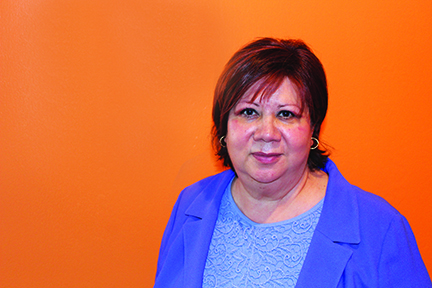
Magdalena Garcia
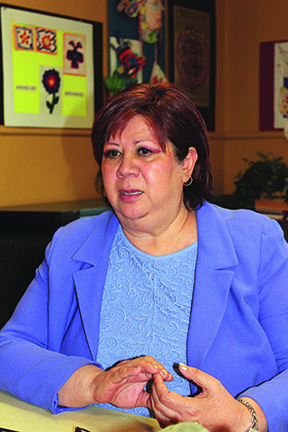
Magdalena “Maggie” Garcia has the rare opportunity this year to celebrate 25 years of a dream coming true and still going strong.
The founder-executive director of El Museo Latino in Omaha, the first Latino-Hispanic art, culture and history museum in the Great Plains, opened in 1993 because Garcia wouldn’t relinquish an idea. That idea to create a museum celebrating Latino heritage was emboldened by the empowering message conveyed by her father.
Garcia, 64, is the oldest of six sisters all born in Mexico City to Jesus and Beatriz Garcia. She did part of her growing up in Mexico, where she was exposed to fine and performing arts that inspired her.
“We returned every summer, sometimes for weeks and other times for the summer months,” she said. “Growing up I loved art and I was proud to be who I am.”
Her interest continued after she and her family moved to Omaha when Garcia was 9. She participated in traditional folk dancing from early childhood, even teaching fellow elementary school students to perform for the Our Lady of Guadalupe parish festival. She learned to make clothes from her seamstress mother. She admired her carpenter father’s handiwork restoring antique furniture. She dabbled in watercolor painting.
She comes from a family of art appreciators and creatives who all display some artistic talent.
As a young woman her life became more focused on education and employment.
“I come from a working class family. I never felt I needed anything because we had everything we needed. Always you worked toward something. It was that immigrant American Dream of if you work hard and you have a dream, it will come true,” she said.
She’s never forgotten the family patriarch’s words.
“I remember my father telling me. ‘My job is to provide everything you need – food, shelter, transportation, tuition. Your job is to do the best you can.’ He never said you have to get all As. That was never a pressure. It was just do the best you can – no skipping school, no playing hooky – that’s my expectation of you.’ Education was always very important to my parents. I don’t know how they put six girls through Catholic grade school and high school.”
Her father’s advice also drove her to follow her heart.
“When I was older, he sat me down and said, ‘You have to work, you need to be able to take care of yourself, so find something that makes you happy, that you love, that you have passion for – and go for it.’ I know that conversation happened with my sisters, too.”
The Garcia Girls are all accomplished college graduates.
“There weren’t any limitations placed on us. Starting with that belief of who you are and where you come from and that support from family was key for all of us.”
Preparing for her dream
It took her awhile to put into practice her father’s advice about heeding her heart after she was hired at Northern Natural Gas Co. through an affirmative action program
“That opened a door but that didn’t guarantee you were going to stay or advance in a career. I always felt it was important I prepare myself for any position I wanted. I checked off the requirements for education and training to make myself more qualified.”
She climbed the corporate ladder.
“My last position was as a human resources manager.”
Her passion for art still burned but was muted by the grind of a 9 to 5 workday and taking University of Nebraska at Omaah business classes at night. Still, art was as near to her office as Joslyn Art Museum across the street. An experience there rekindled her flame.
Her company made a permanent loan of its Maximilian-Bodmer Collection to the Joslyn, which in 1984 developed a national touring exhibition of these important Western art-history holdings. Garcia and some fellow employees trained as docents for the Views of a Vanishing Frontier exhibit.
“Marsha Gallagher, then-chief curator at Joslyn, welcomed us. She took us to one of the (storage) vaults. Watercolor was my passion and here were the Bodmer watercolors laying out in preparation for the exhibit. That was the moment I wanted to change careers. I said to myself, I know I need to find a way to be in a museum.'”
Garcia changed her major from business to art history.
In pursuit of her dream, she paved the way for her sisters’ higher education.
“Maggie was working full-time and married when she started at UNO. I remember her taking me when she registered for classes. She wanted to expose me to that environment, to that other world,” said her sister Maria Vazquez, who went on to earn degrees from Metropolitan Community College and UNO. She’s now Vice President for Student Affairs at MCC.
When Northern merged with Enron, Garcia made the move to its corporate headquarters in Houston, Texas. However, the lure of working in a museum was too great and she left to embark on a two-year museum studies graduate degree at Syracuse University in New York.
To supplement her studies, she immersed herself in museums.
“I did volunteer work in a number of museums in my journey, including the Joslyn, the Museum of Fine Arts in Houston and the Erie Canal Museum in Syracuse.”
All of it was preparation for creating El Museo Latino.
Her journey coincided with an explosion in America’s Latino population. She observed institutions seeking to reach that demographic through programming.
“I saw where Latino art collections were located. It made me aware for the first time there were only four Latino museums (then) in the whole United States: New York City, Chicago, Austin and San Francisco.
“It made me stop and think, why not one here in the Great Plains? Why not Omaha?”
Thus, the seed for El Museo Latino was planted.
She applied for a paid internship at the Guggenheim Museum in NYC but was surprised by a full-time job offer. Though flattered, she wanted to fast-track her master’s, so she did a part-time paid internship instead at the Los Angeles County Museum, which was preparing to host a traveling Mexican art show.
“I worked in the education department putting together some of the programming and training, writing materials, teaching docents.”
That experience further stoked her desire to make a Latino museum happen here. Reinforcing that desire were state mandates to bring multiculturalism into school curricula. Nebraska put it into effect in 1993.
“All those things were on my mind,” said Garcia, who was ready to take the best art opportunity afforded her.
“I was at a time in my life when I was going to pick up and go wherever. But this was still home.”
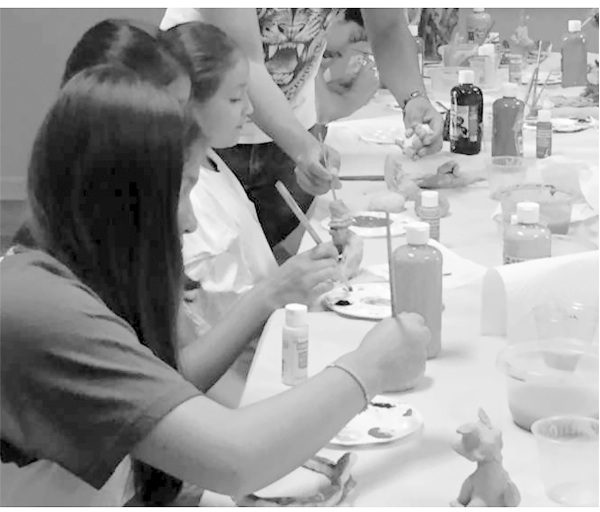
An art class/workshop at El Museo Latino
Realizing the dream
She decided to share her dream with community leaders. She’d already “drafted what mission and focus such a museum would have and what it would need in terms of 501c3 status and a board.”
She approached activist-educator Jim Ramirez with her vision. He organized a meeting with other movers and shakers including then-Omaha Mayor P.J. Morgan and arts enthusiast David Catalan. She made a presentation. The group toured the site she’d fixed on – a former print shop in the Livestock Exchange Building.
Where others were cautious, she was determined.
“The expectation was we’re going to do it. Who wants to help and be part of it. I signed the first contract with the Lund Company for that Livestock Exchange space.”
She didn’t let objections to the rough shape of that 3,000 square foot space stop her.
“There were holes in the wall. There were pools of grease and ink.”
Some thought it couldn’t be a museum.
“But I thought it could be. It wasn’t much, but it was a good start.”
All the work to get it secured and cleaned happened with sweat equity. There was no budget.
South Omaha was undergoing a major transition. The South 24th Street business district was dead and the immigrant-refugee resurgence just beginning. The Big Four packing houses were long gone. The stockyards on their last legs.
“We had to put a screen door on the entrance to our museum to keep out the flies.”
It took a big effort to repurpose the old print shop.
“Everybody we could pull in pitched in. Family, friends, their friends. We’d come in in shifts.”
It was an all-day, every day push for Garcia. “I’d go home, get a shower, take a quick nap and back I went.”
Her father helped restore the huge, beautiful windows that featured oak trim and copper fixtures.
“About a week before we were scheduled to open, I get a phone call from the owner of Designer Blinds in Omaha. He asked, ‘What are you going to do about the windows?'”
Though gorgeous, the windows let in excess sunlight not safe or conducive for the display of artwork. She’d thought of painting over or covering them but it was a week before the opening and they were still exposed.
The owner wanted to send a salesman with samples but Maggie kept begging off, saying she had no budget. She finally agreed to a visit and selected a style just to be rid of him. Later that day the owner called to point out she picked a non-energy efficient model. She repeated it didn’t matter since she couldn’t afford them anyway. Then the owner revealed he was donating the blinds and their delivery and installation for free.
The blinds went up opening day. They went with the museum when it moved to its current building in 1998.
Carpeting was donated by the Nebraska Furniture Mart.
Garcia also got her former employer to donate desks, panels and partitions.
“Some we’re still using.”
To assemble the opening exhibits Garcia called on local artists and tapped her own collection of Mexican textiles cultivated on her travels.
“We opened with two exhibits. One with local art, including painting and sculpture, and the other with textiles from my travels. That was the beginning.”
The museum got the space in April and opened May 5, which is the Cinco de Mayo observance of Mexican independence. The renovation took 34 days from start to finish. Each year, El Museo Latino co-celebrates its opening with Cinco de Mayo.
The museum might have located elsewhere. Area colleges courted it for their campuses, Some pressed for an Old Market or suburban site. But she insisted it operate independently and be situated near its base.
“We needed to be autonomous and we needed be in the Latino community of South Omaha. It should be in the community it represents and belongs to. The neighborhood doesn’t depend on the museum but there’s that support and connection, even if its just visual. The purpose of a museum is to serve its community, but I think ethnic museums have even one more connection with their community.”
The state multicultural mandate gave fledgling El Museo Latino an in with student tours. Founding board member Jim Ramirez proved a powerful ally and networker.
“He was very instrumental in getting the museum in front of superintendents and principals,” she said. “We’ve always worked with schools to get students here.”
Shes adamant about focusing on Latino art, culture, history year-round – not just for Cinco de Mayo. There’s an inexhaustible reservoir of rich material to draw on.
“If you live to be a thousand, you’ll never see everything that’s available or that you could see here.”
The museum’s built support by selling memberships and attracting grant support and donations. The Nebraska Arts Council, Humanities Nebraska and the National Endowment for the Arts are among its funders.
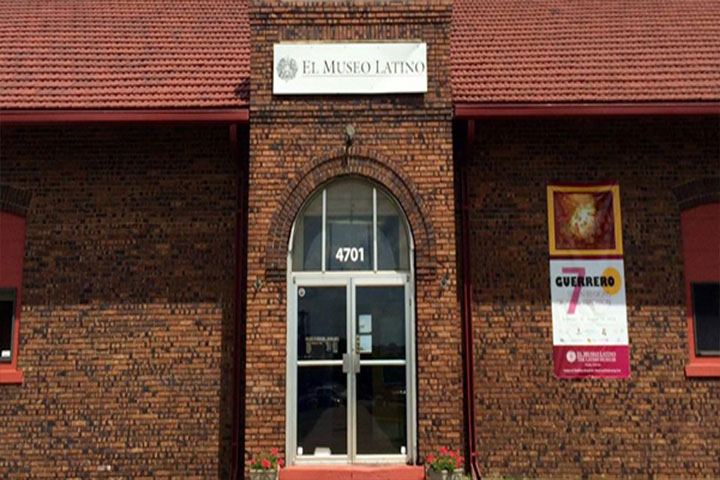
El Museo Latino
Making the museum international
Garcia’s been intentional establishing international ties with art scholars, curators and artists in Mexico.
“That had been taking place before the museum opened. I would travel to different places to feed my interest in art. In my two years of graduate work I spent part of the summers in Mexico City at universities there meeting department heads and artists.
“In Houston, waiting to get into grad school, I took some classes at Rice University, whose gallery showed a photography exhibition curated by several artists. One of them was Cristina Kahlo (great niece of Frieda Kahlo). “That’s when i met Cristina. We corresponded and anytime I was in Mexico City we would meet. She introduced me to artists. The artists there knew what I wanted to do and were aware when the museum opened. They knew it mean exhibition opportunities.
“I did research on Mexican muralists. Over time I continued to build those connections.”
Garcia’s parlayed those connections by having Mexican artists and scholars visit. Cristina Khalo’s had several exhibits there. A frequent visitor is educator, photographer, mixed-media and installation artist Humberto Chavez. Garcia feels fortunate having a friend of the museum as well-versed and connected as Chavez is in Mexican art circles. His extensive travels and work expose him to diverse artists and art communities.
“We’ve worked with professor Chavez since ’95. Over the years we’ve had his work in a number of exhibitions. We’ve worked with artists and art organizations he’s been associated with in different parts of the country.”
Chavez said the work he’s brings to Omaha highlights different art strains in Mexico.
“We have different centers of art in different states of Mexico. I am trying to show the production of each center.”
Several years ago at El Museo Latino he curated work from the graphic workshop, La Parota, in Colima.
“It’s become very known in Mexico. In this space a lot of very important national and international artists have emerged or come there to produce different projects of graphic arts.”
Just as Garcia values this ongoing association, Chavez appreciates his Omaha ties.
“Having this new connection with artists was very important to me.”
In Omaha, he said, he’s found a kindred art family 1,500 miles from Mexico City. He looks forward to the relationship continuing.
“For all my life, I hope. Yes, I like to come, I like the artistic life in Omaha. I like for Omaha artists to come.”
El Museo Latino now operates an artist residency program that benefits form these cultural exchanges..
Chavez came from Mexico to do an extended artist-in-residence program but also to mentor to local artists.
“We also brought Carlos Tortolero, president and founder of the National Museum of Mexican Art in Chicago. If you’re a Latino artist, that would be one place you would want to exhibit your work. It’s an opportunity to bring our resident artists to their attention.
“These experiences expose our artists to another point of view and provide opportunities for them to grow. We’re opening windows or doors for our resident artists because of our connections in Mexico and there might be opportunities to have residencies down there.”
By sharing work, ideas, contacts, she said, “we’re helping each other,”
Connections sometimes happen in unexpected ways.
“A dance group from the University of Chihuahua traveled here under the auspices of the Mexican Consulate. They ended up coming to do a performance. Over the years that university and other universities have sent us professors to do residencies. It’s also a great opportunity for our students to go there to study. It goes both ways. Many families that have students in our programs travel back to Mexico during their vacations.
“There have been people who’ve really believed in what we’re doing and want to find ways to help us and open up doors, not only for us but for artists of whatever age and level.”
 Setting down roots and growing
El Museo Latino soon outgrew its space in the Livestock Exchange Building and in 1998 moved to its current site at 4701 South 25th Street.
“We looked for about a year at different buildings,” Garcia said.
The former Polish Home became the top choice for its size (18,000 square feet), proximity and historical significance (it’s now on the National Register of Historic Places).
“I had never been in this building before,” Garcia noted.
The brick walls, red tile roof and manicured courtyard reminded her of a Mexican hacienda.
El Museo Latino at first leased only the north wing with an option to purchase the entire building. Then, “in July ’98,” Garcia said, “we exercised our option and took over the rest of the building.”
What had been the ballroom-reception hall became the main galleries. The bar became a classroom.
The museum presented a centennial anniversary look back at the 1898 Trans-Mississippi and International Exposition. That 19th century fair likely included the state’s earliest public display of Hispanic heritage. In doing research for the museum’s commemoration of the event, Garcia discovered Mexico sent a cultural exhibition and official delegation.
“The exhibit was installed in the International Building. It included Aztec things and samples of products, such as beans and gold. In addition to Mexico, other Latin countries sent things. Panama, for example, sent a replica of the canal.
“It was nice to make that connection. I’ve often wondered if everything got sent back to Mexico or if it’s sitting somewhere here in Omaha.”
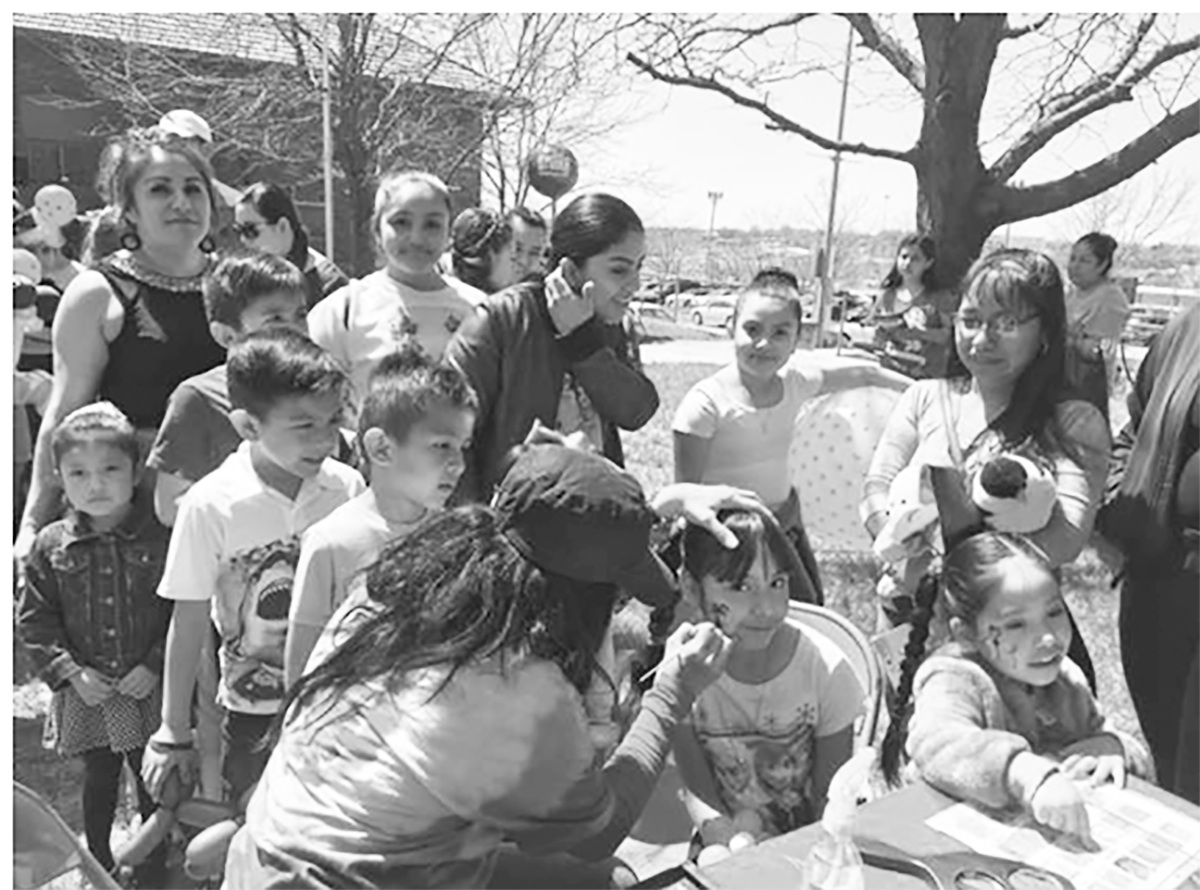
Family Fun Day
Exhibitions-programs express art, culture, history
Each El Museo Latino exhibit has its own life. Whenever possible, Garcia tries having featured artists at their exhibit openings. “That’s important,” she said.
For Garcia, “a new exhibit is an opportunity to research and learn about an art form or perhaps a new approach.” Part of her role is to bring to light an exhibit’s social, cultural, historical context. “I think if you can bring more aspects of that culture, it’s richer and it becomes more aligned and true.”
Former UNO Center for Innovation in Arts Education director Shari Hofschier said the museum “provides a showcase for rich Latino heritage and traditions,” adding, “It is a regional gem in the quality of its programs and exhibitions.”
Founding board member David Catalan said the museum’s “enriched our community.” Hofschire said it not only provides a cultural background to the Latino community but to the wider community. They refer to Maggie as “the building block” and “foundation,” respectively, of the museum. Both credit her passion and leadership for its success.
Recognition has come to Garcia from various quarters. In 2015 the Mexican Government honored her lifetime achievement in the arts with an award presented locally by the Mexican Consul.
The museum’s permanent collection is mostly photographs, prints and textiles, with some sculpture. “We do have a lot of folk art,” Garcia said.
A history of Latinos in Omaha is on permanent display. Humberto Chavez made the exhibit’s photo portraits.
“He was at the end of a Bemis Center residency. I loved his work and I shared with him I wanted somehow to document Latino presence. He decided it had to be in black and white (with accompanying bios). We worked up a set of questions, many having to do with why and how immigrants came here. We made contact with people in the community. I accompanied him to the sessions.”
The project prompted Garcia to reflect on the immigrant story of her own family and other families.
“I know we ended up here because I had an aunt who moved here many years before us. Many times families will go where there’s a relative. You’re not going to be totally alone, you’re at least going to know somebody who can help you get started.”
The prevalence of meatpacking and railroad jobs here was a big draw the first two thirds of the 20th century.Many folks came escaping poverty or civil unrest.
“Some people we documented heard Omaha had jobs.Some talked about first coming to Kansas City or Chicago before settling in Omaha.”
She said Omaha came to be known as a good place to find work and to raise a family. It didn’t have the overcrowded slums of other major metropolitan areas.
“Ninety-nine percent of those who fled come for a better life – to make money, to send back or to go back.”
Some elders described the Mexican revolution. When rebels Pancho Villa or Emiliano Zapata went through a village, they took boys as soldiers to fight in the war. The guerilla armies then were similar to the ones that preceded or followed them in history.
Where home is
Something she means to document is the length of time it takes for an immigrant family to consider their new surroundings home.
“You move to America, but you always think, we’re going to go back. It’s home, but it’s home temporarily.”
She said that way station attitude was her family’s, too, “until we moved back to Mexico for a year and realized we didn’t fit there.”
“Things didn’t work out.”
When she was in her late teens she and her family made that aborted move – she completed her junior year of high school in Mexico – before deciding to return to America.
“It’s a different way of life down there. Once we came back, this was home. It’s a different mindset. We can always go back to visit – but this is home.”
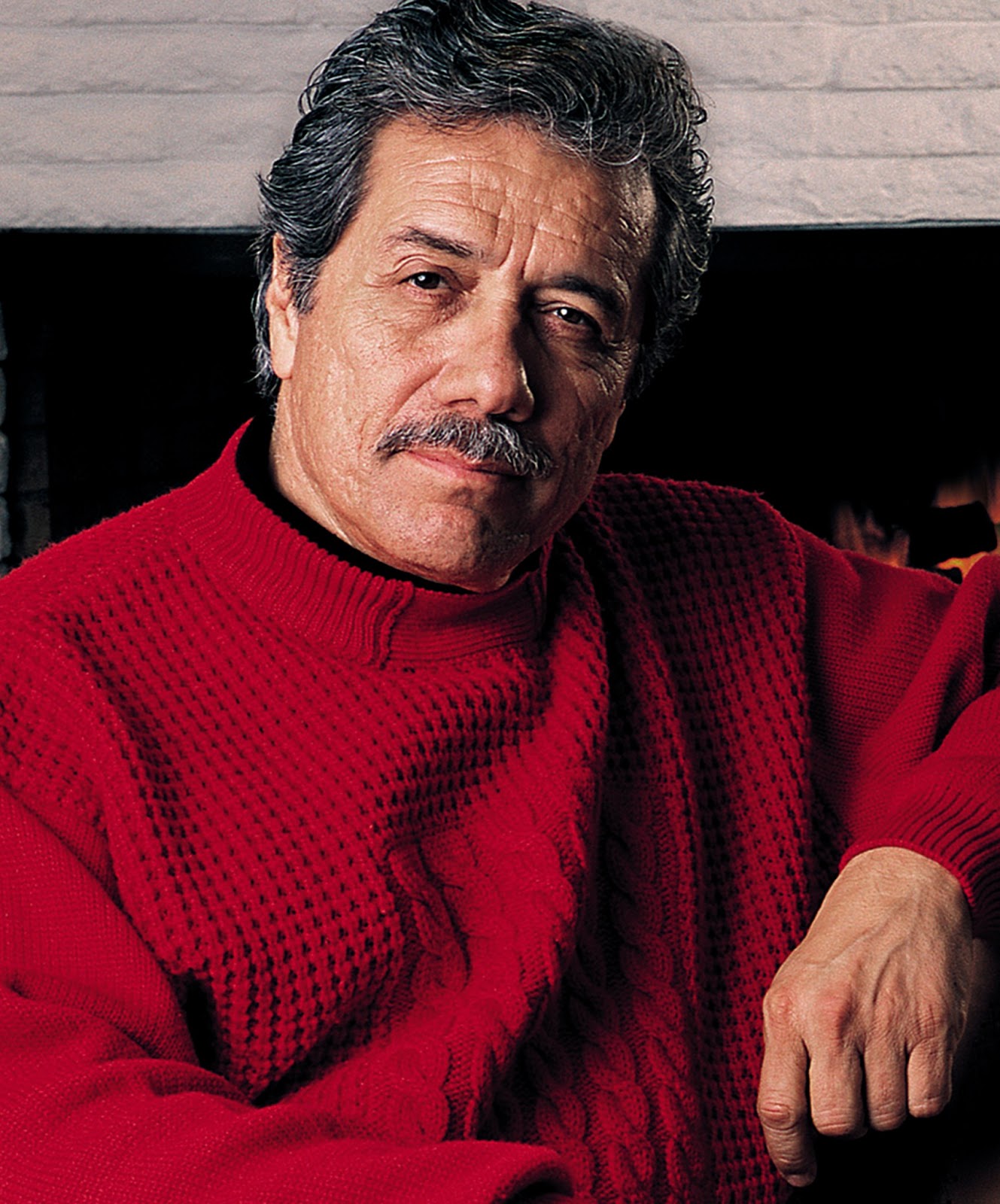
Edward James Olmos
Always something new
El Museo annually hosts six or seven traveling exhibits.
“My new favorite is whatever I have up now,” Garcia said. “Over the years there’s been some really special ones and we’ve featured some major artists.”
The 2001 Smithsonian exhibit, Americanos: Latino Life in the United States, featured 120 photographs depicting the diversity of Latino life.
To promote the exhibit, Garcia selected “an image of this peasant man posed against a field of flowers.”
“He’s holding these beautiful yellow tulips in his huge hands. It was the most beautiful representation of who our working people are out in the fields.”
The size of the show maxed out the museum.
“We used every inch of space in our galleries. We even used the stage.”
A special added attraction with the show was the participation of actor-activist Edward James Olmos, who helped organize and promote the exhibit and appeared at each opening on its national tour.
“He was here for the opening,” Garcia said. “I got to pick him up at the airport. He was like, ‘Mija!’ – just like you saw him in Selena. It was wonderful to meet him. He spent two days here. He wanted to talk to our youth, so we contacted the Boys Club and they brought several vans full of kids. We filled a big room.”
Other notables who’ve visited include network television journalist John Quiñones and civil rights leader and former president of the National Council of La Raza (NCLR) Raul H. Izaguirre. Nebraska community leaders and elected officials have also visited.
Another Smithsonian exhibit, Our journeys, Our Stories: Portraits of Latino Achievement, showed at El Museo in December 2006 through January 2007. Two of the portrait subjects attended the opening.
With whatever exhibition is up, the museum programs related workshops and events around it. For this past summer’s contemporary textiles exhibit by artist Marcela Diaz, whose work represents the traditional textile fiber art of the Yucatan Region using natural fibers of cactus and coconut, the Yucataz artist came to present a fiber art workshop. Other artists did subsequent workshops.
The Diaz textiles show continues through December 16.
The annual Day of the Dead exhibit will run from October 13 through November 17. It will be complemented by traditional paper-cut workshops,
Also showing this fall is a photo exhibit by Garcia’s old friend and colleague, Humberto Chavez, titled TESTIGOES. from October 20 through December 1.
In January, the museum presents Tintes Naturales, an exhibit of natural tints textiles from Mexico.
Whenever there’s a show related to the Mexican Revolution, dance program students learn the dances of the period and perform them to live music.
“They research how people dressed, they create costumes. It’s almost like the men and women frozen in time in photographs jump from the wall as you see the dances and hear the music of the period,” Garcia said. “All of a sudden it comes alive through several art forms. Combining them is fantastic.”
El Museo’s dance program and troupe are among ongoing activities that happen year-round.
“It has a life of its own, It’s youth and adults. When the museum opened that was one of the first programs we started with. It’s been a standing program ever since.”

Taking stock
Institutionally, Garcia said, “we continue to grow –
maybe not as fast as we should.” “Programmatically,” she said, “there’s more requests coming in, so I’m trying to find a way to grow to the next level where we can be reaching out to the community to many more people. I want it to grow. That’s what I want.”
More staff’s needed and that means more funding.
“We can’t now go to very many schools to bring programs there. We need somebody to manage contracting and developing more outreach. It’s still a small group managing all that now.”
Things may not be as far along as she’d like, but 25 years educating and entertaining the public is no small feat. All she has to do to know the museum’s making a difference is to look at who’s enjoying it.
“This summer we had an outdoor screening of Coco and the courtyard was full of families. To plan something and then see the reaction of people is satisfying.”
Seeing visitors, especially children, walk through the galleries and respond to the work, she said, “makes the exhibit worthwhile and makes the museum worthwhile.”
“If we can only touch one student, it’s worth it.”
When school groups arrive she knows kids are not yet sold on being there. “But once you start talking to them and sharing information and they start asking questions, you’ve got them engaged, and that’s fantastic,” she said.
Tour groups are the museum’s lifeblood. Some 50,000
patrons visit the museum yearly.
“We know people are coming from all over the metropolitan area,” Garcia said. “A lot of them are coming from outside Omaha,”
Harvesting heritage
El Museo Latino is a direct expression of Garcia sharing her love of heritage with others.
“It is paying tribute, it is focusing on our culture, our traditions. It is satisfying.”
It’s also a reminder of how she never abandoned her roots. She said relatives from Mexico who’ve visited the museum told her, “When you left for the United States we thought you were going to forget about everything. How can you so far away have come full circle to have a passion for who you are and your roots when there are many of our own kids that don’t care or value it?”
Garcia is familiar with the pattern of people distancing themselves from their past.
“You see it there, you see it here,” she said. “They view it as something they left behind – we don’t want to know anymore about it because we want to become mainstream Americans.”
But Maggie and her museum celebrate the totality of what it means to be human.
“The whole idea of this is that you can be whoever you are without forgetting where you come from and without denying this rich culture that we have. That doesn’t mean you have to choose either loving your county or loving your roots. You do both. You can be all of that.
“I’ve always been proud of my heritage. I’ve never denied coming from Mexico. At the same time, America is home.”
Her whole family’s volunteered there. Her sister Silvia Wells is managing director. As each Garcia Girl’s found success, the whole family’s shared in it. Their legacy lives on in part through the museum.
The museum’s commemorating its 25th anniversary throughout the year, including an Open House on Saturday, October 13 from 11 a.m. to 2 p.m.
Visit http://www.elmuseolatino.org.
Read more of Leo Adam Biga’s work at leoadambiga.com.
Life Itself XIV: Art stories through the years
Life Itself XIV: Art stories through the years

Brigitte McQueen Shew
Free North Omaha Summer Arts Crawl features variety of art forms – Friday, August 10 at select North 30th Street Corridor venues
https://leoadambiga.com/2018/07/25/free-north-omaha…-corridor-venues
Process equals passion for migrant Bemis resident artist Trevor Amery
https://leoadambiga.com/2018/03/08/process-equals-p…ist-trevor-amery
Sculptor Benjamin Victor gives shape to Ponca Chief Standing Bear’s enduring voice
https://leoadambiga.com/2018/05/01/sculptor-benjami…s-enduring-voice
Mural Man – Artist Mike Giron captures heart of South Omaha
https://leoadambiga.com/2017/05/02/mural-man-artist…t-of-south-omaha
A Fluid Life: Dana Oltman Goes With the Flow
https://leoadambiga.com/2018/08/03/a-fluid-life-dan…es-with-the-flow
New Artist Residency Program at El Museo Latino supports the practice of local Latino artists
https://leoadambiga.com/2016/06/10/new-artist-resid…l-latino-artists/
Art in the heart of South Omaha
https://leoadambiga.com/2017/09/22/art-in-the-heart-of-south-omaha
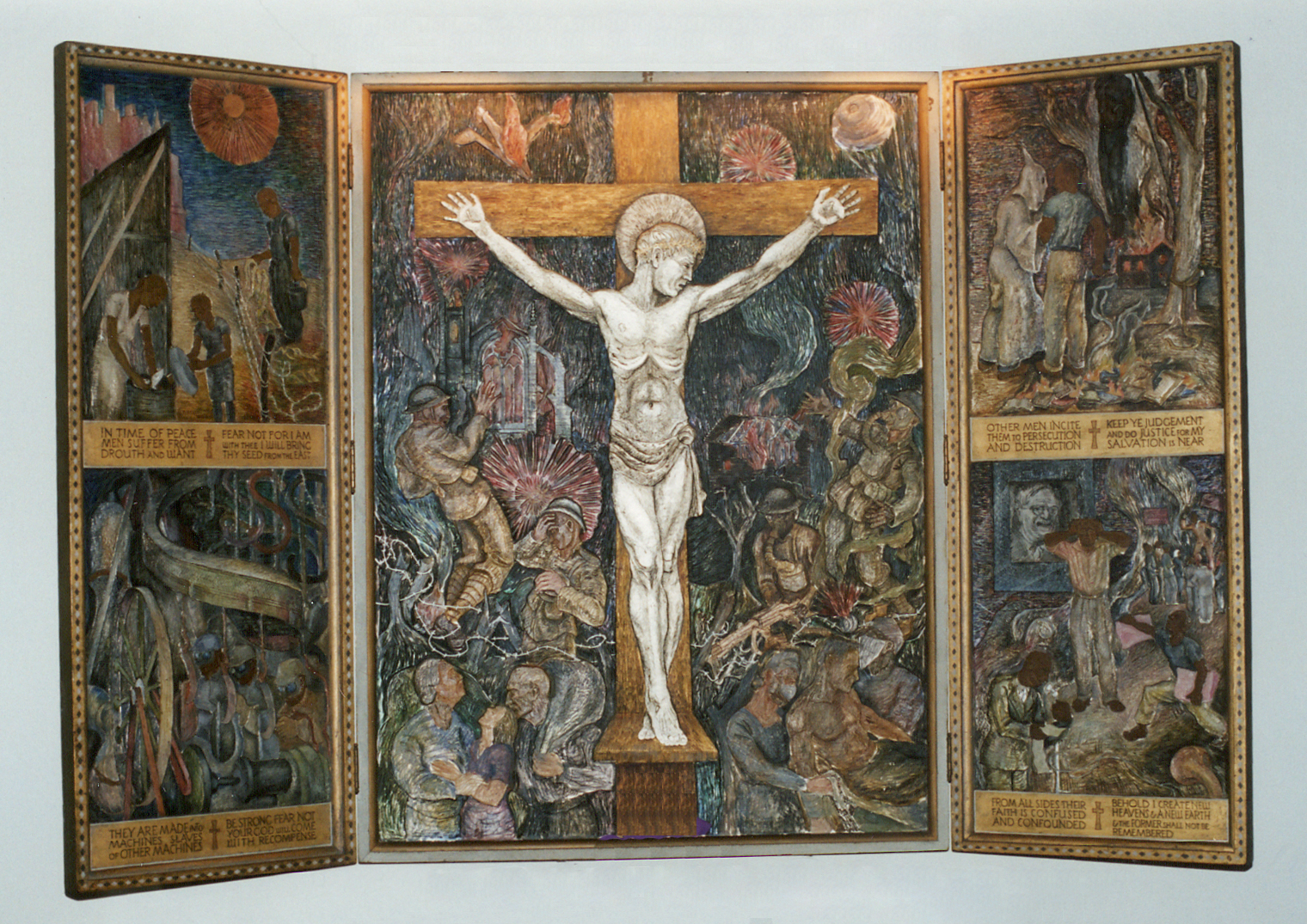
©“Crucifixion” triptych by Leonard Thiessen
Brigitte McQueen Shew’s Union of art and community uses new Blue Lion digs to expand community engagement
https://leoadambiga.com/2017/06/26/brigitte-mcqueen…unity-engagement/
South Omaha Museum: A melting pot magic city gets its own museum
https://leoadambiga.com/2017/04/13/a-melting-pot-ma…s-its-own-museum
Artist Erin Blayney: The Great Reveal
https://leoadambiga.com/2018/08/03/artist-erin-blay…the-great-reveal/
Omaha Fashion Week & SAC Federal Credit Union: Building the fashion eco-system via business focus
https://leoadambiga.com/2015/08/05/omaha-fashion-we…a-business-focus
Leonard Thiessen social justice triptych deserves wider audience
https://leoadambiga.com/2017/01/21/leonard-thiessen…s-wider-audience
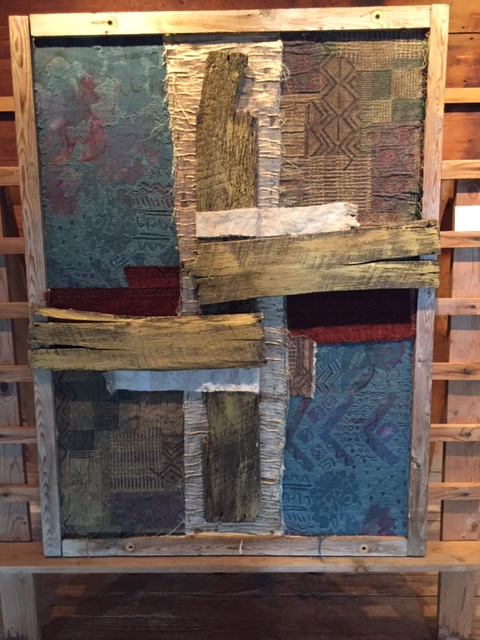
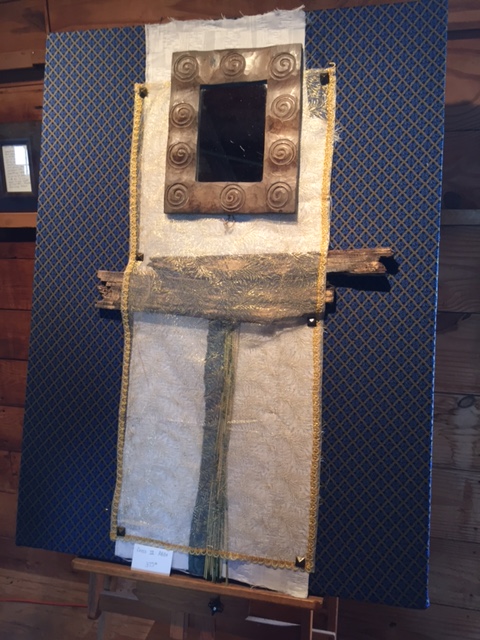
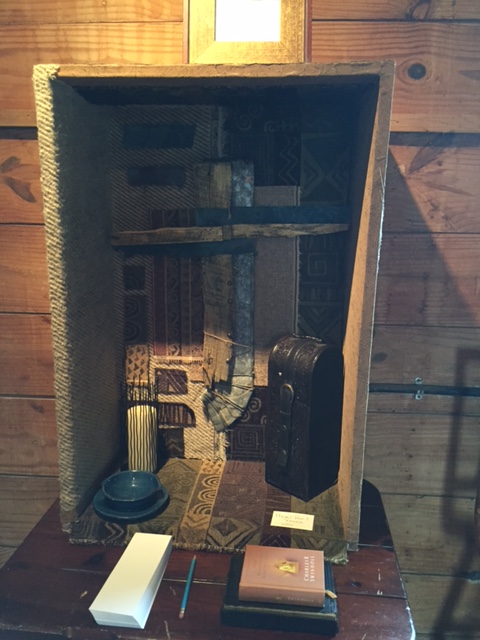
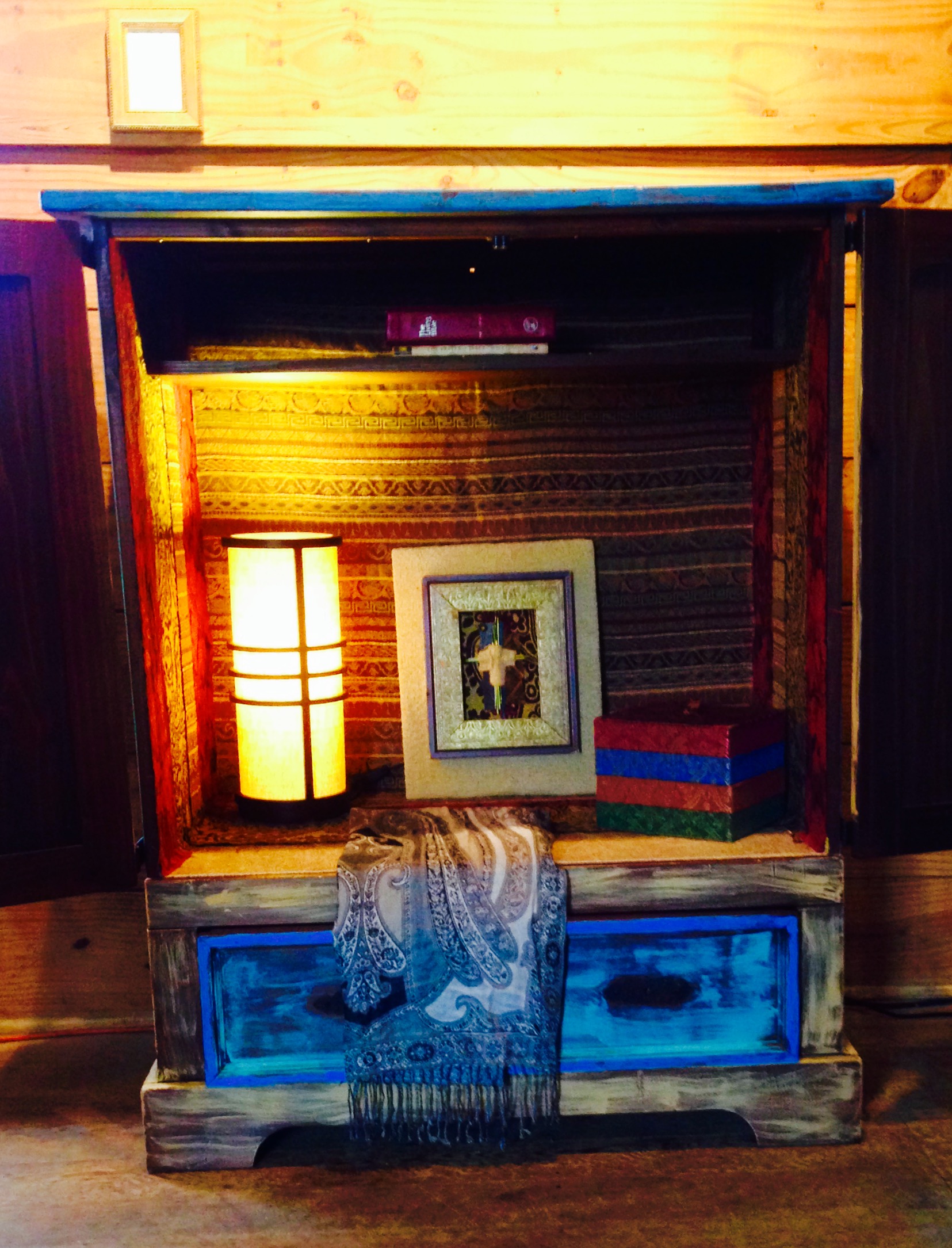
 ©Crosses and prayer stations by Pamela Jo Berry and pottery by Katie Cramer
Harmonious, luminescent pairing of art – “Prayer” and “Share” – on exhibit at Florence Mill ArtLoft Gallery
https://leoadambiga.com/2016/09/12/harmonious-lumin…-artloft-gallery
Mural project celebrates mosaic of South Omaha culture
https://leoadambiga.com/2016/07/19/mural-project-ce…th-omaha-culture/


Los Dias de Los Muertos festival offers three weeks of exhibits and events
https://leoadambiga.com/2015/10/16/los-dias-de-los-…ibits-and-events
My Joslyn Art Museum Community Pick is Thomas Hart Benton’s “The Hailstorm”
https://leoadambiga.com/2015/08/03/my-joslyn-commun…s-picked-and-why
Bright Lights: Teen designer Ciara Fortun mines Filipino heritage in Omaha Fashion Week collection
https://leoadambiga.com/2016/07/29/bright-lights-te…-week-collection
Yolanda Diaz success story with Little Miss Fashion nets her new recognition
https://leoadambiga.com/2016/05/05/yolanda-diaz-suc…-new-recognition

Yolanda Diaz works on a skirt in her Little Miss Fashion shop in Omaha. (©Photo by Mike Tobias, NET News)
The Designers: Omaha’s Emerging Fashion Culture
https://leoadambiga.com/2014/02/02/the-designers-om…-fashion-culture
A Passion for Fashion: Omaha Fashion Week emerges as major cultural happening
https://leoadambiga.com/2010/09/21/a-passion-for-fashion
Coming Home: Watie White’s public art installation tells stories of North Omaha home and family
https://leoadambiga.com/2013/02/07/coming-home-wati…-home-and-family
Art and community meet-up in artist’s public projects; Watie White mines urban tales
https://leoadambiga.com/2014/09/24/art-and-communit…ines-urban-tales

Home exterior art installation by Watie White
The Artist in the Mill: Linda Meigs brings agriculture, history and art together at Florence Mill
https://leoadambiga.com/2014/08/01/linda-meigs-brin…at-florence-mill/
Opera Omaha enlists Jun Kaneko for new take on “The Magic Flute” – co-production of Mozart masterpiece features stunning designs setting the opera world abuzz
https://leoadambiga.com/2013/02/01/opera-omaha-enli…pera-world-abuzz
Isabella Threlkeld’s lifetime pursuit of art and Ideas yields an uncommon life
https://leoadambiga.com/2010/08/04/isabella-threlke…an-uncommon-life
|

Isabella Threlkeld
Omaha arts-culture scene all grown up and looking fabulous
https://leoadambiga.com/2011/03/06/omaha-arts-culture-scene-grows-up
Artists running with opportunity to go to the next level; Carver Bank resident artists bring new life to area
https://leoadambiga.com/2013/05/20/artists-running-…new-life-to-area
Carver Building rebirthed as arts-culture haven; Theaster Gates, Rebuild and Bemis reimagine North Omaha
https://leoadambiga.com/2012/12/05/carver-building-…gine-north-omaha
North Omaha synergy harkens new arts-culture district for the city
https://leoadambiga.com/2012/06/26/a-synergy-in-nor…ict-for-the-city

Inaugural group of Carver Bank resident artists
Change is gonna come: GBT Academy in Omaha undergoes revival in wake of fire
https://leoadambiga.com/2011/06/14/a-change-is-gonn…the-wake-of-fire
Community-builders Jose and Linda Garcia devote themselves to a life promoting Latino art, culture, history
https://leoadambiga.com/2012/09/30/community-builde…-culture-history
The Wonderful World of Artist and Social Entrepreneur Jeffrey Owen Hanson
https://leoadambiga.com/2013/01/01/the-wonderful-wo…frey-owen-hanson
Matter of the heart: Pamela Jo Berry’s love for community brings art fest to North Omaha
https://leoadambiga.com/2013/08/08/pamela-jo-berry-…-in-diverse-work
Old Market Pioneer Roger duRand
https://leoadambiga.com/2012/12/26/old-market-pioneer-roger-durand

©Work by Wanda Ewing
Wanda Ewing Exhibit: Bougie is as Bougie Does
https://leoadambiga.com/2013/12/08/wanda-ewing-exhi…s-as-bougie-does
Color Me Black, Artist Francoise Duresse Explores Racial Implications
https://leoadambiga.com/2012/06/17/color-me-black-a…ications-of-race
Artist-Author-Educator Faith Ringgold, A Faithful Conjurer of Stories, Dreams, Memories and History
https://leoadambiga.com/2012/04/18/artist-author-ed…ries-and-history
Old Market-based artist Sora Kimberlain: A life in art
https://leoadambiga.com/2012/07/20/old-market-based…in-a-life-in-art
Artist Claudia Alvarez’s new exhibition considers immigration
https://leoadambiga.com/2012/03/23/artist-claudia-a…ders-immigration
For artist Terry Rosenberg, the moving human body offers canvas like no other
https://leoadambiga.com/2012/03/23/for-artist-terry…as-like-no-other
©Works by Terry Rosenberg


Fine art photographer Vera Mercer’s coming out party
https://leoadambiga.com/2012/02/18/artist-vera-merc…coming-out-party
Exhibit by photographer Jim Krantz and his artist grandfather, the late David Bialac engages in an art conversation through the generations
https://leoadambiga.com/2011/10/28/photographer-jim…-the-generations/

A very young Jim Krantz with iconic mentor, Ansel Adams, ©photo Jim Krantz
Touched by Tokyo: Hairstylist to the Stars Tokyo Stylez
https://leoadambiga.com/2016/08/27/touched-by-tokyo…ars-tokyo-stylez/
The Troy Davis Story: From Beyond the Fringe to Fringes Salon
https://leoadambiga.com/2012/12/27/the-troy-davis-s…to-fringes-salon/
Hair stylist-makeup artist Omar Rodriguez views himself as artisan
https://leoadambiga.com/2015/05/13/hair-stylist-mak…mself-as-artisan/
Young artist steps out of the shadows of towering presence in his life
https://leoadambiga.com/2011/09/03/a-young-artist-s…ence-in-his-life/
Eddith Buis, A Life Immersed in Art
https://leoadambiga.com/2012/06/11/eddith-buis-a-life-immersed-in-art/
Artist Bernard Stanley Hoyes explores the lamentations and celebrations of Jamaican revival worship
https://leoadambiga.com/2011/08/28/artist-bernard-s…-revival-worship

©”Flow with the Rhythm” by Bernard Stanley Hoyes
Catherine Ferguson’s exploration takes her to Verdi’s “Aida” and beyond
https://leoadambiga.com/2010/08/01/artist-catherine…-aida-and-beyond
Therman Statom works with children to create glass houses and more
https://leoadambiga.com/2010/05/31/glass-artist-the…kids-art-brigade
Blizzard Voices: Stories from the Great White Shroud
https://leoadambiga.com/2018/07/27/blizzard-voices-…eat-white-shroud
African presence in Spanish America explored in three presentations
https://leoadambiga.com/2012/03/25/african-presence…ee-presentations
Jose and Linda Garcia find new outlet for their magnificent obsession in the Mexican American Historical Society of the Midlands
https://leoadambiga.com/2012/03/25/jose-and-linda-g…-of-the-midlands
Timeless Fashion Illustrator Mary Mitchell: Her Work Illustrating Three Decades of Style Now Subject of New Book and Exhibition
https://leoadambiga.com/2012/01/07/timeless-fashion…k-and-exhibition/
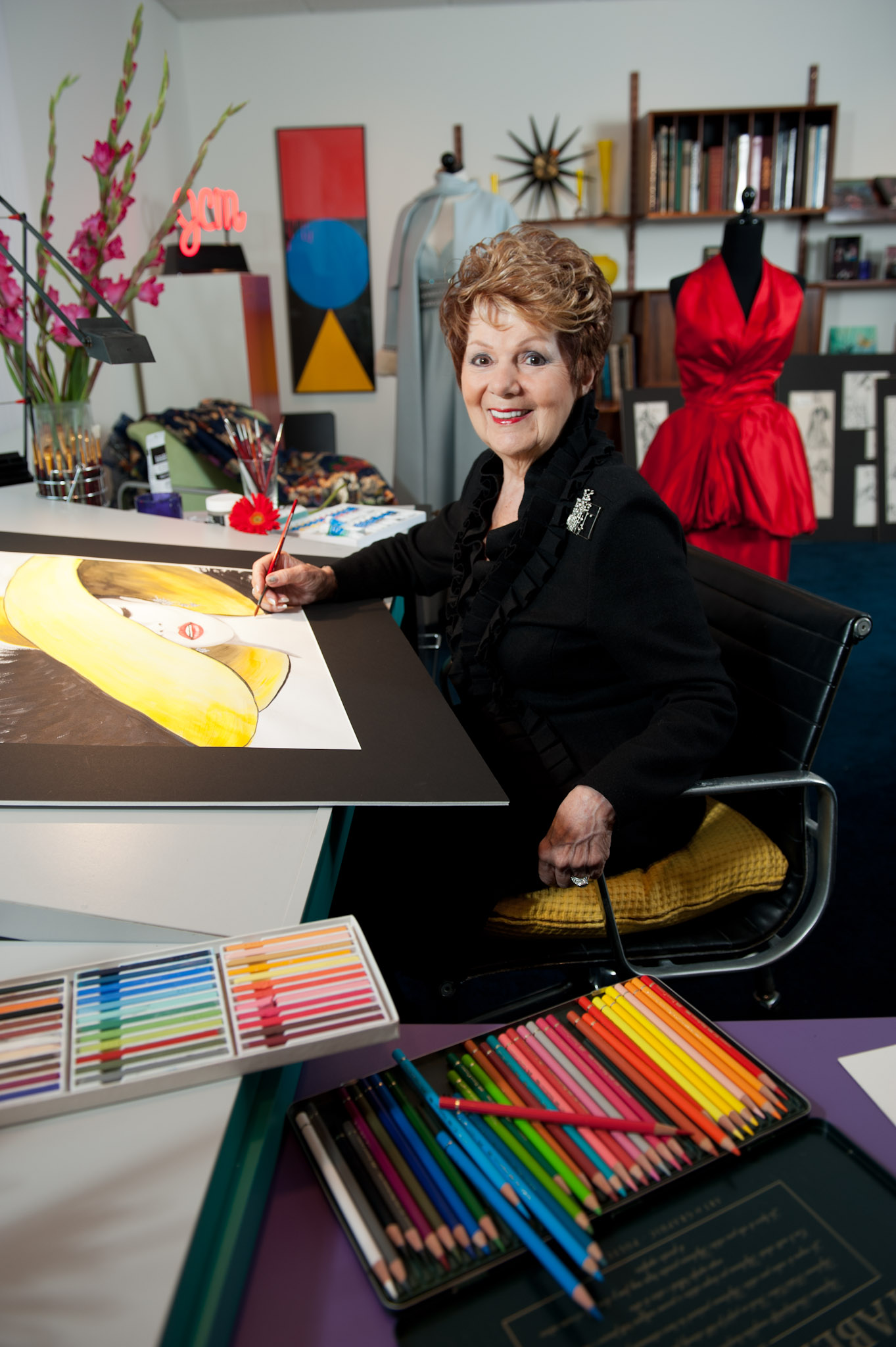
Mary Mitchell in her studio, @photo Jim Scholz
A Passion for Conservation: Tara Kennedy
https://leoadambiga.com/2011/11/25/a-passion-for-co…ion-tara-kennedy
Nancy Kirk: Arts maven, author, communicator, entrepreneur, interfaith champion
https://leoadambiga.com/2011/10/21/nancy-kirk-arts-…erfaith-champion
Art as revolution: Brigitte McQueen’s Union for Contemporary Art reimagines what’s possible in North Omaha
https://leoadambiga.com/2011/10/25/art-as-revolutio…e-in-north-omaha
“Portals” opens new dimensions in performance art – Multimedia concert comes home for Midwest premiere
https://leoadambiga.com/2011/10/06/portals-opens-ne…midwest-premiere
Open Minds: “Portals” explores human longing in the digital age
https://leoadambiga.com/2011/04/15/open-minds-porta…-the-digital-age

©Triptych designed and painted by Bro. William Woeger
Soon Come: Neville Murray’s passion for Loves Jazz & Arts Center and its role in rebirthing North Omaha
https://leoadambiga.com/2011/08/28/soon-come-nevill…hing-north-omaha
Inner City Art Exhibition Tells Wide Range of Stories
https://leoadambiga.com/2011/09/01/an-inner-city-ex…range-of-stories
Art from the Streets
https://leoadambiga.com/2011/09/01/art-from-the-streets
Manifest Beauty: Christian Bro. William Woeger devotes his life to Church as artist and creative-cultural-liturgical expert
https://leoadambiga.com/2011/08/27/manifest-beauty-…-cultural-center
Photographer Larry Ferguson’s work is meditation on the nature of views and viewing
https://leoadambiga.com/2011/08/21/photographer-lar…iews-and-viewing/
Frederick Brown’s journey through art: Passage across form and passing on legacy
https://leoadambiga.com/2011/06/22/frederick-browns…ing-on-of-legacy

Jazz and blues artist Frederick J. Brown displays his painting “Stagger Lee,” in Kansas City, Mo.
A stitch in time builds world-class quilt collection and center-museum
https://leoadambiga.com/2011/06/21/a-stitch-in-time…nd-center-museum
Once More With Feeling: Loves Jazz & Arts Center back from hiatus
https://leoadambiga.com/2011/05/05/once-more-with-f…back-from-hiatus
Adventurer-collector Kam-Ching Leung’s Indonesian art reveals spirits of the islands
https://leoadambiga.com/2011/06/14/adventurercollec…s-of-the-islands

©Indonesian art piece, collection of Kam-Chieng Leung
Kent Bellows Legacy Lives On
https://leoadambiga.com/2010/10/13/bellows-legacy-lives-on/
Kent Bellows: Soul in Motion
https://leoadambiga.com/2010/09/21/kent-bellows-soul-in-motion
Rebecca Herskovitz forges an art family at Kent Bellows Studio and Center for Visual Arts
https://leoadambiga.com/2010/10/13/rebecca-herskovi…-for-visual-arts/

©Self-portraits by Kent Bellows
Art for Art’s Sake: Bemis Center for Contemporary Arts
https://leoadambiga.com/2010/09/21/art-for-arts-sak…ontemporary-arts
Combat sniper-turned-art photographer Jim Hendrickson on his vagabond life and enigmatic work
https://leoadambiga.com/2010/08/30/combat-sniper-tu…d-enigmatic-work
Naturalist-artist John Lokke – In pursuit of the Timber Rattlesnake and In the footsteps of Karl Bodmer
https://leoadambiga.com/2010/09/02/naturalist-artis…s-of-karl-bodmer
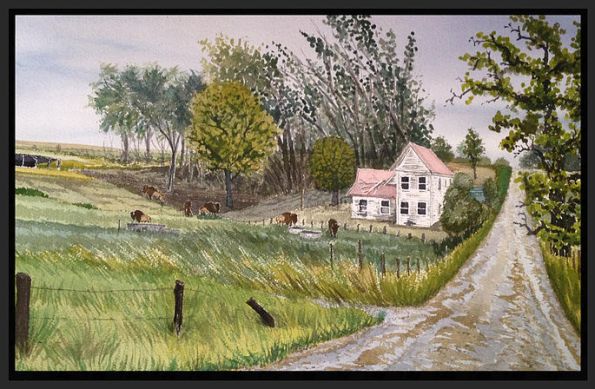
©Painting by John Lokke
Art Missionaries, Bob and Roberta Rogers and their Gallery 72
https://leoadambiga.com/2010/06/19/art-missionaries
Photographer Monte Kruse pushes boundaries
https://leoadambiga.com/2010/08/22/photographer-mon…ushes-boundaries
From the Archives: Photographer Monte Kruse works close to the edge
https://leoadambiga.com/2011/10/13/from-the-archive…lose-to-the-edge
Omaha blues man Hector Anchondo riding high

Omaha blues man Hector Anchondo riding high
©by Leo Adam Biga
Appearing in the August 2018 Reader (www.thereader.com)
Blues singer-songwriter-guitarist Hector Anchondo has paid the price to live the dream. Calling Omaha home for two decades, he led his Hector Anchondo Band to the 2016 International Blues Challenge finals in Memphis after reaching the semis a year earlier.
In 2017, their Roll the Dice album charted worldwide and the group won Omaha Entertainment and Arts Awards recognition for Best Blues.
After years working odd jobs to supplement his music earnings, Anchondo, 38, now supports his family doing what he loves He also gives back to the adopted hometown that nurtured him as founder of In the Market for Blues festival. Twenty-eight bands will gig at eight Old Market venues Saturday, August 4. His band hits the stage at midnight at T. Henrey’s Pub. A jam session follows.
Things are golden for Anchondo. He’s getting married, He’s becoming a father a second time. He’s written songs for a new album (his eighth). His tour rides are in a 2016 Ford Transit 350 XLT, not the beaters he used to drive. But he was reminded of the fragility of it all last April when the night before a tour was to commence, severe stomach pains landed him at University Hospital. Surgeons removed his gallbladder.
Once through the health crisis, there were crushing medical care costs for which he had no insurance, Anchondo could see it all slipping away. But the Omaha Blues Society held a fundraiser concert at Chrome Lounge and friends launched a YouCaring campaign. He’s healed now and can pay his bills.
Speaking to The Reader from Aspen, Colorado, where he solo toured last month, Anchondo reflected on the journey that’s taken him from his Missouri Ozark hill country origins to this Great Plains base and beyond.
He took up guitar at 16 while living on his family’s farm. He’d never played an instrument before, though he did sing in choir. It was passion at first lick.
“It was like a flip switched on. I took it very serious from the start. I’ve always been about the craft of it,” he said.
He recalls a guitar solo in a Guns N’ Roses video sealing the deal.
“I was like, That is what I’m going to do, and that’s what I’ve been doing ever since.”
He grew up influenced by Los Tigres del Norte, traditional American roots sounds, soaring Jimi Hendrix blues riffs and ’90s grunge-hip hop beats.
“I always liked the blues. It’s the emotional expression when you’re on stage – the personality part of it. You can really be yourself.”
Carlos Santana was another “big influence.”
“I had an immediate connection through our Hispanic background. His Latin grooves caught me right away and I’ve been hooked ever since.
“Eric Clapton was also a big influence. especially his acoustic MTV unplugged album. I could not stop listening to it. Learning the songs was a complete joy.”
He gigged in Missouri before moving to Omaha, where he had family, to try making it in a bigger market.
“There was a lot of not playing music out live because I was starting from scratch. I didn’t know where to begin. Then I started hitting every open mic in town. I would go to those every week without fail. I started meeting other musicians. It was a real tight-knit community.”

Stage Right became a second home.
“It was a lot of fun. It was a very nice, accepting, open atmosphere. I also started my own weekly gig at Caffeine Dreams.”
He slept on couches and floors and worked McDonald’s to get by. On stage, veteran players noticed his talent.
“A lot of older musicians came up to me and told me to never stop – that I had a good thing going, I was very fortunate to have lots of encouragement.”
The natural worked to hone his intuitive gifts.
“Sometimes I would practice the same riff or part for hours upon hours until I got it right.”
His pursuit of mastery attracted other artists and he formed a popular band, Anchondo, with some of them. Live performing gigs beckoned and local stations gave their music airplay, especially “She Devil.”
“We were doing a lot of great touring and getting festivals, playing some auditoriums in the Midwest – but barely making any money. We were living dirt poor. Any money I’ve ever made I’ve always invested back into music.”
He’s spared no expense with guitars. Despite having a Fender Strat and a Dobro Resonator (anonymously left on his doorstep), his go-to is a Delaney Austin.
“It was hand-made special for me. The sound quality, the playability, the jumbo frets, the sustain, I could go on and on. Plus, it feels good to be a Delaney-endorsed artist.”
Things were looking up. Then the recession hit and bookings fizzled.
“it just killed us. We stopped playing. I had to do a lot of soul searching, like, Is this when I hang it up?”
Tired of dishwasher, check-out clerk and construction jobs to make ends meet, he recommitted to his dream.
“I just couldn’t stop being a musician.”
He formed a new band, wrote dozens of songs and released the well-received EPs Kicking Up Dust and Young Guns with blues as his new calling card.
He strategically entered his band in the Nebraska Blues Challenge. After losing the first two years, they won the next two, thus qualifying for the international event down South. He describes that hyped stage in the nation’s blues mecca “a game-changer.”
“It meant getting in front of the blues worlds eye. It was a huge learning experience, too, watching other bands that competed.”
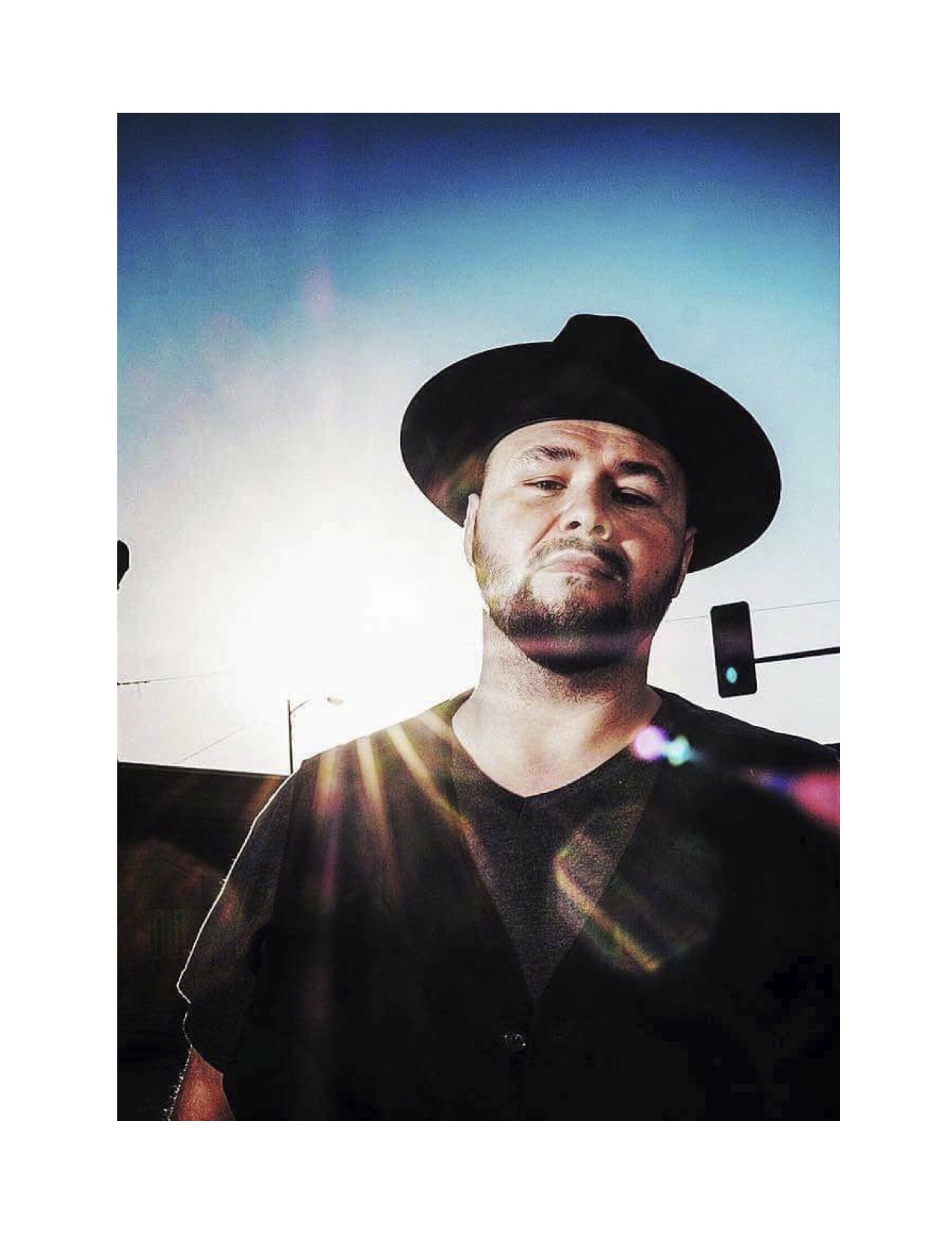
He entered “uncharted waters” by hiring L.A.-based radio promoter-record publicist Frank Roszak to get Roll the Dice heard.
“I knew that was the right move to make,” Anchondo said. “I knew I had to strike while the iron was still hot. It was a complete success. I finally had an album being played all over the world. We got some serious exposure out of that. It was a dream come true and something I’d been working for my entire career.”
Meanwhile. he’s trying to enrichen the area blues scene with the In the Market fest – now in year four.
“Every year it’s grown and this year is going to kick a lot of ass,” he said. “All the bands are outstanding.”
He credits E3 Entertainment and the Blues Society for “doing the majority of the work to make the festival happen.”
He said the Blues Society and its BluesEd program “have really grown the Omaha music scene.” His drummer, Khaugman Winfield, is a BluesEd alum.
Anchondo appreciates the Blues Society coming to his aid last spring following emergency surgery.
“It was absolutely wonderful of them. So many people rallied together and helped out. My mind is still blown by all the love and support.”
He’s performing again in Omaha at Baxter Arena September 14 and The Waiting Room November 21.
“I anticipate continuing to be based out of Omaha and keep going with business as usual. Omaha has been such a great and wonderful springboard for my music career.”
He’s been down this road too long to know that “making it” doesn’t ever mean being home free.
“There’s still lots of struggles and sacrificing, but I have a very full life with my family and getting to play music professionally. It’s my full-time job. I couldn’t ask for anything more.”
Except maybe time.
“I’m trying to set this next album up to where I have a lot more time to perfect certain things and to invest more in my guitar and my vocals.”
Follow at hectoranchondo.com.
Visit http://www.InTheMarketForBlues.com.
Read more of Leo Adam Biga’s work at leoadambiga.com.
Life Itself XIII: Music stories through the years
Life Itself XIII:
Music stories through the years
Omaha blues man Hector Anchondo riding high
https://leoadambiga.com/2018/08/01/omaha-blues-man-…ondo-riding-high/
Paul Serrato finds balance as musician and educator
https://leoadambiga.com/2018/06/01/paul-serrato-fin…an-and-educator
Stage-screen star Vanessa Williams in concert with the Omaha Symphony
https://leoadambiga.com/2018/04/24/stage-screen-sta…e-omaha-symphony
Roni Shelley Perez staking her claim as Nebraska’s next “Broadway baby”
https://leoadambiga.com/2018/02/01/roni-shelley-per…xt-broadway-baby

Glen Campbell’s sweet goodbye
https://leoadambiga.com/2017/02/06/glen-campbells-sweet-goodbye
Camille Metoyer Moten: With a song in her heart
https://leoadambiga.com/2016/12/26/camille-metoyer-…ong-in-her-heart/
Creative to the core:
John Hargiss and his handmade world
https://leoadambiga.com/2016/06/30/creative-to-the-…s-handmade-world/
Entrepreneur and craftsman John Hargiss invests in North Omaha: Stringed instrument maker envisions ambitious plans for his new Hargissville digs
https://leoadambiga.com/2012/12/26/entrepreneur-and…argissville-digs

A MOTHER’S DAY TRIBUTE Mother-Daughter Music Legacy and Inheritance: Jeanne and Carol Rogers
https://leoadambiga.com/2016/05/08/a-mother-daughte…and-carol-rogers
Music-Culture Mixologist Brent Crampton: Rhythmic anthropology and pure love of human bodies moving
https://leoadambiga.com/2015/07/04/brent-cramptons-…an-bodies-moving
Stephanie Kurtzuba: From bowling alley to Broadway and back
https://leoadambiga.com/2016/08/27/stephanie-kurtzu…roadway-and-back
Making the cut:
Music video editor Taylor Tracy
https://leoadambiga.com/2015/05/08/making-the-cut-m…tor-taylor-tracy
Paul Williams: Alive and well, sober and serene, making memorable music again
https://leoadambiga.com/2015/05/01/paul-williams-al…usic-again-at-74

Charles Ahovissi brings West African culture to the Heartland: African Culture Connection uses dance, music to tell indigenous yet universal stories
https://leoadambiga.com/2014/12/12/charles-ahovissi…niversal-stories/
Rock photographer Janette Beckman keeps it real: Her hip-hop and biker images showing at Carver Bank as part of Bemis residency
https://leoadambiga.com/2014/09/19/rock-photographe…-bemis-residency
Goin’ down the Lincoln Highway with Omaha music guru Nils Anders Erickson
https://leoadambiga.com/2013/10/01/goin-down-the-li…-anders-erickson
Omaha Songstress Mary Carrick Takes Flight in New CD
https://leoadambiga.com/2014/07/14/omaha-songstress…flight-in-new-cd/
Omaha performer Brenda Allen recalls her friendship with Johnny Cash: “Ring of Fir”e pays tribute to iconic singer-songwriter
https://leoadambiga.com/2014/08/08/omaha-performer-…inger-songwriter/
Brenda Allen’s real life country music drama took her from Nebraska to Vietnam to Vegas
https://leoadambiga.com/2013/06/01/brenda-allens-re…vietnam-to-vegas
Life comes full circle for singer Carol Rogers
https://leoadambiga.com/2015/08/28/life-comes-full-…ger-carol-rogers
Sisters of song: Kathy Tyree connects with Ella Fitzgerald; Omaha singer feels kinship to her stage alter ego
https://leoadambiga.com/2014/03/12/sisters-of-song-…-stage-alter-ego/
Tiffany White-Welchen delivers memorable performance in “Lady Day”
https://leoadambiga.com/2015/10/14/tiffany-white-we…s-left-oct-23-24
Faith, Friends and Facebook: The Healing Journey of Camille Metoyer Moten
https://leoadambiga.com/2014/12/13/when-cancer-stru…aith-on-facebook
Camille Metoyer Moten: A singer for all seasons
https://leoadambiga.com/2011/06/22/camille-metoyer-…-for-all-seasons
Omaha’s black sirens of song and spoken word
https://leoadambiga.com/2016/02/15/omahas-black-sir…-and-spoken-word/
Omaha theater gypsy Gordon Cantiello back with new show
https://leoadambiga.com/2013/08/09/omaha-theater-gy…ck-with-new-show

Jocelyn and Deven Muhammad: Creative Siblings Move Past Labels to Make Their Marks
https://leoadambiga.com/2015/09/15/jocelyn-and-deve…make-their-marks
Passion Power: Dominique Morgan’s voice will not be stilled
https://leoadambiga.com/2015/04/07/passion-power-do…l-not-be-stilled
After decades in NYC, Omaha native jazz pianist Paul Serrato proves you can come home again
https://leoadambiga.com/2013/06/06/jazz-pianist-pau…in-new-york-city


Opera Omaha re-imagines the gala with “A Flowering Tree”
https://leoadambiga.com/2015/03/24/opera-omaha-re-i…a-flowering-tree
Breaking the mold:
Opera Omaha re-imagines the gala
https://leoadambiga.com/2014/12/11/breaking-the-mol…gines-the-gala-2/
BRAVO! Sing for the Cure
https://leoadambiga.com/2016/05/22/14215
Jazz-Plena fusion artist Miguel Zenon bridges worlds of music
https://leoadambiga.com/2012/07/21/jazz-plena-fusio…-worlds-of-music

Identical twin horn players set to lead Omaha jazz revival
https://leoadambiga.com/2018/03/27/identical-twin-h…aha-jazz-revival
Potash Twins making waves in jazz: Teen brothers count jazz greats as mentors
https://leoadambiga.com/2013/06/05/potash-twins-mak…reats-as-mentors
Indigenous music celebrated in Omaha Conservatory of Music Nebraska Roots concert
https://leoadambiga.com/2012/03/25/indigenous-music…ka-roots-concert/
Omaha’s KVNO 90.7 FM turns 40: Commercial-free public radio station serves the community all classical music and local news
https://leoadambiga.com/2012/02/11/omahas-kvno-90-7…ent-set-it-apart

Artists running with opportunity to go to the next level; Carver Bank resident artists bring new life to area
https://leoadambiga.com/2013/05/20/artists-running-…new-life-to-area
Shirley Jones Interview: Classic Hollywood star to appear at Omaha screening of “Carousel”
https://leoadambiga.com/2013/05/01/shirley-jones-in…ning-of-carousel
Hollywood legend Debbie Reynolds and classic film “Singin’ in the Rain” to be saluted
https://leoadambiga.com/2010/10/31/hollywood-legend…d-at-nov-5-event
Jill Scott Interview
https://leoadambiga.com/2012/08/08/interview-with-jill-scott

Life is a Cabaret, the Anne Marie Kenny Story: From Omaha to Paris to Prague and Back to Omaha, with Love
https://leoadambiga.com/2011/05/28/life-is-a-cabare…-omaha-with-love
From Omaha to Paris to Omaha, with Love, Anne-Marie Kenny’s Journey in Song and Spirit
https://leoadambiga.com/2012/06/21/from-omaha-to-pa…-song-and-spirit
A queen gets his day in the sun: Music director Jim Boggess let’s it all out in “Jurassic Queen” cabaret
https://leoadambiga.com/2012/01/04/a-queen-gets-his…ic-queen-cabaret
Martinez Music Legacy: 311’s SA Martinez takes music tradition laid down by father and grandfather in new direction
https://leoadambiga.com/2011/12/19/a-martinez-music…-a-new-direction
Tito Munoz: Rising young conductor leads Omaha Symphony Chamber concert
https://leoadambiga.com/2012/07/22/rising-young-con…-chamber-concert
Peter Buffett completes circle of life furthering Kent Bellows legacy
https://leoadambiga.com/2012/07/21/peter-buffett-co…-of-kent-bellows
Heart Strings: World-renowned cellist Alisa Weilerstein refuses to let chronic illness slow her down and she encourages others to pursue their dreams, too
https://leoadambiga.com/2012/02/19/heart-strings-wo…their-dreams-too

Miss Leola Says Goodbye
https://leoadambiga.com/2011/09/01/miss-leola-says-goodbye/
Leola keeps the faith at her North Side music shop
https://leoadambiga.com/2011/09/02/leola-keeps-the-…-side-music-shop
Laura Love: Omaha’s High Yaller Gal Comes Home
https://leoadambiga.com/2013/04/27/laura-love-omaha…r-gal-comes-home/
Hard Times Ring Sweet in the Soulful Words of Singer-Songwriter-Author Laura Love, Daughter of the Late Jazz Man, Preston Love Sr.
https://leoadambiga.com/2010/05/01/hard-times-ring-…uthor-laura-love

Omaha Symphony Maestro Thomas Wilkins and His Ever-Seeking Musical Journey
https://leoadambiga.com/2011/01/12/omaha-symphony-m…-musical-journey
House of Loom weaves a new cultural-social dynamic for Omaha
https://leoadambiga.com/2012/02/02/house-of-loom-we…ynamic-for-omaha/
The Sweet Sounds of Sacred Heart’s Freedom Choir
https://leoadambiga.com/2015/03/10/the-sweet-sounds…ts-freedom-choir/
Blizzard Voices:
Stories from the Great White Shroud
https://leoadambiga.com/2011/12/24/blizzard-voices-…eat-white-shroud

Bobby Bridger: Singing America’s Heart Song
https://leoadambiga.com/2011/12/09/bobby-bridger-si…ricas-heart-song/
Bobby Bridger’s Rendezvous
https://leoadambiga.com/2010/05/11/bobby-bridgers-rendezvous
Open Minds: “Portals” explores human longing in the digital age
https://leoadambiga.com/2011/04/15/open-minds-porta…-the-digital-age
“Portals” opens new dimensions in performance art – Multimedia concert comes home for Midwest premiere
https://leoadambiga.com/2011/10/06/portals-opens-ne…midwest-premiere
More than Buddy: Billy McGuigan expands on Buddy Holly shtick to collaborate with his brothers and band in Beatles tribute
https://leoadambiga.com/2011/03/06/more-than-buddy-…les-tribute-show

Tyler Owen: Man of MAHA
https://leoadambiga.com/2011/03/20/tyler-owen-man-of-maha
Quiana Smith’s dream time takes her to regional, off-Broadway and Great White Way theater success
https://leoadambiga.com/2011/01/23/quiana-smiths-dream-time-2
Quiana Smith’s Dream Time
https://leoadambiga.com/2010/08/22/quiana-smiths-dream-time
 |
Hadley Heavin’s Idiosyncratic Journey as a Real Rootin-Tootin, Classical Guitar Playing Cowboy
https://leoadambiga.com/2010/05/01/a-real-rootin-to…r-playing-cowboy
From the Archives: Hadley Heavin sees no incongruity in being rodeo cowboy, concert classical guitarist, music educator and Vietnam combat vet
https://leoadambiga.com/2011/10/17/from-the-archive…etnam-combat-vet/

Luigi’s Legacy:
Omaha jazz artist Luigi Waites fondly remembered
https://leoadambiga.com/2011/07/18/luigis-legacy-th…ondly-remembered
Get Crackin’
https://leoadambiga.com/2011/06/21/get-crackin/
Arno Lucas, Serious Sidekick
https://leoadambiga.com/2011/06/21/arno-lucas-serious-sidekick/
Big Bad Buddy Miles
https://leoadambiga.com/2011/06/21/big-bad-buddy-miles
Enchantress “LadyMac” Gets Down
https://leoadambiga.com/2011/06/21/enchantress-ladymac-gets-down

Rich music history long untold revealed and celebrated by Omaha Black Music Hall of Fame
https://leoadambiga.com/2011/07/02/a-rich-music-his…sic-hall-of-fame
Black Women in Music
https://leoadambiga.com/2010/07/11/black-women-in-music/
“Walking Behind to Freedom” – A musical theater examination of race
https://leoadambiga.com/2011/06/21/walking-behind-t…mination-of-race/
Tiempo Libre kicks off Jazz on the Green at Midtown Crossing in Omaha
https://leoadambiga.com/2011/07/04/tiempo-libre-kic…rossing-in-omaha
Home Girl Karrin Allyson Gets Her Jazz Thing On
https://leoadambiga.com/2011/06/22/home-girl-karrin…er-jazz-thing-on

Song girl Ann Ronell
https://leoadambiga.com/2011/08/19/song-girl-ann-ronell/
Kevyn Morrow’s homecoming
https://leoadambiga.com/2011/06/14/kevyn-morrows-homecoming
Frederick Brown’s journey through art: Passage across form and passing on legacy
https://leoadambiga.com/2011/06/22/frederick-browns…ing-on-of-legacy
Marcia Hinkle and Bill Sprague are the Omaha Symphony Orchestra’s Golden Anniversary Players
https://leoadambiga.com/2010/08/03/marcia-hinkle-an…iversary-players
Playing to the beat of a distant violin
https://leoadambiga.com/2010/07/06/playing-to-the-b…istant-violinist
A Woman Under the Influence:
Robinlyn Sayers as Hattie McDaniel
https://leoadambiga.com/2010/07/05/a-woman-under-the-influence/
Cool Cat Billy Melton and the Sportin’ Life
https://leoadambiga.com/2010/07/01/sportin-life/
Salem’s Voices of Victory Gospel Choir Gets Justified with the Lord
https://leoadambiga.com/2010/06/07/salems-voices-of…ed-with-the-lord

Radio One queen Cathy Hughes rules by keeping it real: Native Omahan created Urban Radio format
https://leoadambiga.com/2010/04/29/radio-one-queen-…-keeping-it-real/
Now Wasn’t That a Time? Helen Jones Woods and the International Sweethearts of Rhythm
https://leoadambiga.com/2010/04/29/17
Omaha Music Legend Preston Love
Preston Love: A Tribute to Omaha’s Late Hepcat King
https://leoadambiga.com/2016/05/05/preston-love-a-t…late-hepcat-king
The Smooth Jazz Stylings of Mr. Saturday Night, Preston Love Sr.
https://leoadambiga.com/2010/06/03/mr-saturday-night
RIP Preston Love Sr., 1921-2004, He Played at Everything
https://leoadambiga.com/2010/06/03/preston-love-192…ed-at-everything
Preston Love: His voice will not be stilled
https://leoadambiga.com/2010/06/03/preston-love-his…l-not-be-stilled/
“Omaha Blues” and “Preston Love’s Omaha Bar-B-Q’”: Two scorching instrumental blues journeys by Omaha music legend Preston Love
https://leoadambiga.com/2010/06/03/omaha-blues-and-…end-preston-love


War and peace: Bosnian refugees purge war’s horrors in song and dance that make plea for harmony
https://leoadambiga.com/2011/08/18/war-and-peace
From the Archives: Opera comes alive behind the scenes at Opera Omaha staging of Donizetti’s “Maria Padilla” starring Renee Fleming
https://leoadambiga.com/2011/09/26/from-the-archive…ing-rene-fleming

100 cool things that have made Omaha a better place to live in

100 cool things that have made Omaha a better place to live in
Old Market
North Downtown redevelopment
Riverfront revitalization
Downtown Convention Center and Arena
Improved Omaha concert scene
Omaha hosting NCAA basketball regionals and U.S. Swim Trials
Creighton basketball becoming a major thing
Omaha Lancers turning into hot ticket attraction
Omaha Mavericks hockey
Omaha becoming Kansas City Royals’ Triple A club
Henry Doorly Zoo growth
Omaha Outdoor Recreational additions

South 24th Street Business District revitalization
Razing stockyards-Big Four packinghouses and redeveloping properties
Improved fine dining, ethnic eatery and street food scene
Saving Union Station and creating Durham Museum
Omaha Botanical Center
10th Street Corridor
Saving, restoring, expanding the Orpheum Theater
Omaha hosting touring Broadway shows

Holland Performing Arts Center
Joslyn Art Museum addition
Tri-Faith Initiative
UNO expansion
Metro Community College expansion
Creighton University expansion
UNMC expansion
Midtown Crossing

Aksarben Village
Film Streams
The Slowdown
The Waiting Room
Sokol Auditorium as rock and arts space
Saddle Creek Records
Institute for the Culinary Arts
Bemis Center

Philanthropic Community
Sherwood Foundation
Omaha Community Foundation
Kiewit Foundation
Holland Foundation
Nebraska Arts Council
Nebraska Humanities
KVNO
KIOS
Berkshire Hathaway Shareholders Convention
College World Series growth

UNO Center for Afghanistan Studies
Omaha Community Playhouse renovation-addition
Opera Omaha growth
Omaha Symphony growth
Omaha Children’s Museum
Great Plains Black History Museum
El Museo Latino
Omaha Theatre Company for Young People growth
Saving what’s now called The Rose Theatre

Mutual of Omaha branding
Omaha Steaks branding
Empowerment Network
Great Plains Theatre Conference
Blackstone District revival
Benson Business District revival
Blackstone District revival
Vinton Street Business District revival
Park Avenue redevelopment
Makerhood District
First National Bank Tower
Metro Fort Omaha Campus growth
Highlander Village

Native Omaha Days
La Festa Italiana
Omaha Summer Arts Festival
Omaha Farmers Market
Florence Mill
Taste of Omaha
Jazz on the Green
Memorial Park Concert
Shakespeare on the Green
Cathedral Arts Project
Cathedral Flower Festival

Omaha Fashion Week
Big Omaha
Omaha Film Festival
Blue Barn Theatre
Homer’s Music
Joslyn Castle Trust
Omaha Writers Collective
Omaha Creative Institute
Omaha Conservatory of Music
WHY? Arts
MAHA Music Festival

UNO Department of Black Studies
Blue Barn Theatre
The Kaneko
South Omaha Museum
Omaha Design Center
Omaha Community Engagement Center
The Reader
Omaha Magazine
1516 Gallery
Baxter Arena
Plus:
Alexander Payne making movies-bringing stars here
Terence Crawford fighting world championships here
Warren Buffett bringing Bill Gates, Bono and the world here
Conor Oberst putting Omaha on the music map
.jpg)
More cool places and things that sprang up in the same period but that are now defunct
Stone Soul Picnic
KOWH
Omaha Lit Fest
Ranch Bowl as rock venue
Riverfront Jazz and Blues Festival
Rosenblatt Stadium renovationa-expansiona
Center Stage Theatre
John Beasley Theatre
Firehouse Dinner Theatrer
New Cinema Cooperative
Kansas City-Omaha Kings
North Omaha Summer Arts (NOSA) presents: An Arts Crawl 7
North Omaha Summer Arts (NOSA) presents:
An Arts Crawl 7
Friday, August 10
6 to 9 p.m.
Join us for the 7th Arts Crawl
Take a stroll or drive from Metropolitan Community College Fort Omaha campus down North 30th Street, ending at Trinity Lutheran Church, to experience beautiful art and great food by North O visual, performing and culinary artists.
A free event.
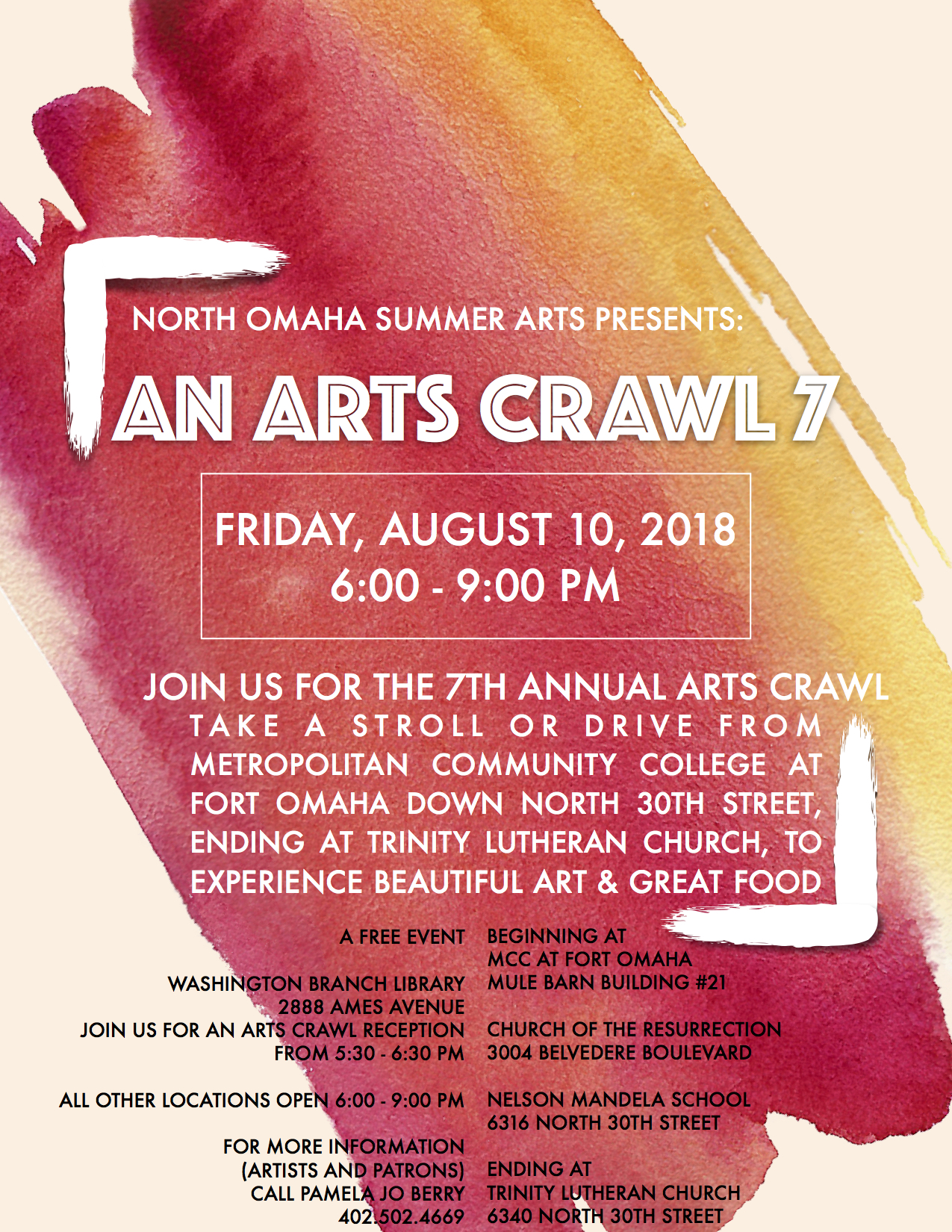
An Arts Crawl reception kicks things off at the
Washington Branch Library, 2888 Ames Avenue, from 5:30 to 6:30 p.m.
All other locations open 6 to 9 p.m.
Arts Crawl route Begins at–
MCC at Fort Omaha
Mule Barn (Building #21)
Church of the Resurrection
3004 Belvedere Blvd. (just northwest of 30th and Kansas)
Nelson Mandela School
6316 North 30th Street
Ends at–
Trinity Lutheran Church
6340 North 30th Street
For more info (artists and patrons), call Pamela Jo Berry at 402-445-4666
Omaha’s Love Family hosts celebration and street naming for Preston Love Sr.
Omaha’s Love Family hosts celebration and street naming for Preston Love Sr.
Friday, July 13
6 p.m.
24th and Lake
Preston Love Sr. Street
Speakers to include John Beasley and Curly Martin sharing stories about the late jazz musician, composer, arranger, band leader, educator, commentator and author. Preston Love Sr. was a charter member of the Omaha Black Music Hall of Fame, the namesake of Loves Jazz & Arts Center and the author of the critically acclaimed memoir “A Thousand Honey Creeks Later.”
Musical tribute concert immediately following at Loves Jazz & Arts Center by some of Omaha’s finest artists. Featuring songs performed and loved by Preston Love.
$7 donation
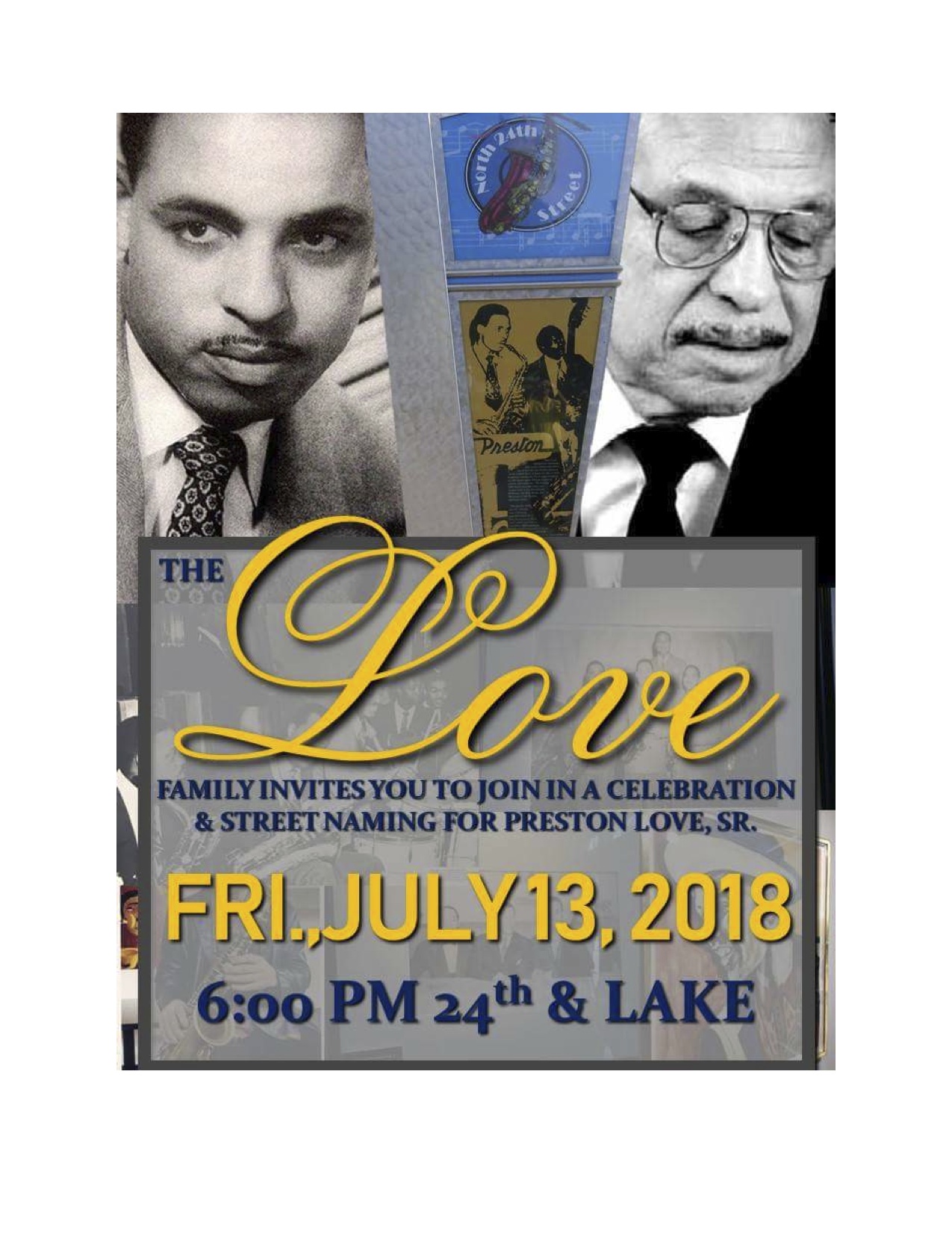
ON A PERSONAL NOTE:
When I began writing about North Omaha’s African-American community 20 years ago or so, Preston Love Sr. was one of the first persons I reached out to. He became a source for the and the subject of many of those early stories. He was a wise and loquacious sage with a real sense of history about his music, his people and his community.
The first article I got published in a national magazine was about Preston.
A good share of my work about him appeared around the time of the release of his long-in-the-making and highly regarded memoir, “A Thousand Honey Creeks Later.”
Upon his death, I was asked to write an in memoriam piece for The Reader.
A few years ago, I wrote a new piece compiled from my many stories about him, and read it at Loves Jazz before a packed house.
I have also written some about his son Preston Love Jr. and his daughters Portia Love and Laura Love.
Whether you knew the man and his legacy or not, here is a list of articles I featured him in that hopefully provide a fair representation of the man and the artist:
https://leoadambiga.com/2016/05/05/preston-love-a-t…late-hepcat-king/
https://leoadambiga.com/2010/06/03/preston-love-192…ed-at-everything
https://leoadambiga.com/2010/06/03/omaha-blues-and-…end-preston-love
https://leoadambiga.com/2010/06/03/preston-love-his…l-not-be-stilled
https://leoadambiga.com/2010/06/03/mr-saturday-night
There are several more stories in which I quoted him about everything from Native Omaha Days to soul food or referenced him in relationship to North Omaha’s live music scene and the area’s attempted revitalization.
If the play’s the thing, then what about gender?
If the play’s the thing, then what about gender?
©by Leo Adam Biga
Appearing in the July 2018 issue of The Reader (www.thereader.com)
Theater offers windows on the world, yet only a fraction of plays produced anywhere are written by women. This arts parity issue has urgency with national initiatives extending to Omaha, where theater artists variously discuss the problem and implement remedies.
“The initiatives have been around for about a decade now,” said Creighton University theater professor Amy Lane. “The most well-known, 50/50 by 2020, started in response to a study that revealed women’s voices grossly underrepresented in theaters.”
In 2006, 17 percent of plays professionally produced nationwide (12 percent on Broadway) were written by women. “Surprising,” Lane said, given that “60 percent of the theater audience is women.”
She wonders if “there will be true gender equity by 2020” and what “progress” has been made thus far.
UNO theater professor Cindy Melby Phaneuf echoes many when she says, “My opinion is we are moving in the right direction, but still have a long way to go.” She heads the National Theatre Conference, whose Women Playwright Initiative has produced 500 plays by women since 2011 and expects to reach 1,000 by 2020. “I am encouraged by the energy and interest in gender parity, but am most interested in taking action.”

“I support these initiatives and applaud the theaters implementing them,” said Omaha playwright Ellen Struve.
Struve’s had plays mounted at the Omaha Community Playhouse (OCP) and Shelterbelt Theatre and across the nation.
“When I began writing plays, I didn’t know many other women getting produced on a regular basis. This past year I was able to invite more than a dozen Omaha-based women playwrights to participate in the 365 Women A Year project. It was so exhilarating to look at that list of writers. Even better was to see a few of the plays fully-produced by Denise Chapman at the Union for Contemporary Art.”

2017 panels hosted by the Blue Barn Theater and the University of Nebraska at Omaha dialogued about the social-economic context behind exclusion and why plays written by women would enrich any season.
“Panels are great for raising awareness. Representation matters: for women and female-identifying playwrights, directors, actors, designers, crews, administrators. Discussions are fine, but action is what is needed,” said Lane.
She created the 21 & Over series at OCP “to introduce Omaha to new works and new voices.” 21 & Over seasons were 50/50 by 2020 compliant, she said..
OCP’s ongoing Alternative Programming series continues to be diverse.
Creighton and UNO are devoting their respective theater departments’ entire 2018-2019 performance seasons to works by women playwrights.
Lane said Creighton’s “made a commitment to continue with the 50/50 by 2020 Movement” beyond this season.
Phaneuf and colleagues want to move things forward.
“UNO and Creighton have agreed to shine a light on what our greater Omaha community is doing already and look to the future to provide more opportunities to revel in women’s voices. The goal is gender parity on a permanent basis as an ordinary way of programming our seasons representing diverse voices. With parity also comes a desire to produce plays by writers of color. We are constantly on the lookout for plays that represent a variety of cultures and heritages.”
Outside the academic setting, Omaha presents a mixed bag in theater gender parity.
Phaneuf said despite some gains, many Omaha theaters present seasons with only one or two works by women. Sometimes, none.
“Those making artistic decisions at Omaha theaters either care about this issue or they don’t. If they care, then it is not a difficult task to make sure a theater’s season includes works by women,” Lane said. “There are plenty of terrific plays out there and plenty of resources to find them. If this is not an issue that matters to them, then they shouldn’t be surprised if they get called out. I think more of us who do care should speak out more when we see gender parity ignored.”
OCP artistic director Kimberly Hickman said “more opportunities for female artists is among her programming guidelines.” This past season several OCP playwrights and composers identified as women as did all its guest directors and many designers.
“Those priorities remain in place for 2018-2019.”
“Parity in theater is a complex issue that can’t be simplified to only gender,” Hickman said.
A session on female leadership she attended at a recent conference for regional theaters brought this home.

Photo by Colin Conces
“While the room of women had many things in common, our experiences were very different due to ethnicity, sexuality, economic status, academic background, location. All these factors need to be taken into consideration. I believe the best way to make progress is to look at who is at the table making decisions. If the people all look the same, that is a problem and steps need to be taken to evolve. I also think accountability is important. I have intentionally surrounded myself with people I know will hold me accountable.”
The Shelterbelt has a demonstrated “strong commitment to gender parity, not only for playwrights, but for all production positions,” said executive director Roxanne Wach. “We do try to include at least 50 percent women playwrights in a season, while still creating a balance in storytelling and genres. It’s a conscious choice by our reading committee and a shared vision of our board.
“I personally feel if we don’t start with parity in the small theaters, it will never happen in larger theaters.”
Shelterbelt’s won recognition from the International Centre for Women Playwrights for reaching equity goals.
“To look just at playwrights is only scratching the surface,” Wach adds. “We’ve got to start valuing the work women bring to all areas of theater production and the great value in having different points of view.”
Omaha’s largest footprint on the national theater scene, the Great Plains Theatre Conference (GPTC), uses a 100 percent blind reading process selecting plays.
“We are one of the few major development programs that do this,” producing artistic director Kevin Lawler said. “We have had many long debates about whether we should change to have predetermined selection percentages to include gender, race, identity, but the overwhelming consensus by our staff and those who attend the conference is to keep the selections blind.
“Even with a blind selection we have always been close to parity. This year was a clean 50-50 split. Our women playwrights often appear on the Kilroys List (of most recommended unproduced or underproduced plays).”
UNO’s new Connections series is being curated from GPTC works by underrepresented playwrights.
GPTC playwright Sara Farrington terms parity “a triggery question” and initiatives to date “a baby step.”
“Many people simply don’t and won’t trust plays by women. It is astonishing people still assume women can or will only write about being imprisoned by their bodies or men. That idea has been beaten into a mass theater-going audience by over-produced, overrated, wildly misogynistic male playwrights and producers and by artistic directors financing and programming plays with reductive and fearful depictions of female characters.
“Women playwrights have a deep, refined, 200-proof rage. Rage makes for badass and innovative storytelling. Women playwrights tell stories backwards, sideways, in a spiral, upside down, from angles you’d never expect. They are utterly complex, psychologically profound and contemporary.”
Fellow GPTC playwright Shayne Kennedy, a Creighton grad, calls for systemic change.
“I believe men and women tell stories differently and because the creative industries have long been dominated by male voices, we as a culture have become conditioned to hear in those voices. I think to correct the imbalance we are going to need some risk-takers, visionaries and deliberately opened minds.”
Read more of Leo Adam Biga’s work at leoadambiga.com.
Link to the 2018-2019 UNO theater season at:
http://www.unomaha.edu/college-of-communication-fine-arts-and-media/theatre/index.php
Select UNO Theater 2018-2019 season:
TARTUFFE (Studio)
by Molière, adapted by Constance Congdon from a literal prose translation by Virginia Scott
Director Jackson Newman
August 23-25
THE CLEARING
by Helen Edmundson
Director Lara Marsh
September 26-29, October 3-6
SECRET GARDEN
Book & Lyrics by Marsha Norman, Music by Lucy Simon
Director D. Scott Glasser, Musical Director Shelby VanNordstand
October 31-November 3, 7-10, 14-18
CONNECTIONS
Director Dr. Ron Zank
February 20-23, 27- March 2
MR. BURNS, A POST-ELECTRIC PLAY
by Anne Washburn
Director: Jeremy Stoll
March 14-17, 2019
THE WOLVES
by Sarah DeLappe
Director Dr. Cindy Melby Phaneuf
April 10-13, 17-20, 2019
___________________________
Link to the 2018-2019 Creighton theater season at:
https://www.creighton.edu/ccas/fineandperformingarts/boxoffice/
Select Creighton Theater 2018-2019 season:
HANDLED
Written by Shayne Kennedy
World premiere play/Mainstage Theater
October 31 – November 4, 2018
KINDERTRANSPORT
Written by Diane Samuels
Play/Studio Theater
February 13 -17, 2019
LEGALLY BLONDE THE MUSICAL
Book by Heather Hach; Music and Lyrics by Laurence O’Keefe and Nell Benajmin
Musical/Mainstage Theater
March 27-31, 2019


 Leo Adam Biga's My Inside Stories